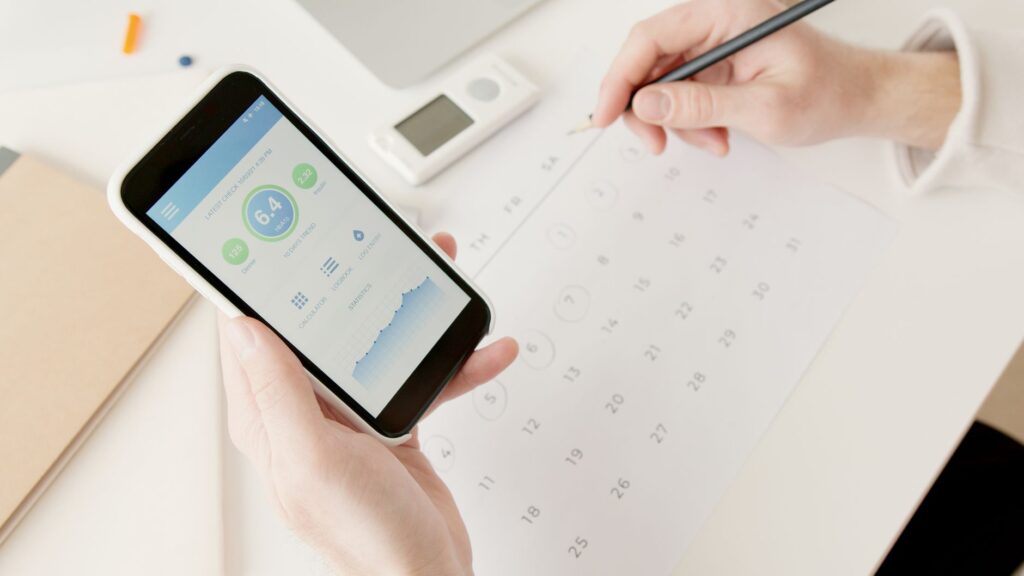

Major technology corporations including Apple, Google, and Samsung have transformed the modern smartphone into a comprehensive personal health dashboard, allowing users to monitor vitals, track nutrition, and store emergency medical records directly on their devices. This shift, which has gained significant momentum throughout 2024, enables individuals to consolidate fragmented health data into centralized digital hubs, fundamentally changing how patients interact with their own medical history.
The Evolution of Mobile Health Integration
For years, health tracking was confined to third-party applications that often lacked interoperability. Recent updates to operating systems like iOS and Android have integrated health tracking natively, allowing the hardware—such as built-in accelerometers, heart rate sensors, and advanced gyroscopes—to feed data directly into centralized platforms like Apple Health and Google Health Connect.
These platforms now serve as digital repositories for everything from step counts and sleep cycles to blood oxygen levels and medication reminders. By eliminating the need for siloed apps, these companies have lowered the barrier to entry for health monitoring, making it accessible to a broader demographic.
Data Consolidation and Emergency Preparedness
The core utility of these dashboards extends beyond daily tracking. Both Apple and Google have prioritized emergency features, allowing users to store critical medical IDs—including blood type, allergies, and emergency contacts—that can be accessed by first responders from the lock screen without requiring a passcode.
This feature addresses a long-standing gap in emergency medicine where a patient’s inability to communicate their medical history could delay life-saving treatment. According to industry data, the integration of these records into the phone’s firmware has significantly increased the adoption rate of digital medical identification among smartphone users.
Expert Perspectives on Data Privacy and Utility
Dr. Elena Rossi, a digital health consultant, notes that while the convenience is unprecedented, users must remain cognizant of data security. “While these tools provide invaluable real-time insights, the aggregation of sensitive biometric data necessitates robust encryption and user-controlled privacy settings,” Rossi states.
Industry reports indicate that privacy-focused features, such as on-device processing where data does not leave the phone, have become a primary selling point for consumers. Despite these concerns, the trend toward data-driven personal health management continues to accelerate as wearable technology—such as smartwatches and rings—becomes increasingly tethered to these smartphone dashboards.
Future Implications for the Healthcare Industry
The widespread adoption of these tools suggests that the future of healthcare will be increasingly decentralized and patient-led. As these platforms continue to incorporate AI-driven analytics, users may soon receive proactive alerts about potential health anomalies before they manifest as acute symptoms, potentially shifting the focus of medicine from reactive treatment to preventative monitoring.
Market analysts suggest that the next phase of development will focus on seamless data sharing between these personal dashboards and official electronic health records (EHR) used by hospitals. As this interoperability matures, patients may eventually be able to securely share their real-world data with physicians, providing doctors with a longitudinal view of a patient’s health rather than a single point-in-time snapshot.