
As Boston prepares to host a high-stakes FIFA World Cup 2026 quarterfinal match between France and Morocco, the city is bracing for an influx of thousands of international visitors seeking both iconic New England staples and diverse global flavors. With the match scheduled to draw global attention to the historic Gillette Stadium and the surrounding metropolitan area, local restaurateurs are readying their kitchens to bridge the gap between traditional Bostonian heritage and the sophisticated palates of arriving football fans.
The Evolution of Boston’s Dining Landscape
Boston has long been defined by its maritime culinary identity, anchored by the iconic lobster roll and clam chowder. However, the city’s gastronomic scene has undergone a significant transformation over the last decade, with neighborhoods like East Boston and Dorchester emerging as hubs for authentic international cuisine.
The upcoming tournament serves as a catalyst for this shift, as businesses move beyond the tourist-heavy paths of Faneuil Hall. According to recent data from the Greater Boston Convention & Visitors Bureau, the city’s dining sector has seen a 15% increase in international-focused establishments since 2022, reflecting a broader demographic change in the region.
Balancing Tradition with Global Flair
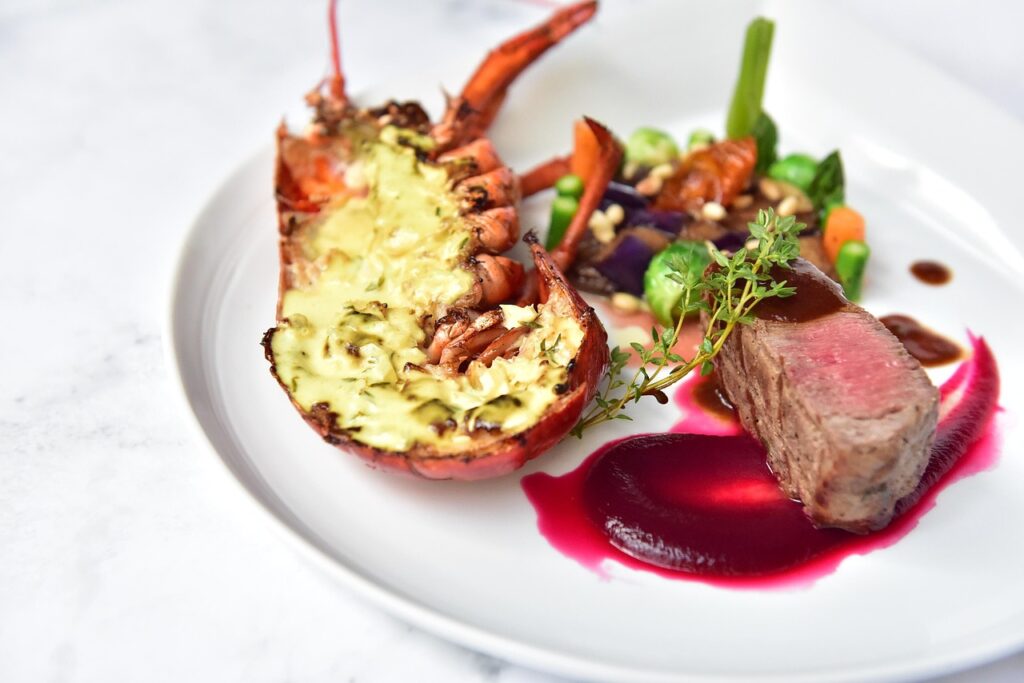
For visitors looking to experience the quintessential Boston flavor profile, the Seaport District remains a primary destination. These venues offer fresh, locally sourced seafood that has become synonymous with the city’s identity.
Conversely, the match between France and Morocco has sparked a renewed interest in the city’s fusion offerings. Industry experts note that restaurants in the South End are already adjusting their menus to accommodate the expected surge in demand for Mediterranean-inspired dishes, effectively catering to the diverse fan base traveling for the quarterfinal.
Expert Insights on Economic Impact
Economists tracking the World Cup’s impact on host cities suggest that the hospitality sector will be the primary beneficiary of the event. Dr. Elena Rossi, a hospitality analyst, notes that the influx of international tourists typically results in a 20-30% increase in dining revenue during major tournament weeks.
“The challenge for local venues is not just capacity, but cultural accessibility,” Dr. Rossi explains. “Successful restaurants are those that maintain their local character while providing a welcoming environment for visitors who may be accustomed to different dining customs and service paces.”
Implications for the Local Industry
For the average reader or local business owner, the World Cup represents a trial by fire for Boston’s infrastructure. The pressure to serve large crowds efficiently while maintaining the quality that defines the city’s reputation will likely necessitate new staffing strategies and reservation systems.
Looking ahead, the long-term implication is a potential permanent shift in the city’s culinary reputation. If local businesses can successfully translate the energy of the World Cup into sustained patronage, Boston may solidify its position as a global food destination rather than just a historic tourist stop.
Observers should watch for how neighborhood-based establishments leverage digital reservation platforms to manage the massive influx of foot traffic. Furthermore, the city’s ability to integrate reliable transit options between these diverse dining hubs and the stadium will be the ultimate test of its readiness for future international events.