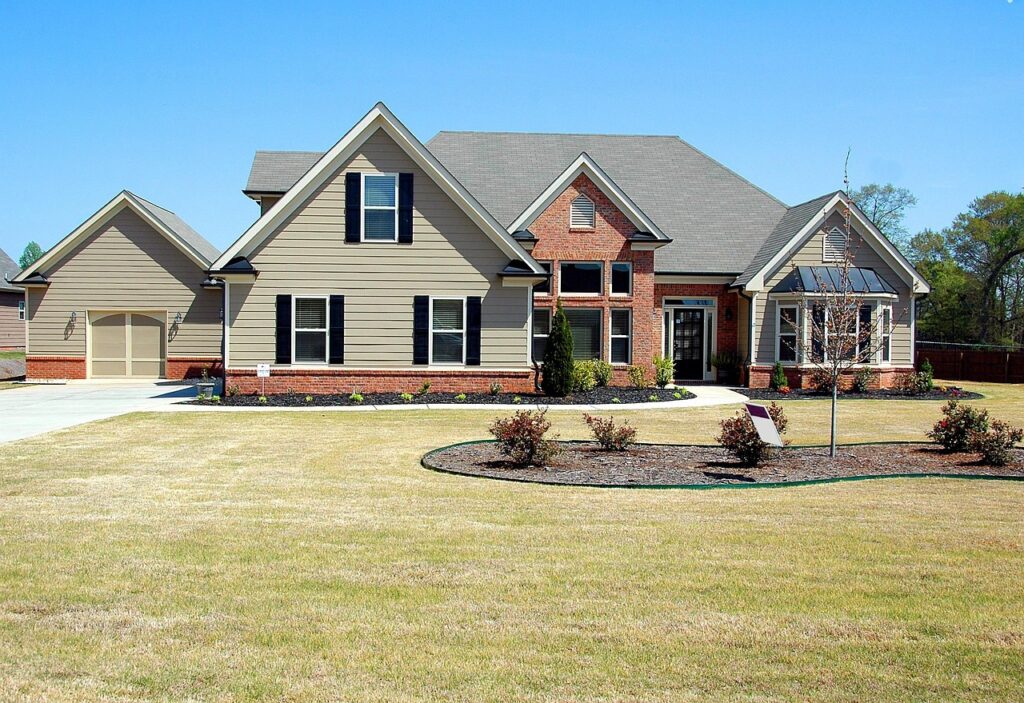

United States homebuyers faced unprecedented financial hurdles this autumn as national home prices surged to an all-time high, effectively pricing average Americans out of the market. Data released by major housing indexes in November 2023 confirm that a combination of historically low inventory and persistent demand has driven property values to record levels across the country. This affordability crisis now extends to “starter homes,” traditionally the entry point for first-time buyers, which have become economically out of reach for the majority of U.S. households.
The Mechanics of the Affordability Crisis
To understand the current crisis, economists point to the rapid escalation of mortgage interest rates over the past eighteen months. The Federal Reserve’s aggressive campaign to curb inflation pushed 30-year fixed mortgage rates above 7%—the highest level in over two decades. This spike has created a dual-sided market paralysis.
Existing homeowners, many of whom locked in mortgage rates below 3% during the pandemic, are refusing to sell. This “lock-in effect” has severely restricted the supply of homes coming onto the secondary market. Consequently, the few properties available attract intense competition, driving prices upward despite the increased cost of borrowing.
The Extinction of the Starter Home
According to the S&P CoreLogic Case-Shiller U.S. National Home Price Index, residential real estate prices have officially surpassed their previous peak set in mid-2022. For first-time buyers, the consequences are particularly severe. The classic American starter home—typically defined as a small, entry-level property—has vanished from most metropolitan markets.
A recent report from real estate brokerage Redfin indicates that the average buyer now needs an annual income of nearly $115,000 to afford a typical median-priced U.S. home. This represents a 15% increase from last year and a staggering 50% increase compared to pre-pandemic levels. With the median household income hovering around $75,000, a massive structural gap has emerged between consumer earnings and housing costs.
Data from the National Association of Home Builders (NAHB) reveals that the median square footage of new single-family homes has actually decreased slightly as builders try to offer cheaper options. However, these smaller homes are still priced out of reach for many due to elevated costs of building materials, labor shortages, and local zoning laws that restrict high-density development. Consequently, the supply of newly constructed entry-level homes remains insufficient to meet the overwhelming demand.
In response, prospective buyers are either taking on historic levels of debt or delaying homeownership indefinitely. This delay forces millions to remain in the rental market, putting upward pressure on rent prices and further limiting their ability to save for a down payment.
Expert Perspectives and Regional Disparities
“We are seeing a housing market of haves and have-nots,” says Lawrence Yun, Chief Economist at the National Association of Realtors (NAR). Yun notes that while current homeowners are accumulating substantial equity, prospective buyers face the most hostile purchasing environment in forty years. NAR data shows that first-time buyers accounted for just 28% of sales last month, well below the historical benchmark of 40%.
The crisis is not felt equally across the nation. While major tech hubs like San Francisco and Seattle have seen slight price corrections from their pandemic peaks, mid-sized cities in the Sunbelt and the Midwest are experiencing relentless appreciation. Cities like Phoenix, Atlanta, and Indianapolis continue to see bidding wars for entry-level properties, fueled by out-of-state buyers seeking relative affordability.
Financial analysts also highlight the growing role of institutional investors in the housing market. Over the past three years, private equity firms and large-scale landlords purchased a significant share of entry-level homes, often converting them into permanent rental properties. This trend directly competes with individual families, who cannot match the all-cash offers and waived inspections typical of institutional buyers.
Economic Implications and Future Outlook
The long-term implications of this pricing milestone extend far beyond individual household budgets. Delayed homeownership threatens to widen the wealth gap between generations, as real estate has historically served as the primary vehicle for middle-class wealth accumulation in the United States. Economists warn that a prolonged freeze in mobility could also stifle labor market flexibility, as workers find themselves unable to relocate for better job opportunities due to housing costs.
Market analysts are closely watching the Federal Reserve’s upcoming policy decisions. Any signal of rate cuts in the coming year could bring some relief to mortgage rates, potentially coaxing hesitant sellers back into the market. However, a sudden drop in rates could also unleash a wave of pent-up buyer demand, triggering another round of bidding wars and driving prices even higher.
In the coming months, industry watchers will monitor the spring buying season to see if homebuilders can successfully scale up the production of smaller-footprint homes. Until inventory levels see a sustained recovery, the American dream of homeownership will likely remain on hold for millions of aspiring buyers.