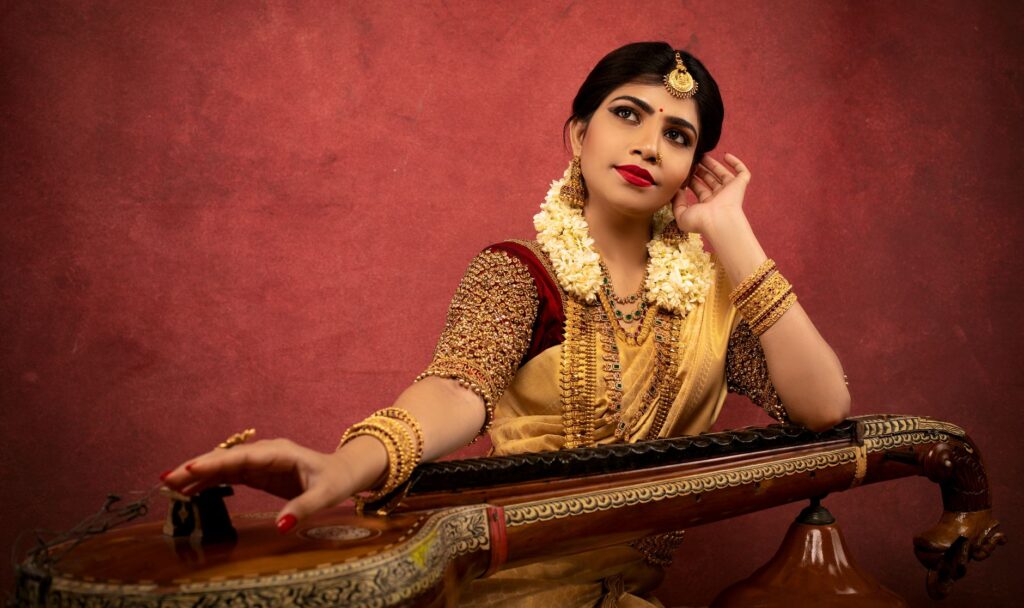

Bengaluru is set to host acclaimed Carnatic vocalist and Padma Bhushan awardee Sudha Ragunathan this coming weekend as she headlines the highly anticipated sixth edition of the Nu0101da Sambhrama music festival. The prestigious cultural event, taking place at the historic Chowdiah Memorial Hall, aims to celebrate classical music traditions while connecting veteran maestros with Bengaluru’s deeply knowledgeable audience. Music enthusiasts from across Karnataka are expected to gather for this showcase of vocal mastery and artistic heritage.
A Legacy of Classical Excellence
Sudha Ragunathan stands as one of India’s most celebrated classical vocalists, carrying forward the rich legacy of the legendary G.N. Balasubramaniam school through her guru, the late Dr. M.L. Vasanthakumari. Over a career spanning four decades, Ragunathan has received numerous accolades, including the Sangita Kalanidhi from the Music Academy of Madras and the Padma Bhushan, India’s third-highest civilian award. Her voice is renowned for its rich tonal quality, expansive range, and the effortless ease with which she navigates complex musical arrangements.
The Nu0101da Sambhrama festival, now in its sixth year, has established itself as a premier platform in Karnataka’s cultural calendar. Organized to preserve and promote classical art forms, the festival brings together exceptional talent from across India, attracting thousands of music connoisseurs to the garden city each year. The event serves as a vital bridge, keeping ancient musical traditions alive in a rapidly modernizing urban landscape.
Curating the Repertoire for Bengaluru’s Discerning Audience
Performing in Bengaluru holds a unique significance for classical musicians due to the city’s historically rich understanding of Carnatic music. Ragunathan notes that the local audience possesses an innate ability to appreciate the technical nuances of ragas and talas, which heavily influences her choice of compositions for the evening. This interactive dynamic between the stage and the auditorium elevates the performance from a mere recital to a shared spiritual experience.
For the sixth edition of Nu0101da Sambhrama, Ragunathan plans to present a carefully curated mix of traditional heavyweights and lighter, soul-stirring melodies. The performance will feature classic compositions by the Trinity of Carnatic musicu2014Tyagaraja, Muthuswami Dikshitar, and Syama Sastriu2014alongside popular Kannada Devaranamas, which always resonate deeply with the local crowd. She intends to balance the rigorous structure of the classical format with spontaneous improvisations, showcasing the fluid nature of Carnatic music.
“Bengaluru audiences listen with their hearts as well as their minds,” Ragunathan stated in an interview ahead of the concert. “There is a deep-rooted respect for tradition here, but also an incredible openness to creative improvisations within the classical framework, which challenges me as an artist to deliver my absolute best.”
Bridging Generations through Carnatic Music
According to cultural analysts, classical music festivals in India have seen a significant demographic shift over the last decade. Data from event ticketing platforms indicates a 25 percent increase in youth attendance at classical concerts, driven by a renewed interest in heritage and digital accessibility. This shift disproves the long-held notion that classical music appeals exclusively to older generations.
Ragunathan has actively embraced this demographic transition, utilizing digital platforms to mentor young students and explain the complexities of Carnatic music to global audiences. Her performance at Nu0101da Sambhrama will be supported by a talented ensemble of accompanying artists on the violin, mridangam, and ghatam, showcasing the collaborative spirit essential to the traditional kutcheri format. This synergy between seasoned veterans and young accompanists highlights the continuous oral transmission of the art form.
Musicologist Dr. Ramesh Kumar emphasizes the importance of such festivals in sustaining the ecosystem: “Events like Nu0101da Sambhrama are crucial for the cultural survival of our classical arts. They not only preserve the pristine quality of classical music but also provide younger generations with a live, immersive experience that digital recordings simply cannot replicate.”
The Future of Classical Music Festivals
As the sixth edition of Nu0101da Sambhrama commences, the success of the festival will likely set the tone for the upcoming winter music season across South India. Promoters and cultural organizations are closely watching attendance figures and audience engagement strategies to plan future large-scale events. The physical gathering of thousands of music lovers underscores the irreplaceable value of community-driven cultural experiences.
Looking ahead, industry experts predict that the integration of hybrid viewing modelsu2014combining live physical performances with high-definition global streamingu2014will become the standard for major classical festivals. This evolution promises to expand the reach of traditional Indian music far beyond its geographical boundaries, ensuring its preservation and growth in the digital age. Audiences can watch for how festivals balance these technological advancements while maintaining the sacred, intimate atmosphere of traditional performances.