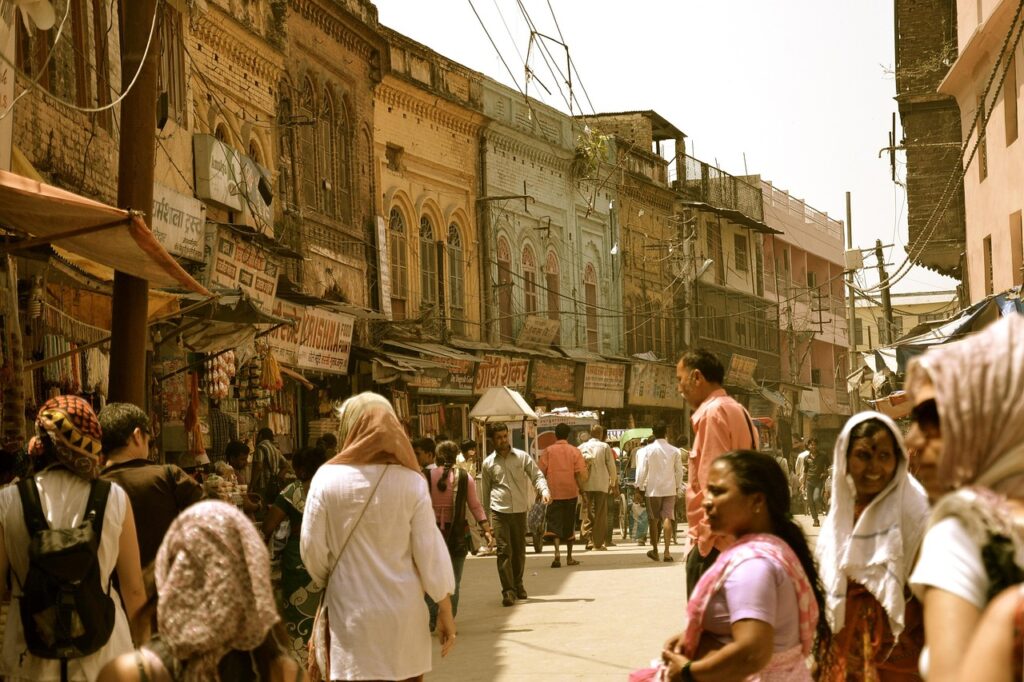

In major Indian metropolitan hubs including Delhi, Bengaluru, and Mumbai, a growing movement of historians, activists, and tour guides is introducing queer-focused heritage walks to the public. These curated excursions, which have surged in popularity over the last year, seek to unearth India’s rich, non-binary past and reclaim public spaces for the LGBTQIA+ community. By guiding participants through historic monuments, Sufi shrines, and public parks, organizers aim to dismantle the pervasive myth that queer identities are a modern, Western import to the subcontinent.
Unearthing a Diverse Past
For decades, the dominant historical narrative in India has largely sidelined or erased non-normative sexualities and gender expressions. This erasure was cemented during the British colonial era, which introduced rigid moral codes and Section 377 of the Indian Penal Code, criminalizing homosexuality. Although the Supreme Court of India decriminalized consensual same-sex acts in a landmark 2018 ruling, social stigma and historical ignorance have persisted in many segments of society.
To counter this, heritage walks are serving as an interactive classroom, demonstrating that India’s history is deeply pluralistic. From medieval literature to ancient temple iconography, physical evidence of queer desire has always existed in plain sight. These walks invite both locals and tourists to view familiar urban landscapes through a queer lens, bridging the gap between academic history and public consciousness.
Mapping Queer Cartographies in Delhi and Bengaluru
In Delhi, the heart of these walks often winds through the ruins of Sufi shrines and archaeological parks. The tomb of the 16th-century Sufi saint Jamali and his companion Kamali stands as a prominent stop, widely regarded by historians as a monument to same-sex devotion. Guides use these physical structures to discuss how pre-colonial Indian society understood love, companionship, and spiritual union beyond the gender binary, challenging modern conservative interpretations.
Further south in Bengaluru, the focus shifts from medieval monuments to modern green spaces. Cubbon Park, a vast colonial-era park in the center of the city, serves as a crucial landmark for the local LGBTQIA+ community. Walks here trace the park’s history as a safe haven for cruising, community organizing, and the early pride meetings that laid the groundwork for contemporary activism in Karnataka.
In Mumbai, the walks navigate the bustling streets of South Mumbai, tracing the evolution of queer publishing, secret underground parties of the 1970s, and the legal battles fought in the high courts. These walking tours do not just look backward; they actively transform how these spaces are utilized today. By occupying highly visible public areas, participants assert their right to the city, turning historically exclusionary spaces into sites of collective learning and safety.
Surging Demand and Diverse Audiences
The response to these initiatives has been overwhelmingly positive, reflecting a broader cultural appetite for inclusive narratives. Tour operators report that slots for queer heritage walks often sell out within hours of being announced online. The demographic of attendees is also expanding, drawing not only LGBTQIA+ individuals seeking representation but also heterosexual allies, educators, and international tourists.
According to data from local cultural collectives, participation in alternative heritage tours has risen by nearly 50% over the past two years. This trend aligns with global shifts in the tourism sector, where travelers increasingly seek authentic, socially conscious, and diverse experiences. Historians involved in these projects note that the walks provide a vital counter-narrative to conservative political discourses that attempt to homogenize Indian heritage.
The Future of Inclusive Tourism
The rise of queer-focused heritage walks signals a significant evolution in India’s cultural tourism landscape. As these grassroots initiatives gain commercial viability, there is a growing likelihood that mainstream travel agencies and state tourism boards will begin incorporating inclusive narratives into their official itineraries. Such a transition could standardize queer history education and provide stable livelihoods for marginalized guides.
However, the movement faces challenges, including potential backlash from conservative groups and the need to ensure safety for participants in conservative neighborhoods. Moving forward, observers will watch whether these walks can successfully expand beyond progressive Tier-1 cities into Tier-2 and Tier-3 towns, where queer visibility remains highly contested. The ongoing negotiation between reclaiming public space and ensuring community safety will define the next chapter of India’s rainbow trail.