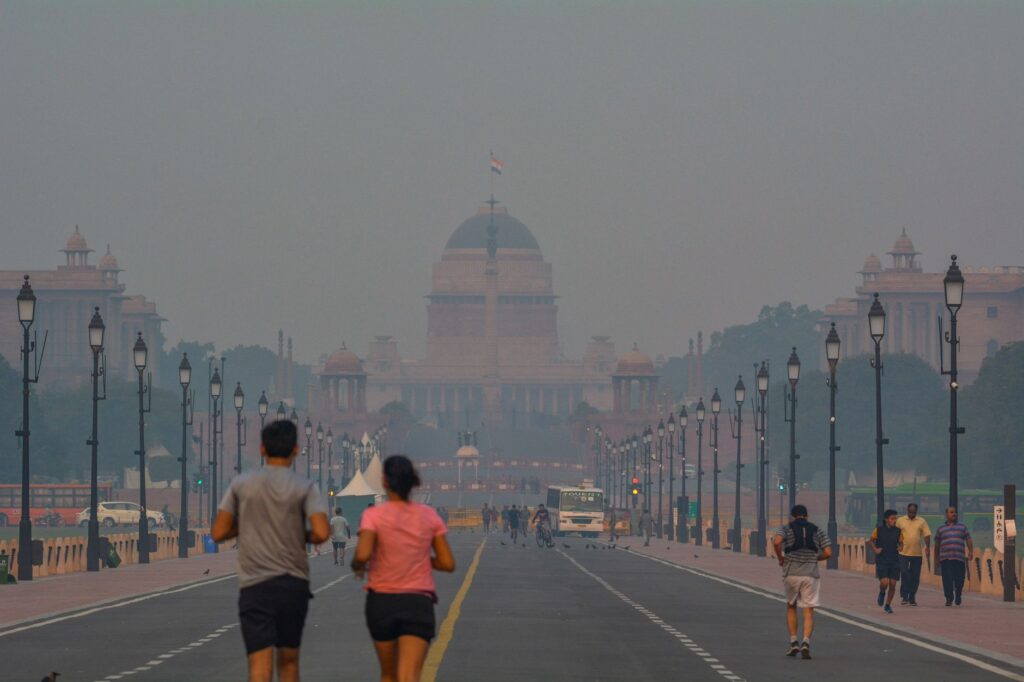

Delhi Air Quality Crisis and Educational Institutions
The judicial system in India recently expressed hesitation regarding the suspension of physical classes or the transition to online learning for educational institutions in the capital region. As environmental conditions deteriorate, authorities continuously debate the best strategies to safeguard public health without severely disrupting academic calendars.
Questions Raised Regarding Student Vulnerability
During recent hearings addressing the severe environmental conditions, the judicial bench raised critical inquiries regarding scientific evidence. Specifically, the court questioned the existence of credible medical research that definitively proves younger children face higher vulnerability to severe smog and particulate matter compared to older students.
Balancing Public Health and Continuous Education
policymakers and educational leaders face complex decisions when seasonal haze blankets the metropolitan area. While protective measures are essential during hazardous environmental periods, complete closures and remote learning models present distinct challenges for student development and working families.
Ongoing Legal Scrutiny on Environmental Policies
The discourse highlights the intricate balance required when managing urban environmental emergencies. As legal authorities evaluate comprehensive measures to combat toxic air, educational continuity remains a central theme in administrative and judicial deliberations across the capital.