





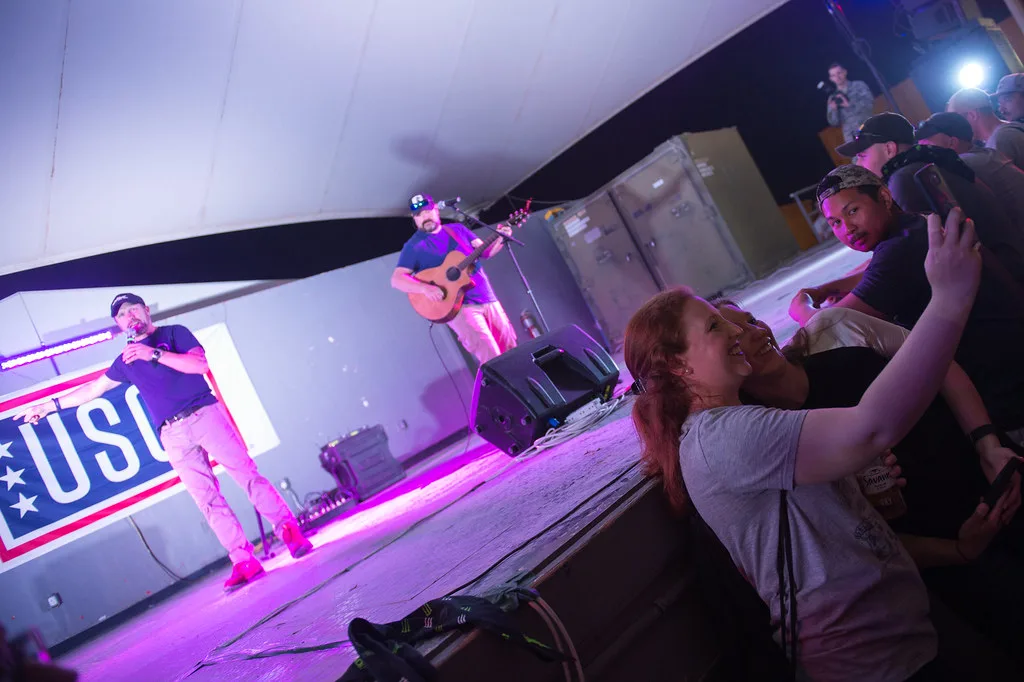
Professional delegates attending the annual industry summit in Chicago experienced a sharp shift in tone yesterday evening as a world-renowned mentalist took the stage to conclude a day of intense corporate negotiations. The performance, held at the Grand Ballroom, served as an intentional psychological reset for attendees following hours of high-stakes policy discussions and critical dialogues.
The Role of Cognitive Breaks in High-Stress Environments
Corporate conferences often demand sustained cognitive focus, leading to what psychologists call decision fatigue. By integrating entertainment into a business itinerary, organizers aim to lower cortisol levels and foster a more receptive environment for networking.
Research from the Journal of Applied Psychology suggests that brief, high-engagement diversions can improve memory retention and overall satisfaction scores for multi-day events. This strategic programming choice reflects a growing trend in the events industry to prioritize the mental well-being of participants.
The Mechanics of Mentalism
The mentalist, whose act involves a blend of psychological suggestion, non-verbal communication analysis, and sleight of mind, successfully navigated the skeptical audience. The performance focused on feats of intuition and memory, effectively dismantling the professional defenses of the attendees.
Experts in behavioral science note that mentalism exploits the brain’s tendency to fill in gaps in information. By creating an atmosphere of wonder, the performer forces participants to step outside their rigid analytical frameworks, which can paradoxically lead to more creative problem-solving later on.
Industry Impact and Attendee Reception
Initial feedback from the conference floor indicates that the performance was a welcome departure from the standard keynote lecture format. Participants reported feeling more connected to their peers after the shared experience of the show.
For the events industry, this shift underscores the necessity of balancing substantive content with human-centric engagement. Companies are increasingly investing in ‘experiential’ components that provide emotional resonance rather than just information delivery.
Future Trends in Corporate Engagement
As organizations continue to grapple with the pressures of rapid digital transformation, the demand for high-quality, live entertainment will likely persist. Observers should watch for how upcoming summits integrate immersive technology with traditional stage craft to maintain audience engagement.
The integration of psychological art forms in business settings suggests a broader pivot toward holistic event management. Future conferences will likely emphasize the synergy between intense analytical work and intentional periods of cognitive recovery to maximize professional productivity.