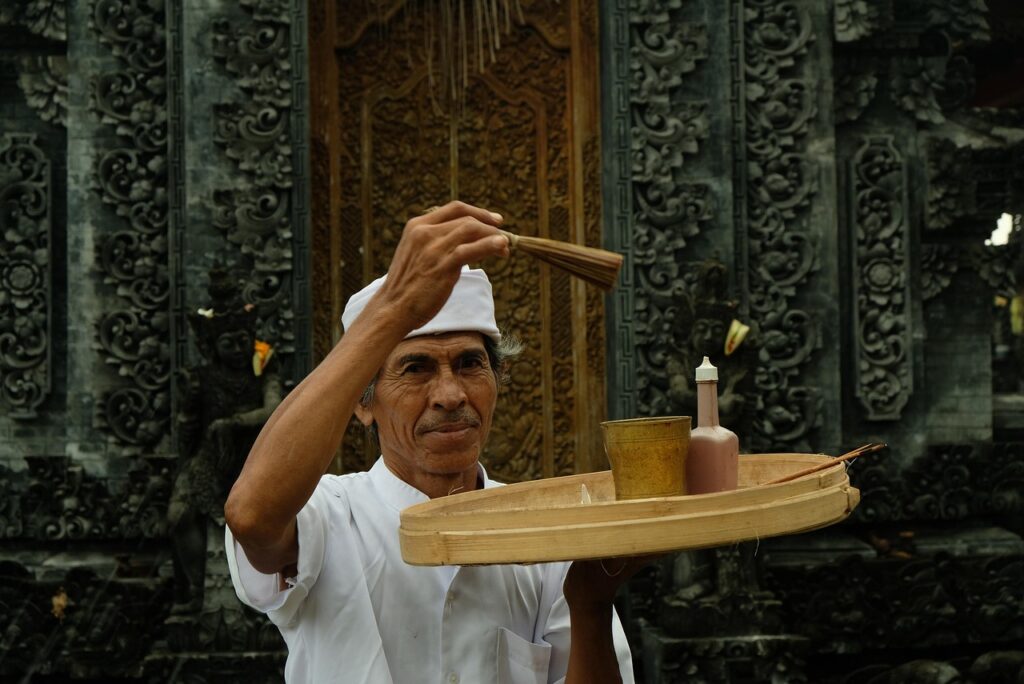

India’s national broadcaster, Doordarshan, has officially commenced the daily live telecast of the sacred Aarti rituals from the newly constructed Ram Mandir in Ayodhya on its flagship channel, DD National. This landmark broadcasting initiative, which began broadcasting live daily, aims to provide millions of devotees across India and the global diaspora with direct virtual access to the temple’s daily religious ceremonies. By broadcasting these highly revered rituals, the public broadcaster addresses the immense demand from pilgrims who face physical, logistical, or financial barriers to visiting the holy site in Uttar Pradesh.
A Historic Milestone in Public Broadcasting
The consecration of the Ram Lalla idol in January 2024 marked a historic moment for millions of Hindus worldwide, drawing unprecedented crowds to the temple town of Ayodhya. Since the temple’s opening, tens of thousands of pilgrims have arrived daily, overwhelming local infrastructure and creating long wait times for visitors. To manage this demand and democratize access to the temple, the Shri Ram Janmabhoomi Teerth Kshetra Trust partnered with Prasar Bharati, India’s public broadcaster.
Under this new arrangement, DD National broadcasts the five primary Aartis performed daily to the deity. These rituals include the Mangala Aarti in the early morning, the Shringaar Aarti where the idol is adorned, the afternoon Rajbhog Aarti, the evening Sandhya Aarti, and the night Shayan Aarti which concludes the day’s rituals. Each ceremony holds distinct spiritual significance, representing different phases of the deity’s daily routine.
Bridging the Devotional Gap Through Technology
To ensure a high-quality viewing experience without disrupting the solemnity of the temple rituals, Doordarshan has deployed state-of-the-art broadcasting technology inside the Garbhagriha (sanctum sanctorum). Multiple high-definition, remotely operated cameras have been strategically installed to capture the intricate details of the ceremonies from various angles. This setup allows the production team to broadcast seamless, high-resolution live feeds while keeping the physical presence of camera operators to a minimum.
The technical coordination required for this project involved months of planning between broadcast engineers and temple priests. Engineers had to ensure that the lighting inside the sanctum sanctorum remained conducive to both traditional worship and high-definition television broadcast standards. This delicate balance ensures that the visual output preserves the natural ambiance of the temple’s inner chambers.
Media analysts note that this initiative represents a significant step forward in the digitization of spiritual practices in India. By integrating high-definition video feeds with professional audio engineering, the broadcast captures the resonance of Vedic chants and traditional temple instruments. This technological integration ensures that the home-viewing experience remains deeply immersive and spiritually authentic for the audience.
Cultural Impact and Viewership Metrics
The decision to telecast these rituals daily comes on the heels of record-breaking viewership numbers recorded during the temple’s consecration ceremony. According to data released by Prasar Bharati, more than 750 million viewers tuned in to watch the live coverage of the Pran Pratishtha ceremony across various television networks and digital platforms. Industry experts anticipate that the daily broadcasts will sustain high viewership ratings, particularly among elderly demographics and the non-resident Indian (NRI) community.
Public broadcasting in India has historically played a pivotal role in disseminating cultural and religious content. During the COVID-19 lockdowns, the re-telecast of the classic television series Ramayan garnered unprecedented global viewership, demonstrating the enduring appetite for spiritual media. The daily live feeds from Ayodhya are expected to establish a permanent niche in the daily viewing habits of millions of households, cementing DD National’s position in the highly competitive morning broadcast slot.
Advertisers and media strategists are also closely monitoring the financial implications of this daily broadcast. The high-volume, dedicated viewership of these morning and evening slots offers premium advertising opportunities for brands looking to connect with family-oriented demographics. Consequently, this broadcast model could redefine revenue generation strategies for public service broadcasters.
The Digital Evolution of Spiritual Tourism
This broadcasting initiative carries profound implications for the future of religious tourism and spiritual engagement in the digital age. By making the Aartis universally accessible, the temple trust and the government are effectively redefining the concept of pilgrimage, creating a hybrid model of worship that combines physical travel with virtual participation. This shift is particularly beneficial for disabled individuals and senior citizens who find the rigorous physical journey to Ayodhya challenging.
Furthermore, the global feed allows international audiences to observe Hindu ritualistic traditions in real time, fostering greater cross-cultural understanding. As regional broadcasters seek to replicate this model for other prominent pilgrimage sites across India, the country’s spiritual heritage is poised to become more visible on the global stage than ever before.
Looking forward, observers will watch how this digital expansion influences the broader landscape of religious broadcasting in India. There are already discussions regarding the potential integration of virtual reality (VR) and augmented reality (AR) technologies to offer 360-degree interactive temple tours. As technology continues to evolve, the intersection of ancient traditions and modern media will likely deepen, paving the way for more interactive, accessible, and globalized spiritual experiences.