







The National Capital Region (NCR) Planning Board has finalized the Regional Plan 2041, officially retaining the Natural Conservation Zone (NCZ) status for the Aravali mountain range following years of intense policy debate. This decision, confirmed this week in New Delhi, ensures that the sensitive ecological landscape across Haryana and Rajasthan remains protected from urban sprawl and commercial development, despite prior efforts by state authorities to reclassify or dilute these protections.
The Long Road to Conservation
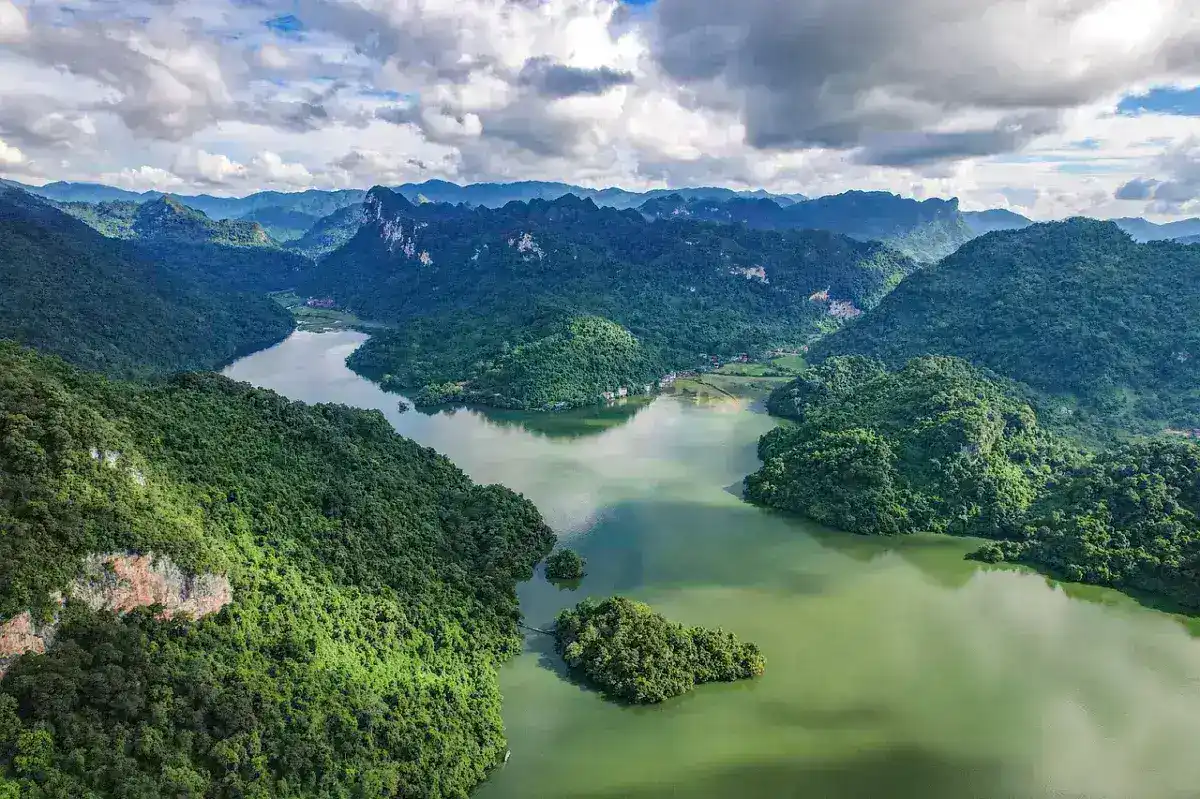
The Aravali range, one of the world’s oldest mountain systems, serves as a vital green lung for the NCR, acting as a crucial groundwater recharge zone and a barrier against desertification from the Thar Desert. For years, the status of these lands remained in legal limbo as the Haryana government argued that the definition of “forest” and “conservation zone” hindered regional infrastructure development and housing projects.
Environmental activists and legal experts have long countered that any relaxation of NCZ norms would lead to irreversible ecological damage. The finalization of the 2041 plan marks a significant victory for conservationists who maintained that the environmental integrity of the region must take precedence over short-term real estate expansion.
Balancing Development and Sustainability
While the NCZ mandate remains the centerpiece of the environmental policy, the NCR Regional Plan 2041 is not exclusively focused on preservation. It introduces a comprehensive framework designed to accommodate a projected population surge in the national capital region, which is expected to reach 100 million by the next two decades.
The plan outlines ambitious infrastructure projects, including high-speed regional rail transit systems and expanded multi-modal logistics hubs. Urban planners emphasize that by strictly zoning the Aravali as a protected area, the government is forcing developers to focus on planned, vertical expansion in designated urban centers rather than encroaching on fragile ecosystems.
Data-Driven Environmental Protection
Recent satellite imagery and environmental audits provided by the Forest Survey of India have played a pivotal role in the board’s decision-making process. Data indicates that areas within the NCZ have seen a 12% increase in green cover over the last five years due to stricter enforcement of land-use regulations.
Dr. Anjali Verma, an urban ecologist associated with the NCR monitoring committee, notes that the retention of the NCZ is a scientific necessity. “The Aravali act as the primary defense against the heat island effect currently plaguing the NCR. Without this protection, the regional climate would experience significantly higher temperature spikes, exacerbated by the loss of natural vegetation,” Verma stated.
Future Implications for the NCR
The solidification of these protections means that land-use policies in districts like Gurugram and Faridabad will face heightened scrutiny. Developers must now align their master plans with the stringent environmental standards set by the board, potentially slowing down projects that lack environmental clearance.
Industry analysts suggest that this regulatory clarity will ultimately stabilize the real estate market by removing uncertainty regarding land titles and usage rights. Moving forward, stakeholders should monitor the implementation of the “Green Buffer” policies that will surround the NCZ, as these will define the limits of future industrial growth. The focus will likely shift toward sustainable urban renewal and the enforcement of ecological compliance in peripheral zones as the region enters a new phase of planned development.