
A violent physical altercation over a seating dispute erupted in the luggage compartment of an Ambernath-bound local suburban train in Thane, Maharashtra, on Wednesday, leaving three commuters injured. The Kalyan Government Railway Police (GRP) intervened following the incident, which highlights the escalating tensions among daily commuters on Mumbai’s heavily congested suburban railway network.
Rising Tensions on Mumbai’s Lifeline
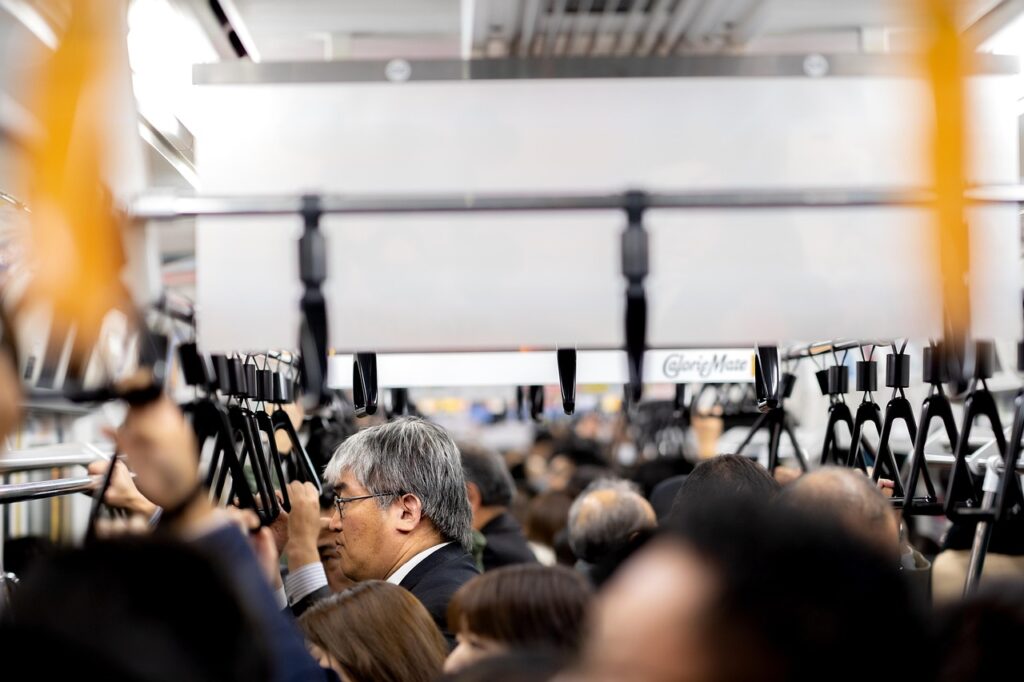
Mumbai’s suburban railway network, often referred to as the city’s lifeline, carries over 7.5 million commuters daily. The luggage compartments, designed specifically for vendors and passengers carrying heavy goods, frequently become overcrowded with regular commuters during peak travel hours. This intense overcrowding often leads to verbal spats, which occasionally escalate into physical violence due to high stress levels and limited physical space.
Local commuters report that boarding these compartments has become increasingly hazardous as the gap between passenger demand and train frequency widens. The Central Line, where this incident occurred, is particularly notorious for extreme congestion during evening rush hours.
Details of the Altercation
According to Kalyan GRP Senior Inspector Archana Dusane, the conflict began as a verbal argument over seating arrangements in the luggage compartment as the train approached Thane station. The argument quickly escalated as other passengers joined in, resulting in a physical brawl that left three individuals with minor to moderate injuries. Railway police personnel boarded the train at the next scheduled station to restore order and detain those involved in the disruption.
The injured passengers were immediately rushed to a nearby municipal hospital, where they received medical treatment for lacerations and bruises. The Kalyan GRP has registered a case against the primary instigators under relevant sections of the Bharatiya Nyaya Sanhita (BNS) for voluntarily causing hurt and rioting, alongside provisions of the Railways Act.
Systemic Overcrowding and Commuter Stress
Urban transit experts point to systemic capacity issues as the root cause of such recurring violent incidents on public transit. Transport analyst Rohit D’Souza notes that the peak-hour passenger density in Mumbai locals often exceeds 14 to 16 passengers per square meter, far beyond international safety standards. “When human beings are packed into confined spaces under high temperature and humidity, stress levels skyrocket, making minor disputes highly volatile,” D’Souza stated.
Furthermore, the lack of effective segregation between commercial vendors and daily commuters in luggage compartments exacerbates these daily frictions. Regular commuters often board these specialized coaches to escape the even heavier crowds in general compartments, leading to direct confrontations with vendors carrying large packages.
Security Challenges and Law Enforcement Limits
The Railway Protection Force (RPF) and GRP face massive logistical challenges in monitoring the vast suburban network. With thousands of trains running daily across hundreds of kilometers of track, deploying security personnel in every single compartment remains virtually impossible. Security data indicates a rising trend in commuter disputes over the last year, prompting calls from passenger associations for increased CCTV surveillance and plainclothes patrolling.
Activists argue that the current security measures are reactive rather than preventive. While police respond to emergencies, there is a distinct lack of crowd control management on platforms to prevent overcrowded compartments from boarding more passengers than safely permitted.
Implications for Commuters and Transit Authorities
This incident underscores the urgent need for structural and administrative reforms within the Central Railway zone. Commuters are demanding better crowd management strategies, including the strict segregation of luggage carriers and regular passengers during peak hours. For the railway administration, failing to address these daily frictions could lead to more severe law-and-order situations and threaten overall passenger safety.
The incident has also sparked a wider debate on social media regarding commuter empathy and mental health. Many residents are calling for public awareness campaigns to promote patience and mutual respect among passengers navigating the stressful daily commute.
Future Outlook and Preventive Measures
Moving forward, the Kalyan GRP plans to increase random patrols during peak hours on sensitive routes, particularly targeting luggage compartments. Authorities are also evaluating the feasibility of installing real-time panic buttons in coaches and expanding the coverage of high-definition security cameras inside train compartments. Observers will watch whether the Central Railway implements long-term capacity expansions, such as introducing more 15-coach rakes and air-conditioned local trains, to permanently de-escalate commuter pressure.