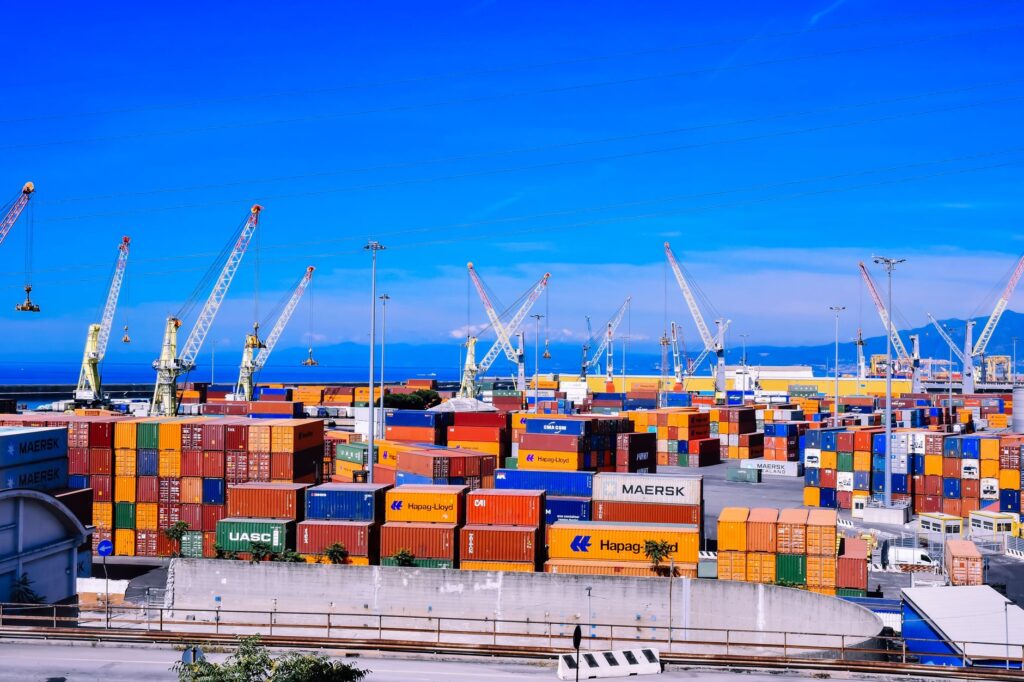

The United States government announced on Thursday it will impose a 25% tariff on a wide range of Brazilian imports, effective next month, following a federal investigation that concluded the South American nation engaged in unfair trade practices. The Office of the United States Trade Representative (USTR) finalized the decision in Washington, D.C., aiming to protect domestic industries from subsidized competition from the world’s tenth-largest economy. The sweeping measures represent a significant escalation in trade tensions between the two largest economies in the Western Hemisphere.
Background of the Trade Dispute
The punitive measures follow a multi-month Section 301 investigation initiated by the U.S. government. American trade officials launched the inquiry after domestic industrial and agricultural groups filed formal complaints regarding state-backed financing and tax exemptions for Brazilian exporters. These domestic groups argued that Brazil’s fiscal policies gave its exporters an artificial advantage in the global marketplace.
Brazil and the United States share a deep economic relationship, with bilateral trade volume exceeding $120 billion last year, according to U.S. Census Bureau data. Historically, the two nations have traded heavily in raw materials, agricultural goods, and heavy machinery. However, long-standing disputes over steel quotas, ethanol duties, and intellectual property rights have periodically strained relations.
Sectors Hit Hardest by the Tariffs
The newly announced tariffs will primarily target Brazil’s manufacturing and agricultural exports. Industrial steel, aluminum, pulpwood, and chemical products face the immediate 25% surcharge upon arrival at U.S. ports. Certain agricultural products, including concentrated orange juice and tobacco, are also on the final retaliation list.
American manufacturing coalitions welcomed the announcement. The Coalition for a Prosperous America released a statement praising the administration for taking decisive action to defend domestic factories and jobs. They argue that years of subsidized Brazilian steel imports have artificially depressed prices and threatened American steel production capacity.
Conversely, U.S. consuming industries expressed immediate concern over the tariff announcement. The National Retail Federation warned that the sudden 25% cost increase on raw materials would inevitably trickle down to American consumers. Importers of industrial components will either have to absorb the higher costs, squeezing their profit margins, or raise prices on finished goods.
Expert Analysis and Economic Data
Economic analysts suggest that the tariffs could significantly disrupt established supply chains across North and South America. According to data from the Peterson Institute for International Economics, Brazil accounts for nearly 20% of the semi-finished steel imported by U.S. steel mills. Replacing this supply quickly could prove difficult and expensive for American manufacturers.
“These tariffs represent a blunt instrument in a highly complex supply chain,” said Sarah Jenkins, a senior trade analyst at the global consultancy firm TradeMetrics. “While the policy aims to protect domestic producers, it simultaneously penalizes domestic manufacturers who rely on Brazilian raw inputs to create finished goods.”
The Brazilian government reacted swiftly to the announcement, expressing deep regret and signaling its intent to challenge the tariffs at the World Trade Organization (WTO). In a joint statement, Brazil’s Ministry of Foreign Affairs and the Ministry of Development, Industry, and Trade called the U.S. measures “unjustified, protectionist, and incompatible with international trade laws.”
What to Watch Next
The international community is now bracing for Brazil’s formal response, with economists predicting retaliatory tariffs on American goods. Historically, Brazil has targeted politically sensitive U.S. exports, such as agricultural machinery, wheat, and specialty chemicals, in past trade disputes. If Brazil pursues this route, it could harm American farmers who rely on South American markets.
Market analysts will closely monitor the upcoming WTO filing, which could take months or even years to resolve. In the short term, businesses in both nations are scrambling to adjust contracts and seek alternative suppliers before the tariffs officially take effect on the first of next month. Observers will also watch whether other nations in the region adjust their trade policies to capitalize on the shifting trade flows between Washington and Brasília.