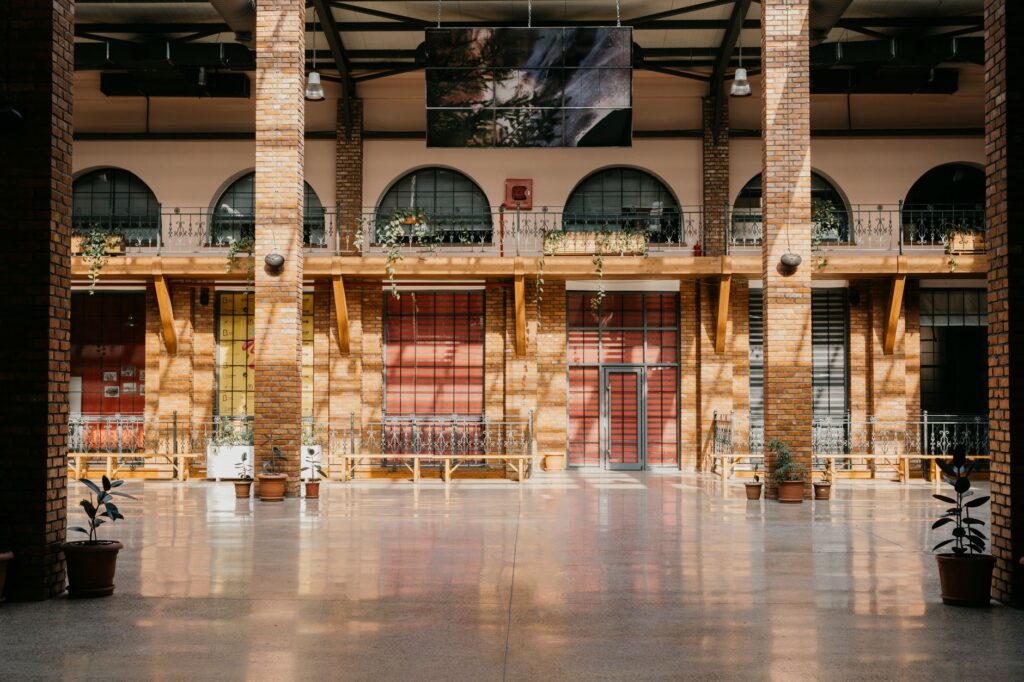

This winter, a dynamic group of entrepreneurs, architects, and artists in Kolkata, India, is pioneering a cultural renaissance by transforming the city’s decaying colonial-era mansions and Edwardian offices into thriving commercial hubs. By converting these century-old structures into jazz bars, cafes, and art galleries, these preservationists are proving that adaptive reuse offers a highly profitable and culturally rich alternative to demolition. This grassroots movement is rapidly reshaping the city’s real estate landscape and redefining how residents interact with urban history.
The Battle to Save Kolkata’s Architectural Soul
Kolkata, once the capital of the British Raj, boasts one of the largest collections of heritage buildings in the world. However, thousands of these structures, ranging from grand zamindari mansions to Art Deco residences, face demolition due to neglect, complex tenancy laws, and aggressive real estate development. For decades, the prevailing narrative suggested that conserving these crumbling edifices was a financial burden with little economic return.
The tide began to turn as local advocates realized that static preservationu2014turning buildings into museumsu2014was unsustainable. Instead, the concept of adaptive reuse emerged as a viable compromise. By retrofitting historic structures with modern amenities while preserving their architectural integrity, owners can monetize these spaces and fund their ongoing maintenance.
From Decay to Jazz: The Pioneers of Adaptive Reuse
At the forefront of this movement is Skinny Mou2019s House, a restored 104-year-old Art Deco building in South Kolkata. Once a derelict structure, the building now hosts a vibrant jazz club, a design studio, and a cafe. The restoration meticulously preserved the original mosaic flooring, high ceilings, and classic shuttered windows, creating an atmospheric venue that attracts a diverse, modern crowd.
Similarly, “The Red Bari” (Lal Bari), a striking 109-year-old red brick bungalow, has transitioned from a quiet residential estate into a bustling cultural hub. The owners have opened their doors to the public, hosting intimate musical performances, literary meets, and pop-up markets. These spaces successfully bridge the gap between Kolkata’s rich intellectual past and its contemporary creative economy.
Further north, forgotten mercantile offices in the historic Barabazar and Dalhousie Square districts are also seeing a revival. Former Edwardian boardrooms now host flamenco performances and contemporary art exhibitions. This shift demonstrates that even highly specialized commercial spaces can find new life under creative management.
The Economics of Conservation
Data from urban planning forums suggests that adaptive reuse projects can be highly cost-effective compared to new constructions. Restoring an existing structure often reduces material costs and minimizes the environmental footprint associated with demolition and rebuilding. Furthermore, heritage status serves as a powerful marketing tool, drawing tourists and locals seeking authentic cultural experiences.
“Heritage is no longer just about nostalgia; it is a viable business model,” says Amit Chaudhuri, author and founder of Calcutta Architectural Legacies (CAL), an organization advocating for the protection of the city’s built heritage. Chaudhuri emphasizes that these restored spaces generate local employment and boost neighborhood economies, proving that conservation and development can coexist.
Financial analysts note that properties adjacent to successfully restored heritage hubs often experience a rise in valuation. This economic ripple effect is encouraging skeptical property owners to reconsider selling their ancestral homes to developers, opting instead to partner with hospitality brands or creative entrepreneurs.
A Blueprint for Urban Regeneration
The success of Kolkata’s heritage venues offers a powerful blueprint for other historic cities across India and the developing world. As urbanization accelerates, the pressure to replace old structures with high-rise apartments remains intense. However, the commercial viability of spaces like Skinny Mo’s House proves that historic architecture possesses intrinsic commercial value that modern glass-and-steel facades cannot replicate.
For the hospitality and retail industries, this trend signals a shift in consumer preferences. Modern consumers increasingly favor unique, story-driven spaces over sterile, cookie-cutter environments. This shift is driving demand for boutique hotels, experiential retail outlets, and specialized performance venues housed within historic walls.
Looking forward, the long-term survival of Kolkata’s heritage will depend heavily on policy support and institutional investment. Observers are watching closely to see if the Kolkata Municipal Corporation will introduce tax incentives or ease zoning regulations to facilitate more adaptive reuse projects. Additionally, the integration of smart-building technologies into these centenarian structures will be crucial to meeting modern safety and sustainability standards without compromising historical aesthetics. As more forgotten mansions light up their courtyards for jazz nights and art fairs, Kolkata’s past is securely positioning itself as the cornerstone of its future cultural economy.