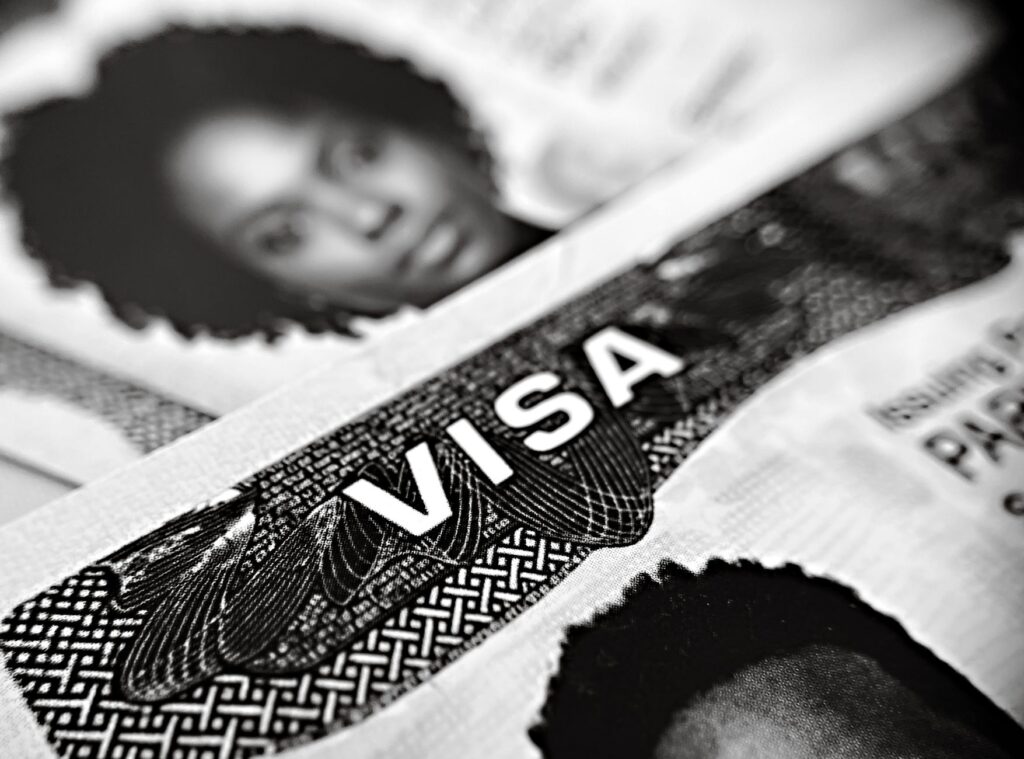

The Landscape of Modern Mobility
Global travel is undergoing a significant transformation as emerging technologies reshape how people move across international borders. The integration of advanced digital tools into travel infrastructure promises to streamline processes and reduce friction for millions of passengers. Travelers increasingly expect digital efficiency at every stage of their journey, from initial planning to final border clearance.
Technological integration touches nearly every aspect of the modern transit experience. Airports, airlines, and administrative agencies are adopting automated systems to handle rising passenger volumes. These innovations aim to make travel more seamless, predictable, and accessible for everyone involved.
Streamlined Administrative Processes
Administrative procedures related to international travel are becoming faster and more reliable. Automated data verification and digital document submission reduce the time applicants spend preparing for trips. Governments and service providers utilize smart platforms to manage inquiries and process applications with greater accuracy.
These advancements help minimize human error during the paperwork phase. Applicants can upload necessary details through secure online interfaces, receiving rapid feedback regarding their status. Such improvements contribute to a smoother overall experience, eliminating much of the traditional stress associated with border paperwork.
The Human Element in Border Security
Despite rapid technological progress, critical decisions regarding border access remain strictly under human purview. Automated systems can analyze information and flag potential concerns, but the authority to approve or deny entry rests with designated government officials.
Legal frameworks currently require human oversight for sensitive determinations involving national security and immigration policy. While computing power continues to expand, legislative mandates ensure that sovereignty and discretionary judgment stay in human hands.
Future Legislative Horizons
Looking ahead, the relationship between automation and governance will depend heavily on evolving legislation. Lawmakers around the world are carefully studying how advanced software can be safely integrated into administrative workflows.
Experts note that while full automation of administrative tasks is technically feasible, the ultimate responsibility for entry clearance involves complex ethical and legal dimensions. Legislative bodies will dictate the boundaries of technology adoption, ensuring that administrative agencies balance operational efficiency with robust security and accountability.