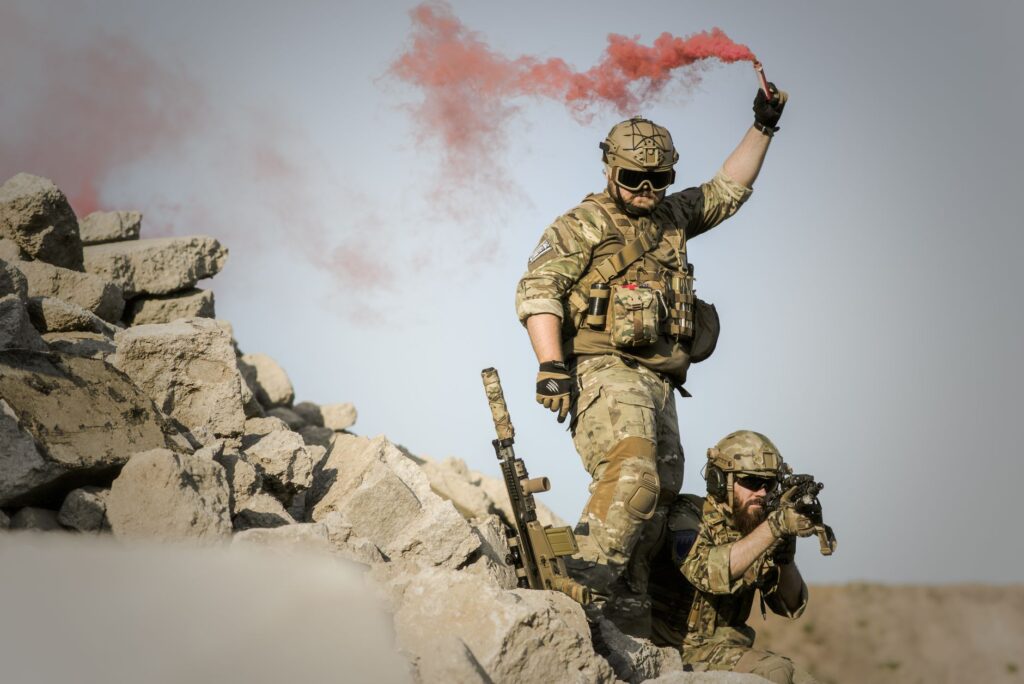

Modern Warfare Demands Strategic Evolution
Military preparedness in the contemporary era requires a fundamental shift in how armed forces approach defense and national security. As geopolitical landscapes shift and new security challenges emerge daily, military leaders must adapt rapidly to safeguard national sovereignty. Traditional strategies alone are no longer sufficient to counter sophisticated adversaries who constantly innovate and leverage advanced capabilities.
The Imperative of Technological Superiority
Advanced technology stands at the forefront of modern defense preparedness. Armed forces that fail to integrate cutting-edge innovations risk falling behind potential adversaries. From artificial intelligence and cyber defense systems to unmanned platforms and advanced communication networks, modern battlefields are increasingly defined by technological prowess. Securing a technological edge allows defense forces to detect threats early, respond with precision, and minimize risks to personnel during critical operations.
The Element of Tactical Surprise
Achieving tactical surprise remains a cornerstone of successful military strategy. When armed forces can outmaneuver opponents unexpectedly, they disrupt enemy planning and seize the initiative. Modern defense preparedness relies heavily on innovative tactics and operational unpredictability. By keeping adversaries guessing through advanced intelligence, rapid deployment, and unconventional approaches, military forces can decisively alter the outcome of potential conflicts before they escalate.
Fostering Jointness Among Armed Forces
Cooperation across different military branches is equally vital for comprehensive defense readiness. The concept of jointness ensures that the army, navy, and air force operate as a cohesive, unified unit rather than isolated entities. Seamless communication, shared resources, and synchronized strategies enhance operational efficiency across all domains of warfare. As security threats become increasingly multifaceted, a unified military structure guarantees a robust and adaptable response to any crisis.
Preparing for Emerging Security Threats
Anticipating future challenges requires continuous investment in research, development, and strategic planning. Military readiness is not a static goal but an ongoing process of modernization and adaptation. By prioritizing technological integration, maintaining tactical surprise, and fostering deep inter-service collaboration, defense organizations can successfully navigate the complexities of twenty-first-century security environments and protect the nation against all potential dangers.