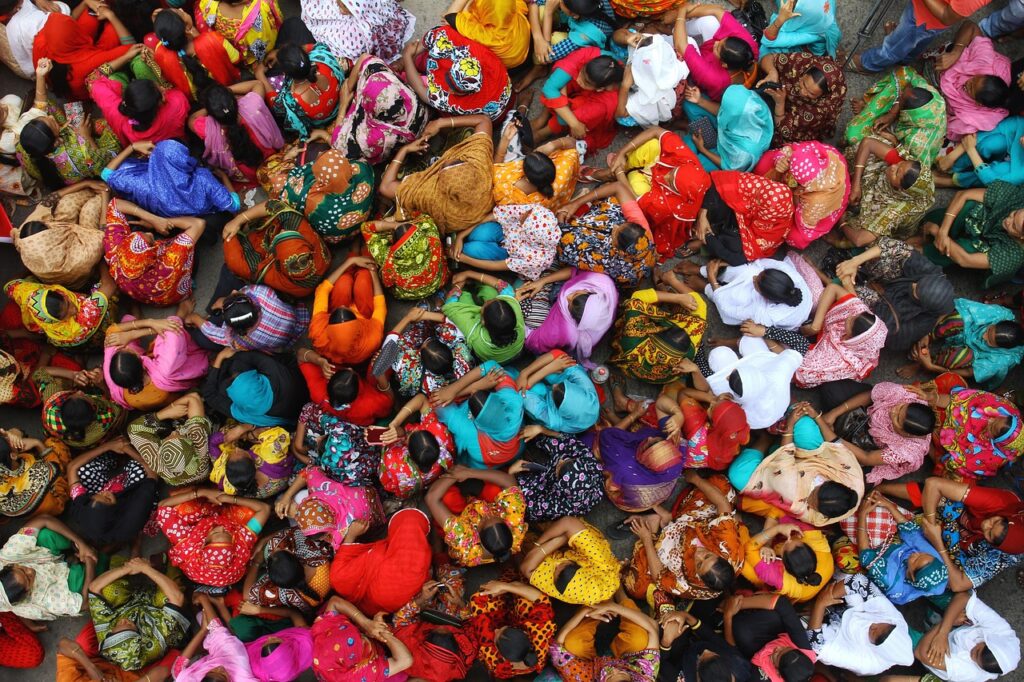

Thousands of demonstrators affiliated with the Citizens for Justice and Peace (CJP) commenced an overnight vigil at New Delhi’s Jantar Mantar on Sunday, preparing for a highly anticipated march to Parliament on Monday morning. The mass mobilization aims to draw legislative attention to critical civic demands, constitutional protections, and economic reforms as the parliamentary session resumes. Protesters from various states have transformed the historic site into a sprawling encampment, signaling a major confrontation between civil society advocates and state authorities.
The Historical Crucible of Jantar Mantar
Jantar Mantar, an 18th-century observatory located in the heart of India's capital, has long served as the designated epicenter for democratic dissent. Under strict guidelines from the Supreme Court of India, the site remains one of the few zones where public assembly and political demonstrations are permitted near the high-security diplomatic and legislative enclave. Sunday's gathering marks one of the largest assemblies at the venue in recent months, recalling previous historic movements that reshaped national policy.
The CJP, a coalition representing diverse human rights defenders, labor unions, and marginalized communities, has spent months mobilizing grassroots networks for this demonstration. The organization demands robust legislative safeguards for civil liberties, the protection of minority rights, and immediate economic relief measures for agrarian and informal sector workers. Organizers state that the march to Parliament is a necessary escalation after multiple petitions to ministry officials went unanswered.
A Night of Mobilization and Solidarity
As dusk fell over the capital, the atmosphere at Jantar Mantar shifted from a logistical staging ground to a vibrant communal space. Volunteers established makeshift kitchens, known as langars, to distribute hot meals, tea, and water to the thousands sleeping on blankets and tarpaulins spread across the asphalt. Activists, students, and elderly farmers from neighboring states like Punjab, Haryana, and Uttar Pradesh sat side-by-side, sharing stories of local struggles.
Throughout the night, the main stage featured a succession of speakers, poets, and musicians who kept the crowd engaged under the glare of temporary floodlights. The speeches emphasized unity across regional and linguistic divides, framing the upcoming march as a collective defense of democratic values. Despite the dropping temperatures, the morale of the campers remained high, punctuated by rhythmic slogans demanding justice and systemic accountability.
Security forces have responded with a massive deployment of personnel to prevent any breach of the security perimeter. The Delhi Police, alongside paramilitary units, have erected multi-layered steel barricades, deployed water cannons, and positioned riot control vehicles along all major arterial roads leading from Jantar Mantar to the Parliament House. Authorities have also issued traffic advisories, warning commuters of extensive diversions across central Delhi starting early Monday morning.
Analyzing the Dynamics of Mass Protest
Political analysts view this mobilization as a critical test of the government's willingness to engage with organized public dissent. "Mass mobilizations in the capital serve as a powerful barometer of public sentiment," said Dr. Amrita Sen, a political scientist specializing in social movements. "By camping overnight and marching toward Parliament, the CJP is attempting to bypass bureaucratic gatekeepers and force a direct political dialogue on the national stage."
According to internal logistics data shared by CJP organizers, over 15,000 individuals had registered to participate in the march by late Sunday evening. While independent police estimates placed the current crowd size closer to 8,000, law enforcement officials acknowledge that influxes of protesters continue to arrive via train stations and bus terminals across the city. This scale of mobilization poses significant administrative challenges for a city already grappling with heightened security protocols.
Implications for Governance and Public Order
The immediate fallout of Monday's march will likely be felt in the legislative chambers, where opposition lawmakers are expected to raise the protesters' demands during the morning session. A successful, peaceful demonstration could embolden civic coalitions across the country, potentially leading to a wave of coordinated regional protests. Conversely, any outbreak of violence or heavy-handed police action could trigger widespread public backlash and deepen the polarization between the state and civil society organizations.
Observers will be watching closely to see if the government dispatches a ministerial delegation to receive the protesters' memorandum, a move that could defuse tensions and pave the way for formal negotiations. The response of the security apparatus during the march's commencement at 10:00 AM will dictate the trajectory of the day's events, determining whether this massive display of civic participation concludes as a peaceful dialogue or a tense standoff on the streets of New Delhi.