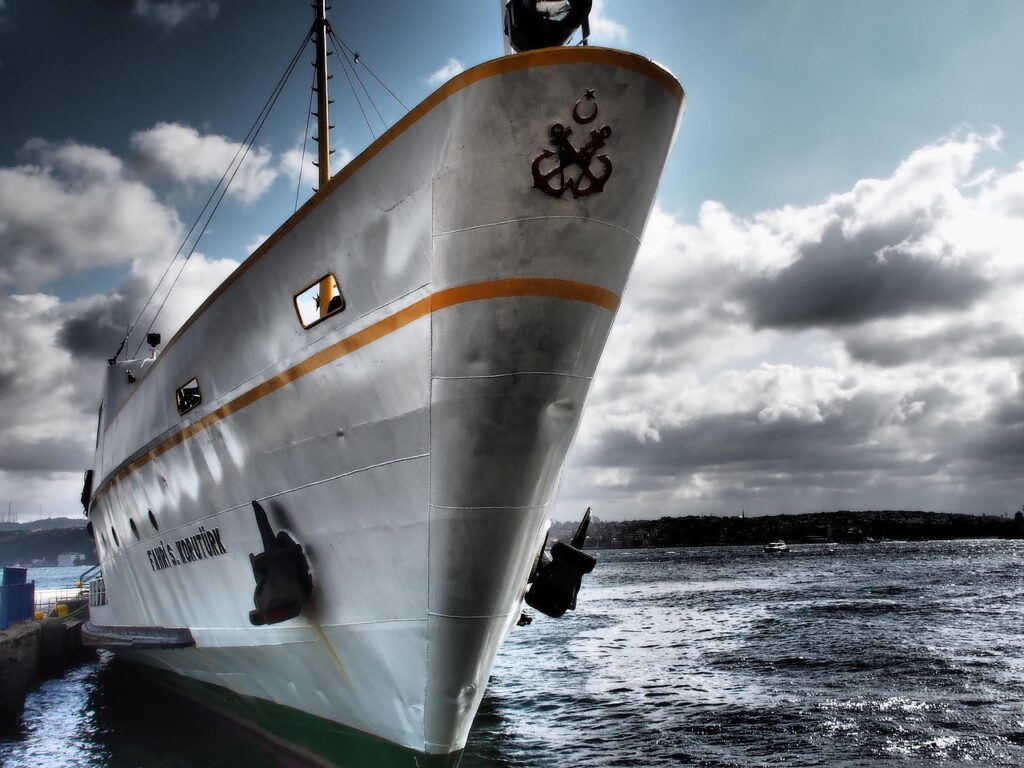

The Kochi Municipal Corporation has initiated plans to introduce a modern hybrid roll-on/roll-off (ro-ro) ferry on the busy Vypeen–Fort Kochi water route in Kerala, India, aiming to resolve long-standing noise complaints and reduce carbon emissions. The decision, discussed during recent council planning sessions, comes in response to mounting grievances from local residents and commuters regarding the deafening engine noise and heavy vibrations produced by the existing diesel-powered vessels.
Context: The Vital Vypeen-Fort Kochi Waterway
The water corridor between Vypeen and Fort Kochi serves as a critical transit link for thousands of daily commuters, tourists, and light vehicles. Spanning a short but high-traffic stretch of the Kochi harbor channel, the ferry service bypasses a tedious 15-kilometer road detour through heavily congested city corridors.
Currently, the route is serviced by two diesel ro-ro vessels, Sethusagar I and Sethusagar II, operated by the Kerala Shipping and Inland Navigation Corporation (KSINC) on behalf of the Kochi Corporation. However, these vessels have drawn consistent criticism for their erratic maintenance schedules, frequent breakdowns, and high decibel levels that disturb nearby heritage zones and residential pockets.
The Vypeen-Fort Kochi route is one of the most densely traveled water channels in the region, carrying hundreds of thousands of passengers annually. As urban density increases, the strain on this marine link has exposed the limitations of traditional fossil-fuel propulsion systems in close proximity to historic residential areas.
Addressing Noise Pollution and Technical Failures
Local resident associations and environmental activists have repeatedly petitioned the municipal body to address the acoustic pollution generated by the current fleet. Sound level measurements near the terminal docks have frequently exceeded permissible limits for residential and silent zones, impacting both local businesses and the quality of life for waterfront residents.
Beyond noise, the mechanical design of the older vessels has led to operational inefficiencies. The heavy vibration from the diesel engines accelerates wear and tear on the propulsion systems, leading to unscheduled dry-docking and lengthy service interruptions that leave commuters stranded.
Commuters have voiced frustration over the unpredictable service, which often forces them back onto the congested roads. The introduction of a more reliable, quieter technology is seen as a necessity rather than a luxury for the city’s integrated transport network.
The Shift to Hybrid Propulsion Technology
To mitigate these challenges, municipal authorities are evaluating a transition to hybrid-electric propulsion systems. These vessels utilize a combination of lithium-ion battery banks and smaller, highly efficient diesel generators that run only when battery levels drop below a specific threshold.
According to preliminary feasibility reports, a hybrid ro-ro ferry would operate almost silently during docking and short-distance transits, which make up the bulk of the Vypeen-Fort Kochi route. The integration of electric power could reduce fuel consumption by an estimated 30 to 40 percent, significantly lowering the carbon footprint of the municipal transit network.
The hybrid system also offers redundancy. If the battery charge depletes during peak operating hours, the onboard diesel generators seamlessly engage to power the electric motors, ensuring uninterrupted service across the channel.
Financial Viability and Expert Insights
Maritime engineering experts suggest that while the initial capital expenditure for hybrid vessels is higher than conventional diesel ferries, the long-term operational savings justify the investment. Reduced fuel consumption and lower maintenance requirements for electric drivetrains typically offer a return on investment within five to seven years.
“Hybrid marine propulsion is no longer an experimental technology; it is a proven standard for short-route inland shipping globally,” says Dr. Ramesh Nair, a maritime transit consultant based in Kochi. “For a high-frequency, short-distance route like Vypeen-Fort Kochi, electric charging infrastructure at the terminals can maximize battery-only operations, virtually eliminating localized emissions and noise.”
Furthermore, local shipbuilders, such as the Cochin Shipyard Limited (CSL), have already demonstrated global expertise in constructing electric and hybrid vessels. CSL recently manufactured advanced electric hybrid water metro boats for the city, suggesting that local technical expertise is readily available to support this transition.
Future Implications and What to Watch Next
The transition to a hybrid fleet aligns with the larger green energy transition goals of the state of Kerala, which has already seen the successful deployment of the Water Metro—a network of advanced electric-hybrid passenger boats. Integrating a hybrid ro-ro vessel would mark the next evolution in the city’s water transport master plan.
In the coming months, observers should watch for the release of the formal expression of interest (EoI) by the Kochi Corporation to select shipbuilders and technology partners. Additionally, the allocation of state or central maritime subsidies will be crucial in determining the project’s timeline and the ultimate deployment of the eco-friendly vessel.
As urban centers worldwide grapple with the dual challenges of congestion and climate change, Kochi’s move toward hybrid marine transit could serve as a blueprint for other coastal and riverine cities in developing nations looking to modernize their public utility fleets.