









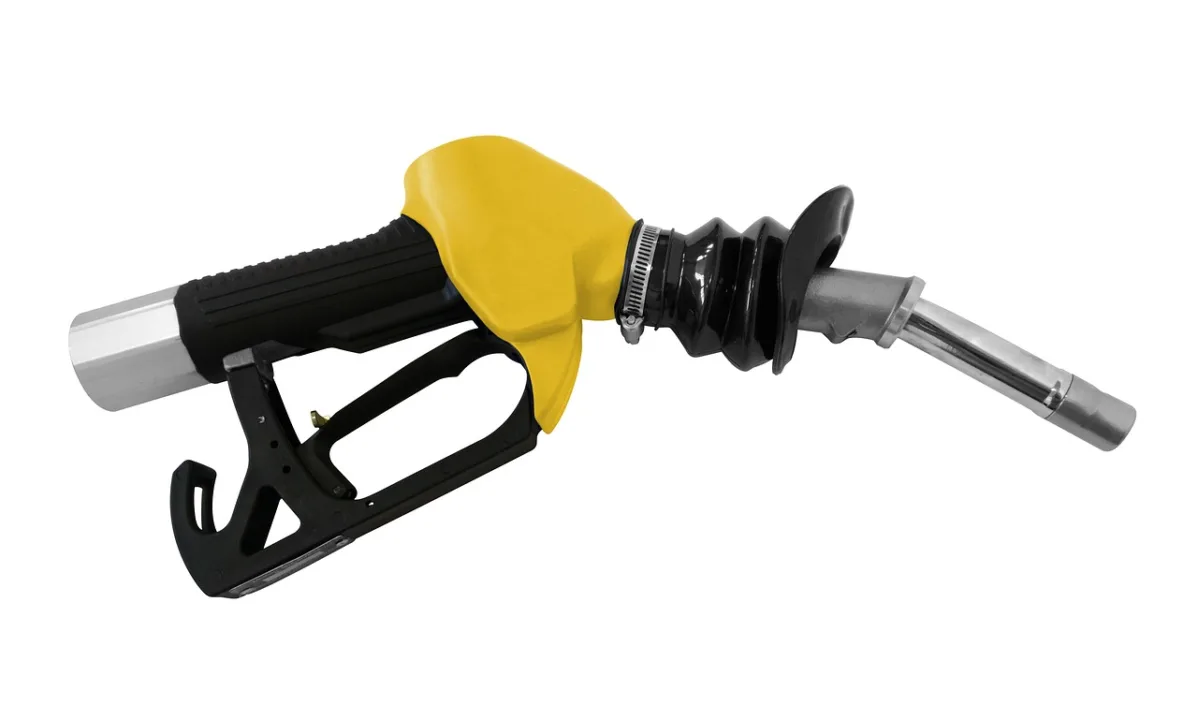
The Indian government has officially exempted petrol blended with ethanol at concentrations of 22%, 25%, 27%, and 30% from central excise duty, a move announced this week in New Delhi to incentivize the adoption of cleaner fuel alternatives. This strategic policy shift aims to reduce the nation’s heavy reliance on crude oil imports while simultaneously bolstering the domestic agricultural sector by increasing demand for sugarcane and grain-based feedstocks.
Context of the Ethanol Blending Program
India, the world’s third-largest oil importer, launched its Ethanol Blended Petrol (EBP) program years ago to lower its carbon footprint and save on foreign exchange outflows. The government previously set an ambitious target of achieving 20% ethanol blending (E20) by 2025, a goal that has seen significant progress through infrastructure upgrades at oil marketing companies and engine recalibrations by automotive manufacturers.
By expanding the scope of tax exemptions to include blends up to 30%, the administration is signaling a long-term commitment to higher-order biofuel integration. This exemption effectively lowers the price point for these higher blends, making them more competitive against traditional unblended gasoline.
Strategic Shifts and Market Dynamics
The decision to waive excise duties on these specific high-percentage blends addresses a critical bottleneck in the supply chain: price parity. As the industry pushes toward higher blending levels, the cost of production and logistical adjustments can often deter retail adoption. Providing tax relief ensures that the retail price of these eco-friendly fuels remains attractive to the end consumer.
Industry experts note that this move also aligns with the broader Global Biofuels Alliance, which seeks to boost the uptake of biofuels worldwide. By standardizing tax benefits for higher blends, India is positioning itself as a leader in the transition toward a circular bio-economy.
Expert Perspectives and Data Points
Market analysts suggest that this policy framework provides the necessary regulatory certainty for oil marketing companies to fast-track the installation of specialized blending infrastructure. According to data from the Ministry of Petroleum and Natural Gas, India has already saved billions in foreign exchange through the E20 program, and further increases in blending levels are projected to enhance these savings exponentially.
“This is a proactive measure that bridges the gap between policy intent and commercial viability,” says an energy policy researcher. “By removing the tax burden, the government is essentially subsidizing the transition to a greener transport sector without placing a direct fiscal strain on the consumer.”>
Implications for the Automotive and Agricultural Sectors
For the automotive industry, this development necessitates a shift in engine design and testing protocols to accommodate higher ethanol concentrations, which can be more corrosive than standard petrol. Manufacturers are now expected to prioritize the development of flex-fuel vehicles (FFVs) capable of handling higher blend ratios without compromising performance.
Farmers stand to benefit significantly as well, as the increased demand for feedstock ensures more stable income streams and creates new market opportunities for surplus grain and sugar production. The shift effectively turns the agricultural sector into a vital partner in the nation’s energy security strategy.
Future Outlook and What to Watch
Looking ahead, market observers will be monitoring how quickly oil marketing companies can roll out these higher-blend fuels to retail stations across the country. Key indicators of success will include the pace at which vehicle manufacturers launch compatible flex-fuel models and the stability of feedstock prices in the global market. Furthermore, potential adjustments to the regulatory framework governing fuel distribution will be critical as the government evaluates the feasibility of moving toward even higher blending targets in the coming decade.