









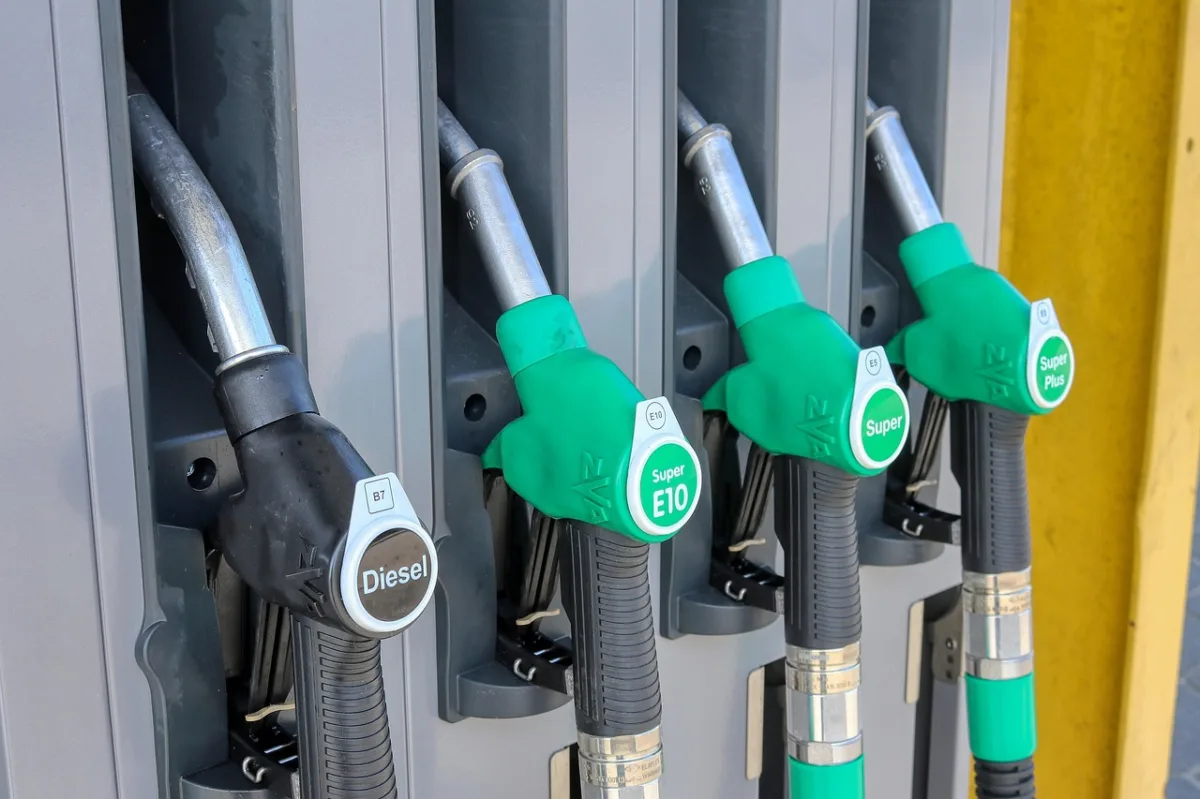
The Indian government has officially eliminated central excise duty on petrol blended with ethanol concentrations ranging between 22% and 30%, a move announced this week to accelerate the nation’s transition toward sustainable energy. This fiscal policy shift, implemented by the Ministry of Finance, aims to lower the retail price of cleaner fuel variants while encouraging oil marketing companies to increase the proportion of biofuels in their supply chains. The policy takes immediate effect across all states, marking a pivotal step in India’s commitment to reducing its heavy reliance on imported crude oil.
Contextualizing India’s Ethanol Roadmap
For several years, India has aggressively pursued an Ethanol Blended Petrol (EBP) program to mitigate its massive energy import bill. The country currently imports over 80% of its crude oil requirements, making its economy highly vulnerable to volatile global market prices.
By mandating and incentivizing higher ethanol blending, the government seeks to leverage domestic agricultural surplus, specifically sugarcane and grain, to produce fuel. This dual-purpose strategy supports the farming sector while simultaneously lowering the carbon intensity of the transport industry.
Expanding the Biofuel Horizon
The decision to waive excise duty for blends between 22% and 30% signals a shift toward higher-tier blending technology. Previous efforts focused primarily on achieving the 20% blending target (E20) by 2025, a goal the government has been tracking closely through its state-run oil companies.
Industry experts note that this tax relief addresses the logistical and technical hurdles associated with higher-blend fuels. While blending up to 20% is relatively compatible with existing modern engines, moving toward 30% requires significant infrastructure upgrades and engine recalibration.
Expert Perspectives on Energy Security
Energy analysts suggest that the fiscal incentive is designed to bridge the cost gap between conventional petrol and high-ethanol alternatives. According to data from the Ministry of Petroleum and Natural Gas, India saved over ₹50,000 crore in foreign exchange through ethanol blending between 2014 and 2022.
“This move is not just about environmental sustainability; it is a strategic economic lever,” says an independent energy market researcher. “By incentivizing the 22-30% range, the government is effectively creating a premium market for domestic biofuels, which will stabilize rural incomes and reduce the fiscal deficit caused by oil imports.”
Industry and Consumer Implications
For the average consumer, the immediate impact may be subtle, but the long-term implications are significant. As oil marketing companies scale up the production of these higher blends, the retail price of petrol could see downward pressure compared to non-blended or lower-blended fuel.
The automotive industry is now tasked with ensuring that vehicles are equipped to handle these higher concentrations. While most new vehicles in India are manufactured to be E20 compliant, further engineering iterations will be necessary to ensure long-term engine durability for E30 fuel usage.
Future Outlook and Next Steps
Market observers are now watching for how quickly oil marketing companies will adjust their blending infrastructure to accommodate the 22-30% threshold. The government is expected to release further guidelines regarding technical standards for fuel dispensers and engine compatibility testing in the coming months.
As India pushes toward its 2070 net-zero target, the expansion of the ethanol program will likely remain a centerpiece of national energy policy. Future developments will focus on the availability of second-generation (2G) ethanol derived from agricultural waste, which will be critical to sustaining these higher blending percentages without impacting food security.