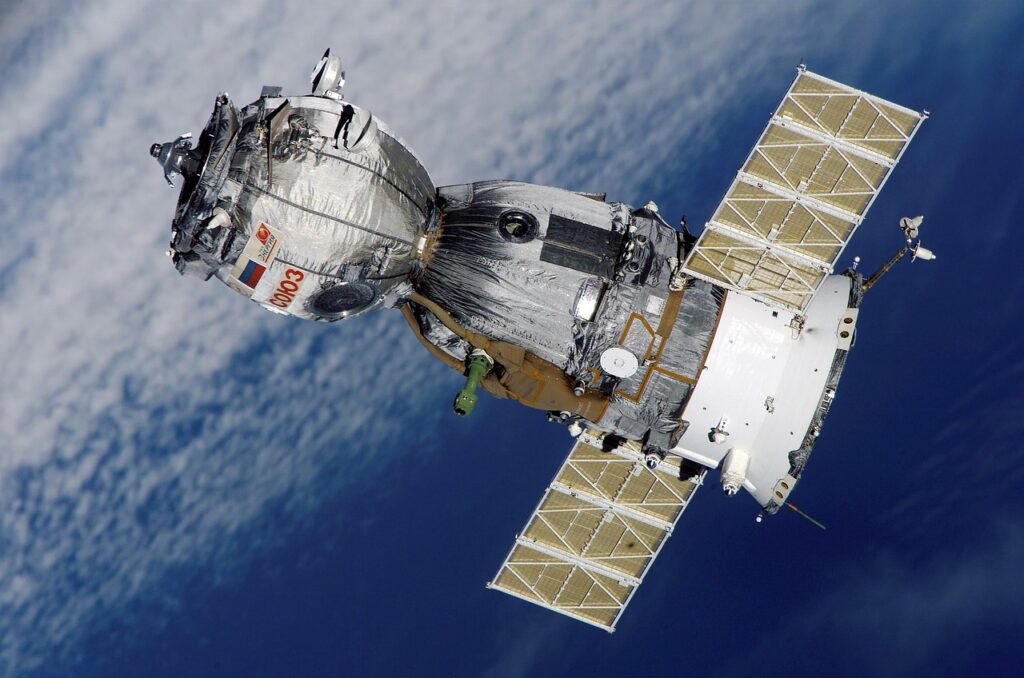

On the heels of Space Exploration Day, astronauts aboard the International Space Station (ISS) continue to redefine the boundaries of human endurance and scientific innovation 250 miles above Earth. Living and working in microgravity, international crews from NASA, ESA, Roscosmos, and JAXA manage a highly structured daily routine designed to combat the physiological tolls of space while executing critical research. This orbital outpost serves as a living laboratory, proving that human adaptability is the ultimate key to unlocking deep-space destinations like Mars.
The Reality of Orbiting 250 Miles Above Earth
Since hosting its first long-duration crew in November 2000, the ISS has remained continuously occupied, serving as a cornerstone of international space cooperation. Orbiting the planet at approximately 17,500 miles per hour, the station completes a full trip around Earth every 90 minutes. This rapid orbit exposes astronauts to 16 sunrises and sunsets each day, completely disrupting the human circadian rhythm. To maintain order, the station operates on Coordinated Universal Time (UTC), forcing astronauts to rely on artificial lighting and strict schedules to regulate their sleep patterns.
The Daily Routine: Working and Thriving in Microgravity
Life aboard the ISS is far from a leisurely drift through the cosmos. According to NASA, astronauts must dedicate at least two and a half hours every day to intensive physical exercise. Without this rigorous regimen, the lack of gravity would cause rapid muscle atrophy and bone density loss, threatening their ability to function upon returning to Earth. Utilizing specialized equipment like the T2 treadmill and the Advanced Resistive Exercise Device (ARED), crew members simulate gravity-based resistance to maintain physical health.
Dietary logistics present another complex layer of orbital life. Food must be carefully prepared, dehydrated, or thermostabilized to prevent spoilage and eliminate crumbs, which could float into delicate instrument panels or astronauts’ eyes. While fresh fruit occasionally arrives via cargo resupply missions from SpaceX or Northrop Grumman, the daily menu relies heavily on rehydratable packages. Water, a precious resource in space, is recycled with near-perfect efficiency through the Environmental Control and Life Support System (ECLSS), which purifies sweat, breath moisture, and urine back into potable drinking water.
Pioneering Science in the Weightless Laboratory
Beyond self-preservation, the primary mission of any ISS crew is scientific advancement. Free from the masking effects of Earth’s gravity, researchers can observe physical and biological processes in their purest forms. For example, experiments on capillary flow have revolutionized fuel delivery systems for satellites, while protein crystal growth studies in microgravity are accelerating the development of targeted cancer therapies. The station operates as a truly international venture, hosting over 3,000 experiments from researchers in more than 100 countries.
Expert Insights on Psychological and Physical Endurance
Space agencies closely monitor the psychological impact of long-duration isolation on crew members. “The psychological challenges of living in a confined space with a small group of people for six months or more cannot be overstated,” says Dr. Gloria Leon, a psychologist who has consulted with NASA on astronaut selection. To combat isolation, astronauts are granted weekly video calls with family and access to a digital library of movies and books.
Furthermore, physiological studies conducted on the ISS yield vital data for terrestrial medicine. Research into ocular changes—often referred to as Spaceflight-Associated Neuro-ocular Syndrome (SANS)—and fluid shifts in the upper body helps scientists understand pressure-related ailments on Earth. These studies also provide the foundational data required to design life-support systems for future multi-year voyages to Mars.
The Future of Orbital Habitats and Deep-Space Missions
As the ISS approaches its planned retirement around 2030, the lessons learned from over two decades of continuous habitation are shaping the next generation of space stations. Private aerospace companies, including Axiom Space and Blue Origin, are already developing commercial orbital habitats to succeed the aging ISS. These new platforms will likely lower the cost of microgravity research, opening the door for private industries to manufacture advanced materials and pharmaceuticals in orbit.
Ultimately, the daily grind of ISS astronauts serves as the blueprint for humanity’s next giant leap. The operational protocols, waste-recycling technologies, and health countermeasures perfected in Low Earth Orbit (LEO) will directly enable the upcoming Artemis missions to the Moon and eventual crewed expeditions to Mars. What we watch next is how these commercial transitions and lunar bases scale up, transforming space from a scientific frontier into a sustainable economy.