






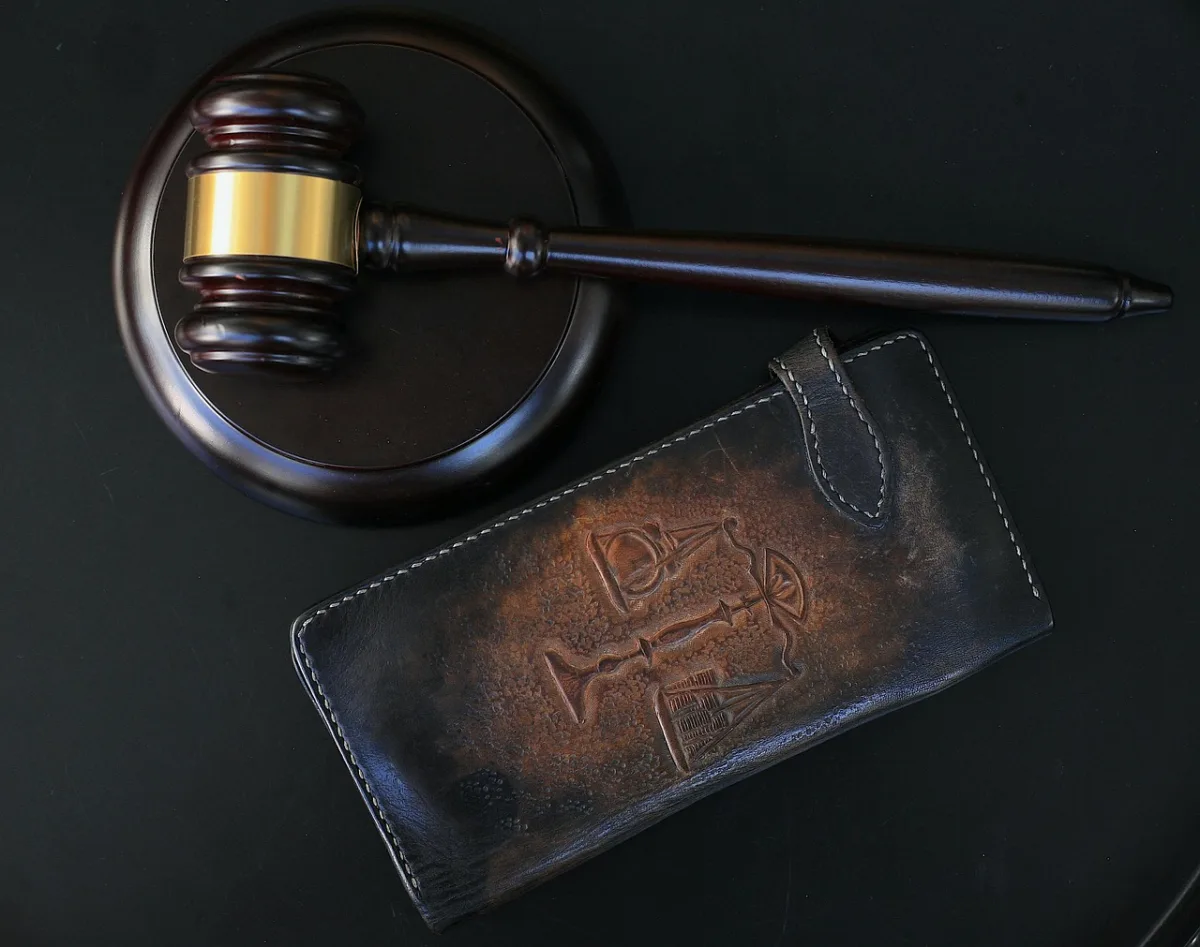
Opening Arguments Commence in High-Stakes Arson Trial
Prosecutors in Los Angeles formally accused 29-year-old Jonathan Rinderknecht on Wednesday of igniting the devastating 2025 Palisades fire as an act of revenge against society. The trial, which began in a Los Angeles Superior Court, seeks to hold the occasional Uber driver accountable for the blaze that claimed 12 lives and destroyed thousands of homes on New Year’s Day 2025.
The Context of the Palisades Disaster
The fire originated in the affluent coastal enclave of the Pacific Palisades, initially appearing as a minor brush fire that firefighters contained within hours. However, investigators later discovered the blaze continued to smolder underground, eventually reigniting under the force of seasonal high winds. The subsequent firestorm consumed approximately 23,000 acres, marking it as the most destructive wildfire event in the recorded history of Los Angeles.
Prosecution Strategy and Defense Arguments
Deputy District Attorney Sarah Jenkins opened the trial by characterizing Rinderknecht as a disgruntled individual who intentionally set the fire to inflict damage on his community. Prosecutors intend to present evidence suggesting the defendant attempted to conceal his involvement immediately after the initial spark was lit. They argue that his actions were premeditated rather than accidental, citing digital footprints and witness testimony as primary pillars of their case.
Conversely, the defense team, led by public defender Marcus Thorne, maintains that Rinderknecht is innocent of all charges. The defense argues that there is no forensic evidence linking the defendant to the ignition point. Instead, they posited that the fire was likely sparked by accidental fireworks set off during New Year’s celebrations, a common occurrence in the region that night.
Expert Perspectives and Forensic Data
Fire forensics experts have noted that determining the exact point of origin in a sprawling 23,000-acre wildfire presents significant logistical challenges. The prosecution’s case relies heavily on burn pattern analysis and atmospheric modeling designed to reconstruct the fire’s behavior in its first crucial hours. Independent fire safety consultants emphasize that the combination of dry brush and high-velocity winds creates a volatile environment where small sparks can rapidly escalate into uncontrollable infernos.
Implications for Future Fire Safety
For residents of Southern California, the trial underscores the ongoing vulnerability of wildland-urban interface zones. The case has already sparked debates regarding municipal fire prevention protocols and whether existing surveillance systems are adequate to detect sub-surface smoldering before high-wind events occur. Industry experts suggest that the outcome of this trial could lead to stricter regulations on residential fire hazards and more robust investigation procedures for suspected arson in high-risk zones.
Looking Ahead
As the trial enters its second week, legal observers are waiting to see if the prosecution can provide a direct link between Rinderknecht and the ignition site. The court will also examine the potential for civil litigation from victims’ families, which could follow a criminal conviction. Future developments to watch include the testimony of key fire investigation specialists and the potential introduction of new digital evidence that may clarify the defendant’s movements on the morning of January 1, 2025.