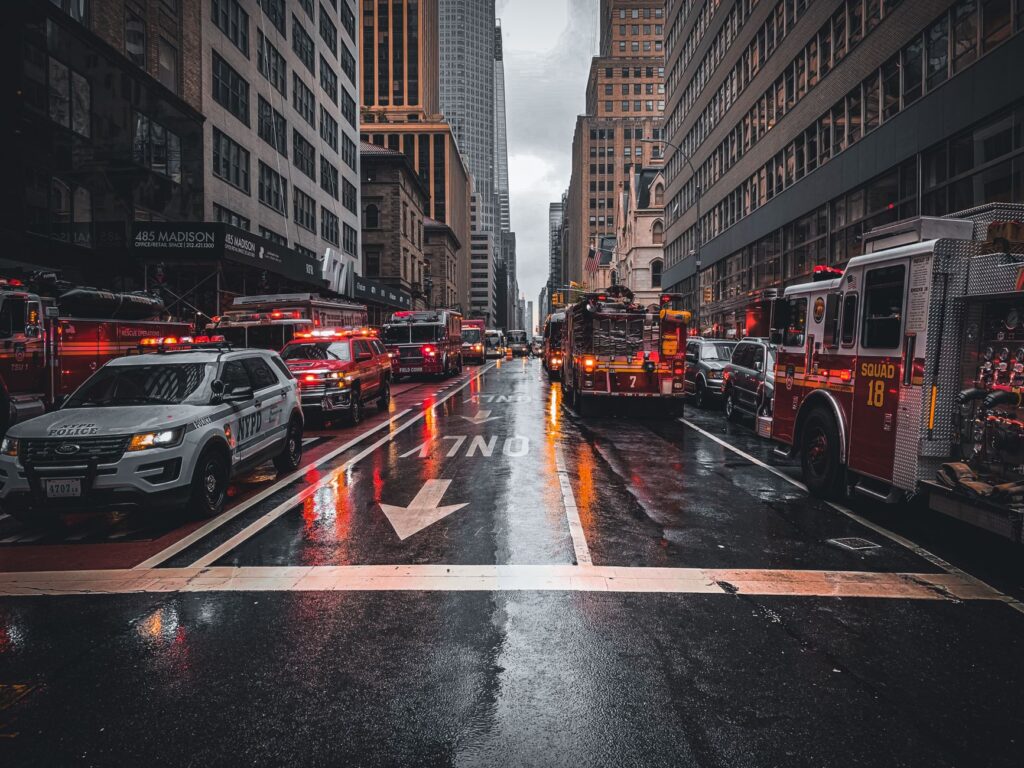

The Tale of Two Cities and Urban Disparities
Recent events in the National Capital Region have highlighted profound fault lines in modern urban development. The tragic deaths of two children in separate incidents have brought renewed attention to the severe deficiencies in civic infrastructure and public safety measures. These heartbreaking losses serve as a grim reminder of the vulnerabilities that persist within rapidly expanding metropolitan areas.
The Illusion of Metropolitan Growth
Modern urban landscapes often project an image of prosperity, technological advancement, and structural modernization. However, beneath the surface of gleaming commercial hubs and upscale residential enclaves lies a starkly different reality. Basic municipal duties frequently remain neglected, leaving vulnerable populations exposed to daily hazards.
A Tale of Two Cities
The stark contrast in how different socioeconomic groups experience urban life is striking. Affluent neighborhoods often enjoy well-maintained public spaces, robust security infrastructure, and prompt municipal intervention. Conversely, marginalized areas are frequently subjected to infrastructural decay, open hazards, and a general lack of civic oversight.
The Human Cost of Municipal Negligence
Infrastructure failures are not merely matters of administrative inconvenience; they carry severe human costs. When municipal authorities fail to maintain public safety standards, the youngest and most vulnerable members of society bear the heaviest burden. The recent tragedies in the Delhi-NCR region underscore the urgent need for accountability among local governing bodies.
Governance and Moral Accountability
The crisis extends beyond physical infrastructure into the realm of moral and ethical governance. Urban planners and local authorities must reevaluate their priorities to ensure that public safety is not compromised for the sake of rapid, unregulated expansion. Civic responsibility requires a commitment to protecting every resident, regardless of their economic standing.
Pathways to Safer Cities
Addressing these systemic issues demands comprehensive reforms in how cities are managed and monitored. Local administrations must implement stricter safety regulations, improve public infrastructure maintenance, and establish transparent mechanisms for reporting hazards. Only through dedicated action can urban centers become genuinely safe for all citizens.