
International Geopolitical Tensions Reach Spanish Politics
The domestic political landscape of Spain has unexpectedly transformed into an international arena for South American diplomacy and ideological conflict. As the nation prepares for a critical electoral showdown, foreign leaders have begun overtly aligning themselves with opposing domestic factions. This unprecedented cross-continental involvement highlights how deeply polarized modern politics has become, stretching far beyond traditional geographic borders.
At the center of this diplomatic phenomenon are two prominent South American figures representing starkly different political ideologies. The ongoing ideological battle between Brazilian leadership and the current administration in Argentina has found a new battleground in the heart of Europe. Observers note that these external endorsements could heavily influence voter perception as the electoral date draws near.
Left-Wing Support for the Incumbent Administration
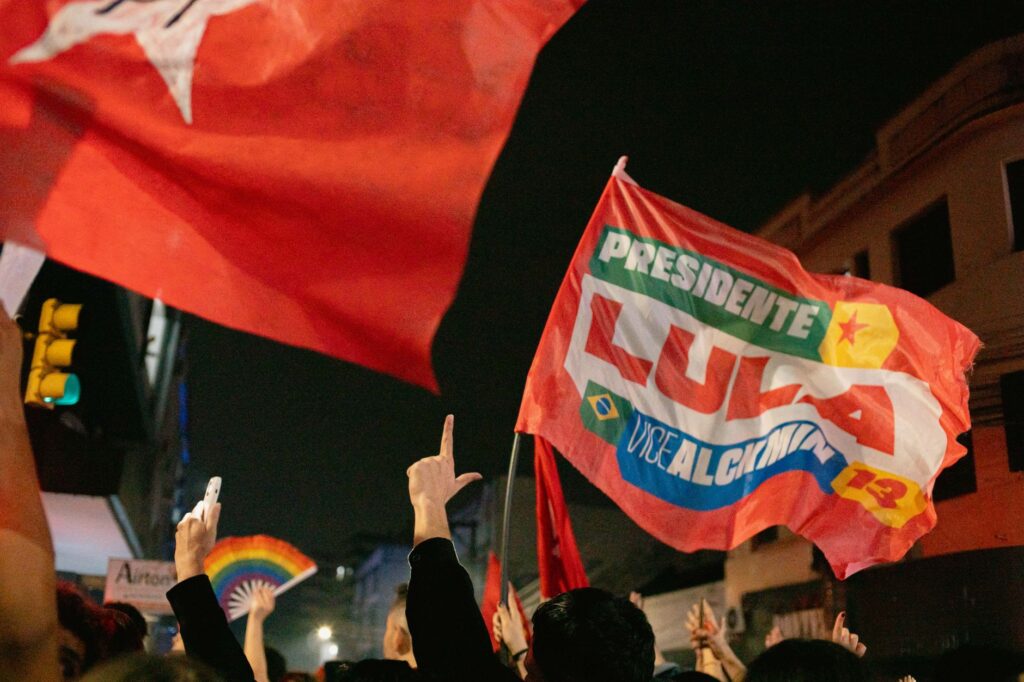
Representing the progressive political spectrum, the leader of Brazil has traveled to Spain to offer direct support to the current prime minister. This diplomatic visit is strategically timed to bolster the incumbent administration ahead of the fast-approaching November vote. By standing alongside local progressive leadership, the Brazilian head of state aims to project international solidarity against the rising tide of conservative movements across the globe.
Political analysts suggest that this alliance is designed to energize the progressive base and emphasize the importance of international cooperation. The incumbent Spanish administration welcomes this high-profile backing, hoping it will draw favorable attention to their economic and social policies. However, critics of the governing party argue that relying on foreign political figures compromises national sovereignty and shifts the focus away from domestic concerns.
Far-Right Alliances and Conservative Counterweight
On the opposite side of the political spectrum, the leadership of Argentina has thrown its weight behind the Spanish far-right party, Vox. Known for his unorthodox economic policies and staunch anti-establishment rhetoric, the Argentine president has established a strong ideological rapport with conservative factions in Spain. This partnership serves as a direct counterweight to the progressive coalition being formed by the incumbent government and its South American allies.
The endorsement from Argentina provides the Spanish far-right with a sense of global momentum, connecting local nationalist movements with broader international networks. Supporters of Vox view this backing as validation of their platform, which emphasizes strict border controls, national sovereignty, and traditional cultural values. Conversely, opponents of the far-right argue that these external associations reveal a dangerous alignment with populist governance models that threaten democratic norms.
Implications for the Upcoming Electoral Battle
As Spain moves closer to the decisive November 29 election, the presence of these foreign political dynamics complicates an already volatile race. Voters are increasingly forced to consider not only domestic economic challenges and social reforms but also how their country positions itself within the broader global framework. The involvement of external leaders threatens to overshadow local issues, turning a national election into a referendum on international ideological alignments.
Ultimately, the outcome of this election will have ripple effects that extend far beyond the Iberian Peninsula. If the incumbent administration manages to secure victory with the help of progressive international allies, it will be viewed as a major triumph for center-left politics in Europe. On the other hand, a surge by the right, bolstered by conservative figures like the Argentine president, could signal a significant shift in the European political balance. The upcoming ballot will thus determine the future trajectory of the nation and test the resilience of its political institutions against the backdrop of global polarization.