









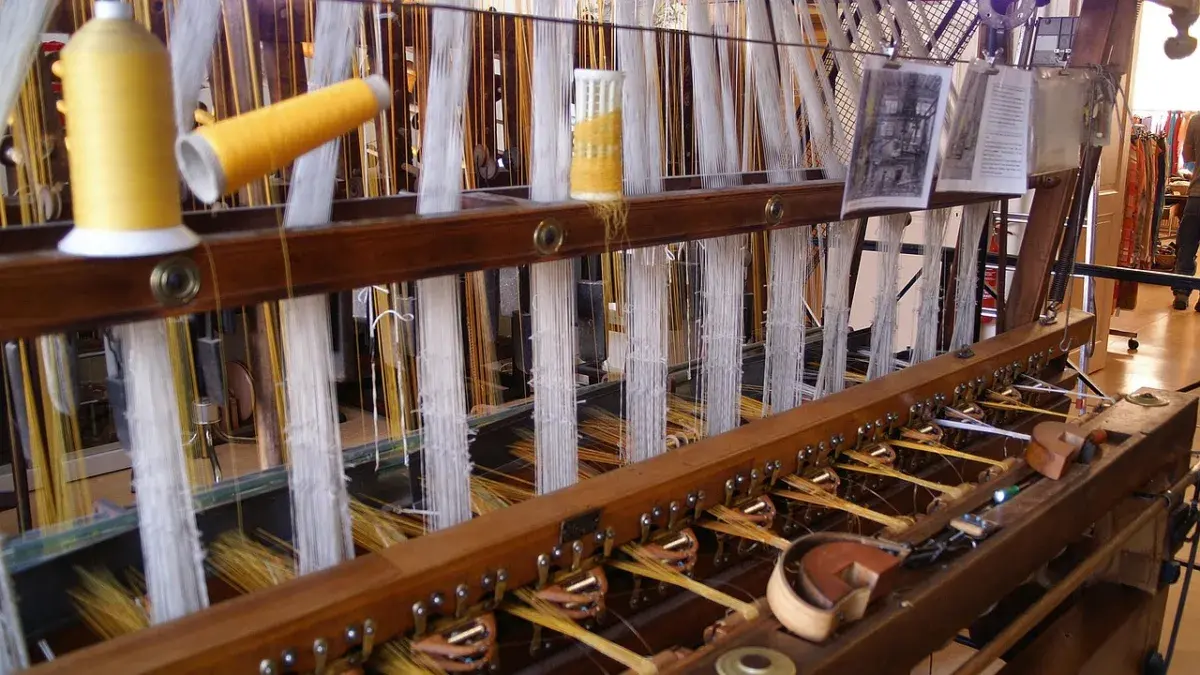
New Expansion in the Textile Sector
The Indian Ministry of Textiles has officially approved 22 additional applicants under the Production Linked Incentive (PLI) scheme for textiles, a move designed to bolster domestic manufacturing and global competitiveness. Announced this week in New Delhi, the initiative aims to catalyze significant growth in the sector by incentivizing companies to scale up production of high-value man-made fiber (MMF) fabrics and technical textiles.
This latest round of approvals is projected to generate a turnover of ₹15,561.34 crore in notified products. Furthermore, the expansion is expected to create 36,217 new employment opportunities across the entire textile value chain, ranging from fiber production to finished garment manufacturing.
Context of the PLI Scheme
The PLI scheme for textiles was launched by the Government of India to address the nation’s historical reliance on cotton and to pivot toward the rapidly growing global market for MMF and technical textiles. By providing financial incentives based on incremental sales, the program seeks to attract large-scale investments and encourage the adoption of advanced manufacturing technologies.
This initiative is a cornerstone of the broader ‘Make in India’ campaign. It aims to elevate India’s position as a global manufacturing hub, shifting the focus from low-value commodities to high-margin products that align with international demand trends.
Economic Impact and Industry Dynamics
The selection of these 22 applicants reflects a strategic focus on segments with high growth potential. Industry analysts note that by diversifying the textile portfolio, India can mitigate the risks associated with raw material price volatility and tap into lucrative export markets, particularly in Europe and North America.
Data from the Ministry of Textiles indicates that the total investment commitment from these applicants is substantial, reflecting a high degree of confidence in the domestic manufacturing climate. The integration of these new players is expected to streamline supply chains and lower production costs through economies of scale.
Labor market experts highlight that the creation of over 36,000 jobs will provide a significant boost to the rural and semi-urban economy. This employment influx is critical, as the textile industry remains one of the largest employers of labor-intensive workforces in the country.
Expert Perspectives
Industry observers suggest that the success of the PLI scheme hinges on the timely implementation of these projects. “The shift toward technical textiles is not just a policy target but a structural necessity,” says an independent manufacturing consultant. “These companies are essentially building the infrastructure for the next decade of Indian textile exports.”
Critics, however, point to the necessity of sustained government support beyond the initial incentive phase. Maintaining competitive energy costs and simplifying logistics remain top priorities for companies aiming to compete with regional manufacturing giants like Vietnam and Bangladesh.
Future Implications
As these 22 companies begin their capital expenditure phases, the industry will closely monitor the impact on export volumes and domestic value addition. Investors should keep a close watch on the quarterly performance reports of firms involved in the MMF segment, as these will serve as key indicators for the long-term success of the PLI policy.
Looking ahead, the focus will likely shift toward sustainability and digitalization. The next phase of policy development may prioritize green manufacturing practices, ensuring that the expansion of the textile sector does not come at the expense of environmental benchmarks.