








Military Operations Intensify in the Middle East
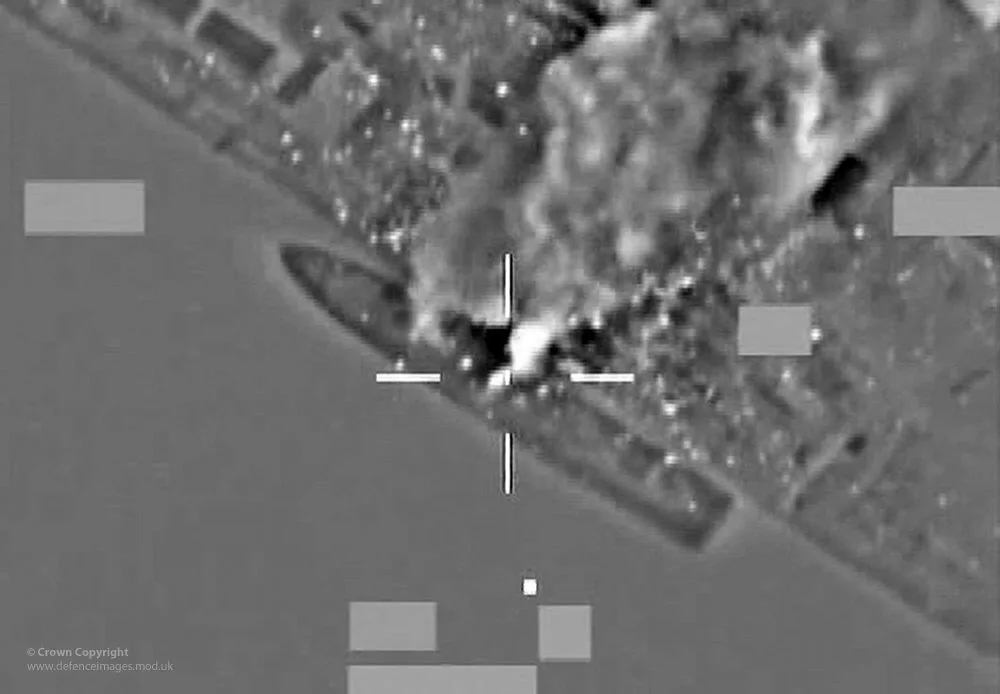
U.S. forces executed a series of targeted strikes against Iranian-linked assets yesterday, marking a significant escalation in regional military activity. The operation, centered on strategic positions used by Iranian-backed proxies, aims to deter further hostilities against American personnel stationed in the Middle East. This move comes as the Biden administration navigates a complex web of geopolitical friction, balancing the need for deterrence with the desire to prevent a broader regional conflict.
Contextualizing the Regional Security Climate
The Middle East has experienced a sustained period of volatility, characterized by frequent skirmishes involving Iranian-aligned militias and Western-aligned military forces. These tensions are historically rooted in a long-standing power struggle for regional influence, often manifesting through proxy conflicts in Iraq, Syria, and Yemen. According to the Department of Defense, recent months have seen an uptick in drone and rocket attacks targeting U.S. bases, necessitating a more robust defensive and offensive posture.
Analyzing the Strategic Rationale
Military analysts suggest that these strikes serve as a calculated signal to Tehran regarding the protection of U.S. interests. By targeting specific logistical hubs and command centers, the U.S. military intends to degrade the operational capacity of militias that have operated with relative impunity. Furthermore, the strikes serve to reassure regional allies who remain concerned about Iran’s expanding influence and its ballistic missile development programs.
Expert Perspectives on Escalation Risks
Strategic experts emphasize that while these strikes demonstrate American resolve, they carry significant risks of retaliation. Dr. Elena Vance, a security analyst at the Center for Strategic and International Studies, notes that the current “gray zone” warfare creates a fragile equilibrium. “Each strike forces a recalibration of the adversary’s risk assessment, but it also increases the likelihood of a miscalculation that could draw both nations into direct confrontation,” Vance stated.
Domestic Political Developments
Concurrently, the political landscape in Washington is shifting as members of Congress scrutinize high-profile figures on unrelated matters. During a recent briefing, House members discussed testimony involving Bill Gates and his past associations with Jeffrey Epstein. While this development remains distinct from the ongoing military operations, it underscores the intense focus on accountability and transparency currently permeating both foreign policy and domestic governance.
Future Implications for Regional Stability
Looking ahead, the effectiveness of these military actions will be measured by the frequency of future attacks on U.S. installations. Observers are closely watching for potential diplomatic channels that might emerge to de-escalate the situation before the conflict spreads further. The coming weeks will likely see increased intelligence gathering and a potential shift toward localized maritime security measures as the U.S. and its partners attempt to contain the maritime threats posed by regional actors.