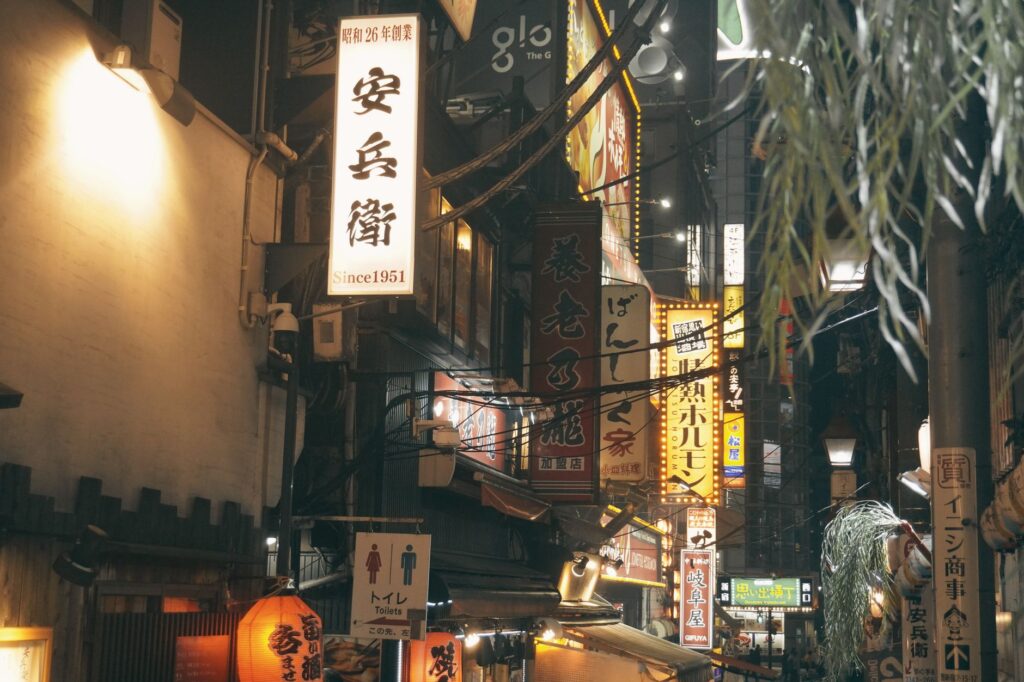

Global travelers are rapidly adopting high-efficiency “micro-itineraries” to conquer Tokyo, Japan, in compact 48-hour windows as international tourism to the country surges to record highs this year. Driven by a historically weak yen and expanded flight networks, these time-crunched visitors are leveraging hyper-localized guides to experience everything from subterranean ramen shops to cutting-edge digital art museums in just two days.
The Post-Pandemic Tourism Surge
According to the Japan National Tourism Organization (JNTO), visitor arrivals topped 3 million per month for multiple consecutive months in 2024, surpassing all pre-pandemic benchmarks. This unprecedented influx has put a premium on time and space, forcing tourists to optimize their stays. Tokyo’s sprawling geography—divided into 23 distinct, self-contained wards—makes traditional city-wide sightseeing exhausting for short-stay visitors.
Consequently, the trend of “station-centric” and “neighborhood-focused” tourism has emerged as the premier strategy for navigating the megalopolis. Instead of attempting to see the entire city, travelers now choose micro-zones, treating individual train stations as self-contained destinations.
Maximizing the Tokyo Transit Hub Strategy
Experienced travelers and local guides recommend anchoring 48-hour itineraries around major transit hubs like Tokyo Station or Shinjuku. Beneath Tokyo Station lies “Ramen Street,” a subterranean culinary hub showcasing regional noodle styles that allows tourists to skip cross-city travel for authentic dining. By focusing on vertical and underground spaces, visitors can access world-class gastronomy, high-end retail, and cultural landmarks without leaving the immediate vicinity of their train line.
The JR Yamanote Line, a loop connecting Tokyo’s major districts, serves as the ultimate logistical spine for these rapid trips. Utilizing prepaid digital transit cards integrated into smartphones, visitors can seamlessly hop between districts in under fifteen minutes. This hyper-efficient transport network enables travelers to compress what used to be a week-long trip into a single, action-packed weekend.
The Convergence of Ancient Tradition and Immersive Tech
A successful two-day itinerary balances Tokyo’s historic past with its futuristic present. In historic neighborhoods like Asakusa, tourists line up at the ancient Senso-ji Temple to draw o-mikuji (paper fortunes) before noon. This ancient ritual provides a quiet, contemplative contrast to the sensory overload of the modern city.
By afternoon, visitors transition to Toyosu to experience teamLab Planets, an immersive, multi-sensory digital art museum that has become one of the most geotagged locations on social media. This contrast highlights Tokyo’s unique appeal: the seamless coexistence of centuries-old rituals and cutting-edge digital landscapes within a single subway ride.
Convenience Culture as a Culinary Destination
While fine dining remains a major draw, Tokyo’s humble konbini (convenience stores) like Seven-Eleven, Lawson, and FamilyMart have evolved into primary culinary destinations for short-term travelers. Food writers note that grab-and-go items, particularly tuna onigiri (rice balls) and egg salad sandwiches, offer high-quality, inexpensive fuel that keeps itineraries moving.
Industry reports from the Japan Franchise Association reveal that convenience store sales have surged alongside international arrivals, driven by viral social media campaigns highlighting affordable Japanese snacks. This reliance on convenience culture allows tourists to bypass lengthy restaurant queues, saving precious hours for sightseeing.
An Industry Shift Toward Micro-Trips
Travel analysts point out that the rise of the 48-hour Tokyo itinerary reflects a broader global shift toward micro-vacations. “Travelers want maximum friction-free exposure in minimal time,” says Kenji Tanaka, a Tokyo-based tourism consultant. Data from travel booking platforms like Klook indicate a 45% year-over-year increase in bookings for single-day, multi-attraction passes in Tokyo.
This demand has prompted local operators to design highly curated, neighborhood-specific packages that eliminate logistical planning for the consumer. Guided food walks, quick-access museum tickets, and luggage forwarding services are now standard offerings aimed at the 48-hour traveler.
The Future of High-Speed Urban Exploration
As Tokyo continues to break tourism records, municipal planners are watching the environmental and social impacts of this concentrated foot traffic. Future developments are likely to focus on dispersing crowds away from over-saturated zones like Shibuya and Shinjuku toward lesser-known neighborhoods. Travelers can expect the integration of more real-time crowd-monitoring apps and AI-driven itinerary planners designed to optimize foot traffic. The success of the 48-hour model in Tokyo will likely serve as a blueprint for other global megacities grappling with overtourism and seeking ways to streamline the visitor experience.