
Global tech consumers and electronics manufacturers are facing unprecedented price increases on personal devices this year as tech giants divert the world’s memory chip supply toward massive artificial intelligence data centers. The rapid expansion of AI infrastructure by hyper-scalers has created a severe global shortage of essential memory components, driving up production costs for smartphones, personal computers, and home electronics across international supply chains.
Decades of Deflationary Tech Trends Upended
For over thirty years, consumer electronics followed a predictable economic curve defined by scale and rapid technological innovation. Laptops, smartphones, and televisions consistently delivered higher performance at lower price points year after year, establishing tech as a reliably deflationary sector.
The rapid maturation and deployment of generative artificial intelligence have shattered this long-standing industry dynamic. As tech giants race to build out AI capabilities, the global semiconductor supply chain is pivoting aggressively toward enterprise infrastructure at the direct expense of consumer hardware.
The AI Data Center Appetite for Memory
Tech conglomerates are deploying hundreds of billions of dollars to construct specialized AI server farms. These massive computing facilities require vast quantities of High Bandwidth Memory (HBM) and high-capacity enterprise solid-state drives (SSDs) to process complex large language models.
In response to lucrative enterprise orders, major memory manufacturers—including Samsung Electronics, SK Hynix, and Micron Technology—are reallocating production capacity away from standard consumer DRAM and NAND flash memory chips. Retooling silicon silicon fabrication plants toward HBM requires significantly more wafer capacity per unit, compounding the drop in standard chip output.
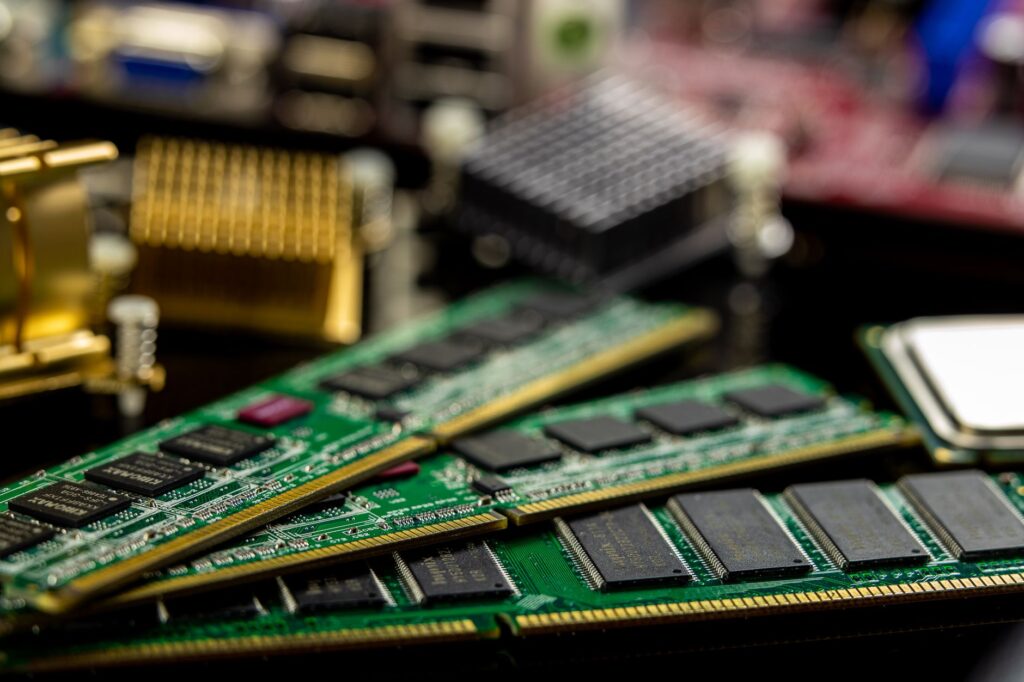
This strategic shift has created an immediate supply deficit for standard memory components across global distribution networks. Computer memory and flash storage drives are suddenly experiencing reduced availability and surging wholesale costs.
Impact on Consumer Hardware and Manufacturing Costs
Hardware manufacturers are already feeling the financial strain of rising component prices. Major device makers, including Apple, Dell, HP, and Lenovo, are facing substantially higher Bill of Materials (BOM) costs as contract prices for memory components surge.
Data from market research firm TrendForce indicates that DRAM contract prices surged by over 15 to 20 percent in recent quarters, with enterprise SSD prices experiencing even steeper increases. Analysts report that memory now accounts for a significantly larger percentage of total manufacturing costs for mid-tier and flagship devices alike.
To protect squeezed profit margins, device vendors are beginning to pass these costs directly onto consumers. Retail prices for premium smartphones, personal computers, and gaming hardware are adjusting upward for the first time in recent memory.
Some personal computer manufacturers are opting to alter product specifications to avoid visible price hikes. Consumers are seeing new baseline laptops shipped with reduced RAM capacity or smaller storage drives, reversing a decade-long trend of routine, free hardware upgrades.
Industry Data and Supply Chain Volatility
Semiconductor analysts emphasize that rebalancing silicon supply is an arduous, time-consuming process. Cleanroom conversions and new fabrication facilities require massive capital expenditure and years of construction before reaching operational volume.
According to research from technology consulting firm Gartner, enterprise spending on AI server hardware will consume an unprecedented share of global semiconductor output through at least 2025. Industry reports show that component lead times for standard memory orders have stretched from weeks to several months.
Supply chain executives indicate that long-term procurement agreements are becoming increasingly unpredictable. Smaller hardware vendors without high-volume purchasing power are struggling to secure necessary chip allocations, leading to production delays and localized inventory shortages.
Market Shifts and What to Watch Next
For everyday buyers, the era of steadily falling personal technology prices has come to a temporary halt. Industry observers predict consumer smartphone and PC upgrade cycles will lengthen significantly as buyers retain older devices longer to avoid inflated replacement costs.
Market analysts are closely monitoring capital expenditure announcements from major chipmakers to gauge when newly planned semiconductor foundries will come online. While SK Hynix, Samsung, and Micron have announced multi-billion-dollar expansion projects in Asia and North America, these facilities are not expected to deliver mass production until late 2025 or mid-2026.
The critical variable over the coming quarters will be whether enterprise AI capital investments remain at current record levels or undergo a market correction. Any deceleration in data center expansion could quickly redirect memory wafer production back toward personal electronics, stabilizing hardware prices for global consumers.