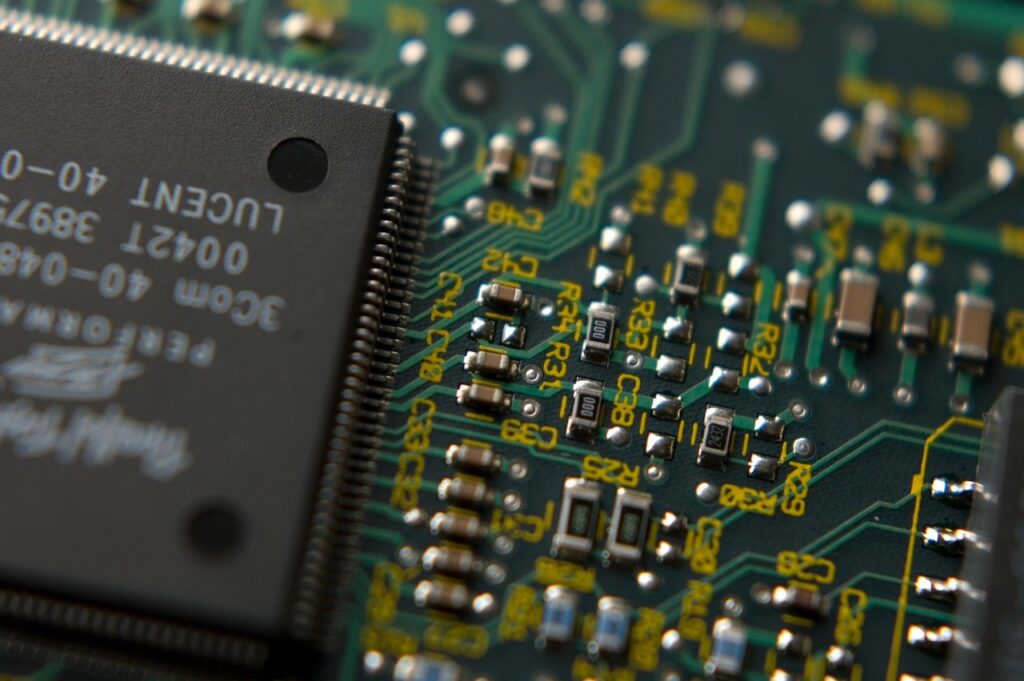

Tech consumers worldwide are facing an unprecedented surge in the prices of smartphones, personal computers, and household electronics this quarter, as the explosive expansion of artificial intelligence data centers drives a severe global shortage of memory microchips. Major semiconductor fabricators in East Asia and North America have reallocated critical manufacturing capacity away from consumer hardware to satisfy the insatiable demand for AI-grade processors. This structural supply shock is breaking a multi-decade trend of falling consumer hardware costs, forcing device manufacturers to choose between shrinking profit margins or passing steep price hikes onto buyers.
Decades of Deflation Reversed by Generative AI
For nearly thirty years, the consumer electronics industry operated under a predictable economic rule: raw computing power and storage capacity became cheaper every year. Thanks to manufacturing efficiencies and advancements defined by Moore’s Law, component costs steadily declined, allowing consumers to buy faster, more capable devices at lower price points.
That deflationary cycle came to a halt following the rapid proliferation of generative artificial intelligence platforms. Training and running large language models requires massive hyper-scale data centers stacked with specialized graphics processing units and ultra-fast memory components. As tech giants invest hundreds of billions of dollars into AI infrastructure, the semiconductor supply chain has experienced an abrupt and violent shift in production priorities.
The Pivot to High-Bandwidth Memory
At the center of the market dislocation is the manufacturing shift toward High Bandwidth Memory, commonly known as HBM. Industry leaders Samsung Electronics, SK Hynix, and Micron Technology have diverted significant wafer production lines from standard consumer-grade DRAM and NAND flash memory to produce high-margin HBM chips tailored for AI accelerators.
Manufacturing high-bandwidth memory chips requires significantly more silicon area and complex vertical stacking processes compared to standard memory. Analysts estimate that producing one gigabyte of advanced HBM chip capacity consumes approximately three times the wafer capacity of traditional DDR5 memory. Consequently, every silicon wafer dedicated to an enterprise AI server directly reduces the volume of memory available for everyday laptops, smartphones, and gaming consoles.
Data Points Highlight Escalating Component Costs
Market intelligence firm TrendForce reports that conventional DRAM contract prices experienced quarter-over-quarter increases of 13% to 18%, with server-grade memory rising even faster. Enterprise NAND flash prices surged over 20% in the same period, creating a compounding cost effect across the entire hardware manufacturing ecosystem.
“We are witnessing a fundamental realigning of the semiconductor supply chain,” said Dr. Elena Rostova, senior semiconductor analyst at TechInsights. “Memory makers are achieving unprecedented profit margins on enterprise AI hardware, giving them little financial incentive to prioritize volume production for consumer devices. The consumer market is now competing directly with deep-pocketed enterprise cloud providers for the exact same silicon resources.”
Cascading Effects on the Electronics Market
The impact of the component squeeze is already hitting consumer-facing brand strategies. PC manufacturers including Lenovo, Dell, and HP have signaled that retail prices for mid-range and premium laptops will rise between 8% and 15% over the next two quarters. Several smartphone vendors are quietly reducing the base memory configurations in upcoming flagship models to avoid exceeding critical retail price thresholds.
Smaller consumer electronics makers face even steeper hurdles. Unlike enterprise giants that secure multi-year supply contracts, smaller brands rely on spot markets where memory prices have surged past pre-boom baselines. Supply chain managers report extended lead times for basic microcontroller units and flash memory chips, delaying product launches across smart home appliances, wearable devices, and automotive infotainment systems.
Strategic Shifts and Corporate Realities
Device manufacturers are attempting to mitigate the cost spikes through alternative engineering solutions. Some manufacturers are re-architecting product designs to utilize older-generation DDR4 memory where possible, though this strategy creates performance trade-offs for modern software applications. Others are offering subscription services or cloud-based software features to offset lower hardware profit margins.
Meanwhile, chip fabricators are committing record capital expenditures to build new fabrication facilities in the United States, Europe, and South Korea. However, modern semiconductor plants require three to five years to become fully operational, offering little immediate relief to current supply chain bottlenecks.
What to Watch Next
Industry observers should monitor the upcoming third-quarter earnings reports from major consumer hardware makers to assess how much cost inflation has been successfully absorbed versus passed down to consumers. Additionally, track whether major chipmakers announce emergency capacity re-allocations back toward consumer DRAM if consumer demand slumps under the pressure of higher retail prices. The long-term equilibrium between AI infrastructure buildouts and personal electronics pricing will largely depend on how quickly next-generation fabrication plants can come online over the next 18 to 24 months.