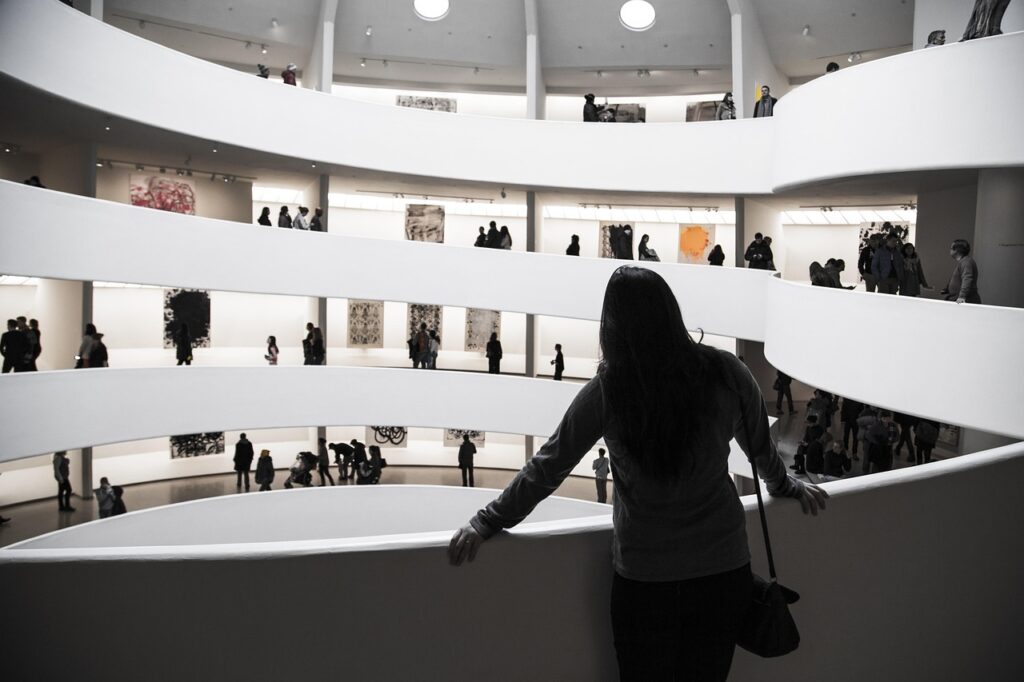

The Intersection of Identity and Space
The Lalit Kala Akademi in Chennai is currently hosting ‘Landscapes of Belonging,’ a multifaceted exhibition presented by Madras Art Weekend that interrogates the shifting definitions of home in the contemporary era. Running throughout this month, the showcase brings together a diverse cohort of artists who utilize painting, photography, mixed media, ceramics, and sculpture to explore how personal identity intersects with physical and emotional environments.
Contextualizing the Concept of Home
In an increasingly mobile global society, the traditional understanding of ‘home’ as a fixed geographic location has become fluid. This exhibition draws on the broader discourse surrounding migration, urbanization, and the psychological resonance of ancestral spaces. By gathering works from various disciplines, the curators aim to provide a comprehensive view of how individuals anchor themselves in a rapidly changing world.
Diverse Artistic Interpretations
The exhibition features a wide range of mediums that challenge the viewer to reconsider their surroundings. The ceramics and sculpture installations offer a tactile exploration of domesticity, while the photography series documents the subtle, often overlooked details of urban living. These pieces do not merely depict spaces; they investigate the emotional weight held by the items and architectures that constitute a private sanctuary.
Painting serves as a cornerstone of the exhibition, with artists employing both abstract and figurative styles to articulate themes of displacement and belonging. These works often juxtapose traditional cultural motifs with modern urban landscapes, highlighting the friction between heritage and progress. Mixed media works further bridge this divide, incorporating found objects that carry historical and personal narratives.
Expert Perspectives and Data
Curators behind the Madras Art Weekend note that the selection process was driven by a desire to represent a spectrum of experiences, from the hyper-local to the global. According to recent sociological data from urban development studies, the concept of ‘home’ is increasingly defined by social networks and digital connectivity rather than physical property ownership alone. This shift is reflected in the experimental nature of the works on display, which often prioritize internal states over external representations of dwelling.
Critics have observed that the inclusion of diverse media allows for a more nuanced dialogue about accessibility in the arts. By blending traditional crafts like ceramics with contemporary digital-influenced photography, the exhibition bridges the gap between disparate artistic communities. This approach provides a platform for both established masters and emerging voices to contribute to a singular, cohesive narrative.
Future Implications for the Industry
The success of ‘Landscapes of Belonging’ suggests a growing appetite for interdisciplinary exhibitions that prioritize thematic depth over singular artistic movements. For the broader art industry, this trend signals a move toward more collaborative curatorial practices that emphasize cultural relevance and public engagement. As these exhibitions continue to evolve, observers should monitor how institutions adapt their programming to reflect the fluid nature of modern identity.
Looking ahead, the impact of such exhibitions will likely influence how regional galleries curate their annual calendars. Future developments may include an increase in community-led art projects that physically manifest the themes of belonging, moving the conversation from the gallery walls into the public sphere. Stakeholders in the arts sector should watch for increased investment in mixed-media facilities that allow for these complex, multi-sensory installations to be produced on a larger scale.