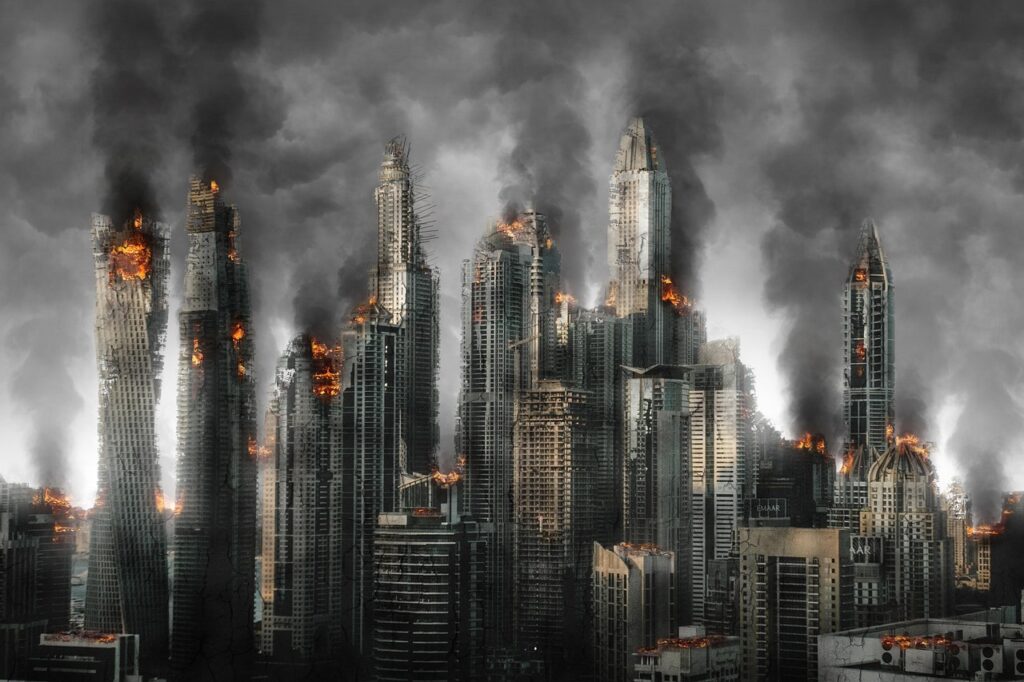

Tragedy Strikes Across Three Continents
Three firefighters died while battling a fast-moving wildfire on the Colorado-Utah border this weekend, joining a series of global disasters that include catastrophic flooding in Kentucky and a staggering death toll in Venezuela following a sequence of powerful earthquakes.
Emergency response teams in the American West are currently struggling to contain the blaze, which has been exacerbated by record-breaking temperatures and persistent drought conditions. Meanwhile, rescue operations in Kentucky are underway as historic rainfall levels trigger widespread flash flooding, displacing residents and destroying local infrastructure.
The Context of Escalating Natural Disasters
The events of June 28 underscore a growing global trend in which extreme weather events are becoming more frequent and severe. Meteorologists and disaster management experts have pointed to shifts in atmospheric patterns that fuel both prolonged heatwaves and intense precipitation events.
In the United States, the wildland-urban interface has become increasingly hazardous as development pushes further into fire-prone territories. In Kentucky, the topography of the region, combined with saturated ground from preceding storms, has created a scenario where even moderate rainfall leads to life-threatening inundation.
Operational Challenges and Human Cost
The loss of three firefighters in the Colorado-Utah border region serves as a stark reminder of the risks faced by first responders. Specialized crews are currently navigating rugged, inaccessible terrain where traditional fire suppression tactics are often limited by volatile wind conditions.
Data from the National Interagency Fire Center indicates that the fire season is beginning earlier and lasting longer than in previous decades. This shift places significant strain on human resources and equipment, as agencies face simultaneous demand for personnel across multiple states.
In Kentucky, the focus has shifted to search and rescue. Local officials are working with the National Guard to reach isolated communities cut off by washed-out roads and bridge failures. The sheer volume of water has overwhelmed local drainage systems, forcing a massive mobilization of state resources.
International Crisis: The Venezuela Earthquake
The international community is reeling from reports out of Venezuela, where the death toll from recent seismic activity has officially surpassed 1,400. International aid organizations are currently mobilizing to provide medical support, clean water, and temporary shelter to thousands of displaced individuals.
Seismologists note that the region is prone to tectonic shifts, but the intensity of these recent tremors has presented a logistical nightmare for local authorities. The collapse of critical healthcare infrastructure and telecommunications has hampered efforts to coordinate relief, complicating the search for survivors buried under the rubble of urban centers.
Implications for Future Preparedness
These concurrent disasters highlight the necessity for a robust, global approach to climate resilience and disaster mitigation. For the industry, this means an increased emphasis on early warning systems and the hardening of infrastructure against both seismic and meteorological threats.
Looking ahead, policymakers are expected to debate the allocation of federal disaster relief funds and the integration of satellite technology for real-time risk assessment. Observers should watch for new legislation aimed at improving the safety protocols for wildland firefighters and the implementation of more stringent building codes in earthquake-prone zones globally.