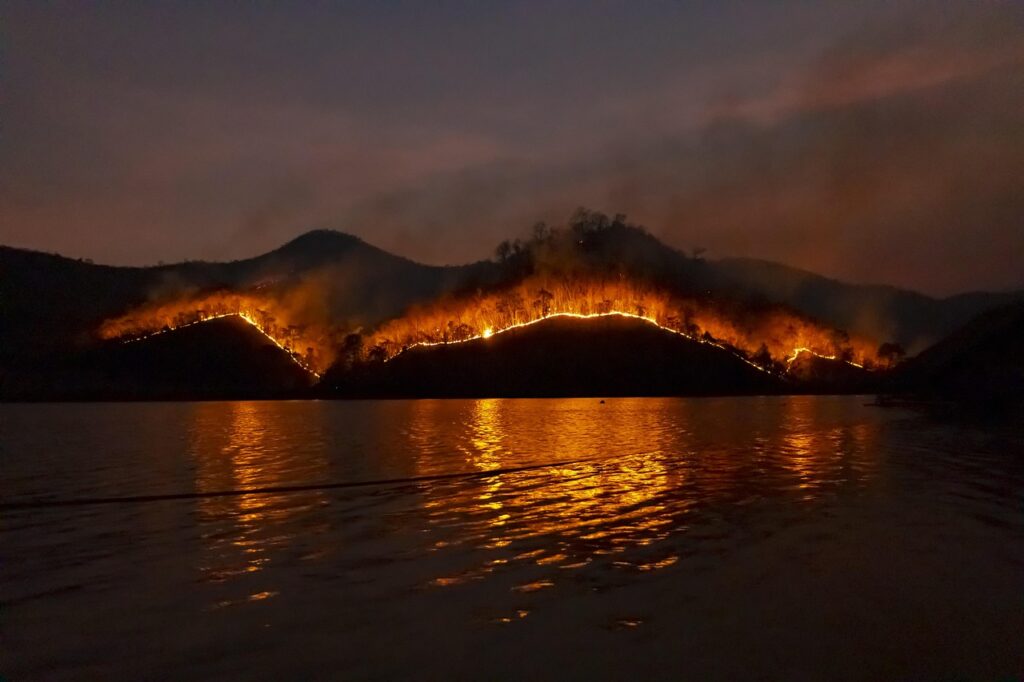

Tragedy Strikes on Multiple Fronts
Three firefighters died and two others sustained severe burn injuries while battling a rapidly spreading wildfire along the Colorado-Utah border earlier this week, marking a grim escalation in the ongoing fire season. Simultaneously, extreme weather systems have triggered catastrophic flash flooding across Kentucky, resulting in at least four confirmed fatalities. These concurrent disasters underscore the intensifying volatility of climate-related threats facing the United States as emergency responders grapple with simultaneous regional crises.
Context of the Wildfire Crisis
The fire in the Colorado-Utah border region has been fueled by prolonged drought conditions, high temperatures, and erratic winds that characterize the current western landscape. Wildland fire management has become increasingly complex as fire seasons lengthen and intensity levels breach historical norms. The incident highlights the inherent dangers faced by crews operating in remote, rugged terrain where rapid fire behavior can outpace escape routes.
Detailed Impact of the Kentucky Flooding
In Kentucky, the situation remains fluid as emergency teams conduct search and rescue operations in areas devastated by sudden, torrential downpours. The flooding has caused significant infrastructure damage, washing out roads and submerging residential neighborhoods in low-lying regions. Meteorologists attribute the severity of the floods to a stalled weather system that dumped record-breaking rainfall in a short duration, overwhelming local drainage systems and river basins.
Expert Analysis and Operational Challenges
According to data from the National Interagency Fire Center, the frequency of large-scale wildfires has risen steadily over the last decade, placing unprecedented pressure on firefighting personnel. Experts suggest that the intersection of extreme heat and localized atmospheric instability creates a ‘perfect storm’ scenario for emergency services. ‘When we see these high-consequence events occurring in different parts of the country at the same time, it stretches our national resource mobilization to its breaking point,’ notes a disaster management analyst.
Implications for Future Emergency Preparedness
The loss of life in these two distinct theaters of disaster highlights a critical need for enhanced communication and resource allocation strategies at the federal and local levels. For the public, these events serve as a stark reminder of the importance of maintaining situational awareness and adhering to evacuation orders during extreme weather events. The industry is now looking toward technological integration, such as advanced satellite tracking and real-time hydrological modeling, to better predict and mitigate the impact of such rapid-onset disasters.
Looking Ahead
As recovery efforts move into the next phase, officials are closely monitoring the potential for secondary hazards, including landslides in Kentucky and shifting wind patterns in the Colorado-Utah region. Observers are also watching for federal policy shifts regarding wildfire funding and infrastructure resilience, as the frequency of such dual-threat events is projected to rise in the coming years. Monitoring the effectiveness of inter-agency coordination during these concurrent crises will be essential for refining future disaster response protocols.