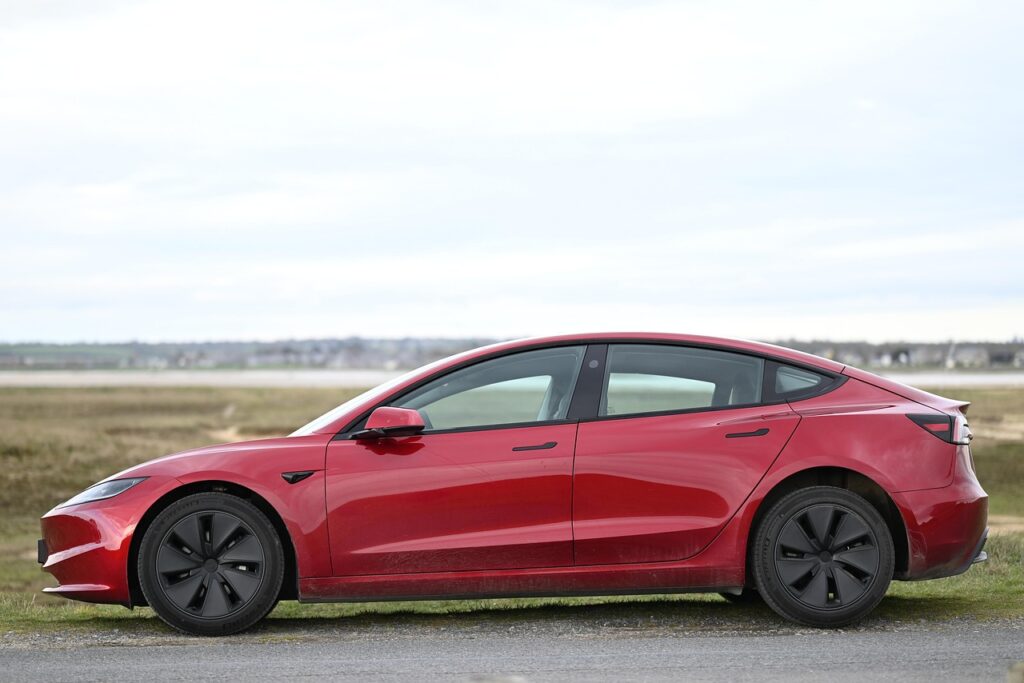

Chinese automaker BYD surpassed Tesla as the world’s leading seller of fully electric vehicles last year, according to industry reports. This significant shift occurred despite the United States market remaining largely closed to Chinese automotive imports due to stringent trade barriers. Analysts attribute this milestone to decades of strategic state support and private innovation within China’s domestic manufacturing sector.
For years, Beijing heavily subsidized its domestic electric vehicle industry, encouraging rapid technological advancements and establishing a robust supply chain. According to official data, these long-term investments have successfully reduced production costs and improved battery efficiency across Chinese manufacturing hubs. Consequently, domestic brands captured a massive share of local buyers before expanding aggressively into international markets across Europe, Asia, and Latin America.
Recent developments highlight the growing competitive pressure facing legacy automakers in the West. While Chinese brands continue to scale production and lower consumer prices, American and European manufacturers struggle to match similar cost structures. In response to this rapid market penetration, governments in the West have implemented protective tariffs and trade restrictions to shield local industries from foreign competition.
Economic experts warn that while tariffs may offer temporary relief to domestic automakers, they could ultimately hinder long-term innovation and competitiveness. Restricting foreign competition might reduce the incentive for Western companies to accelerate their own research and development cycles. Furthermore, higher import duties could limit consumer choice and keep electric vehicle prices artificially elevated, potentially slowing the global transition toward sustainable transportation.
Industry observers will closely monitor upcoming trade policy decisions and market share data in key developing economies. The ongoing rivalry between established Western brands and rapidly scaling Chinese manufacturers will likely dictate the trajectory of the global automotive sector for the next decade. Stakeholders must watch how regulatory frameworks adapt to an increasingly globalized and competitive supply chain.
Disclaimer: This article is published for general news and informational purposes only. While every effort has been made to ensure accuracy, readers are advised to verify important information from official sources. The publisher shall not be responsible for any loss or inconvenience arising from reliance on the information published.