
Agricultural producers in Quebec are currently operating at a significant financial loss following a sharp decline in agricultural exports to the United States. This economic downturn stems from an ongoing U.S. cyclosporiasis outbreak linked to imported leafy greens, which has severely dampened consumer demand.
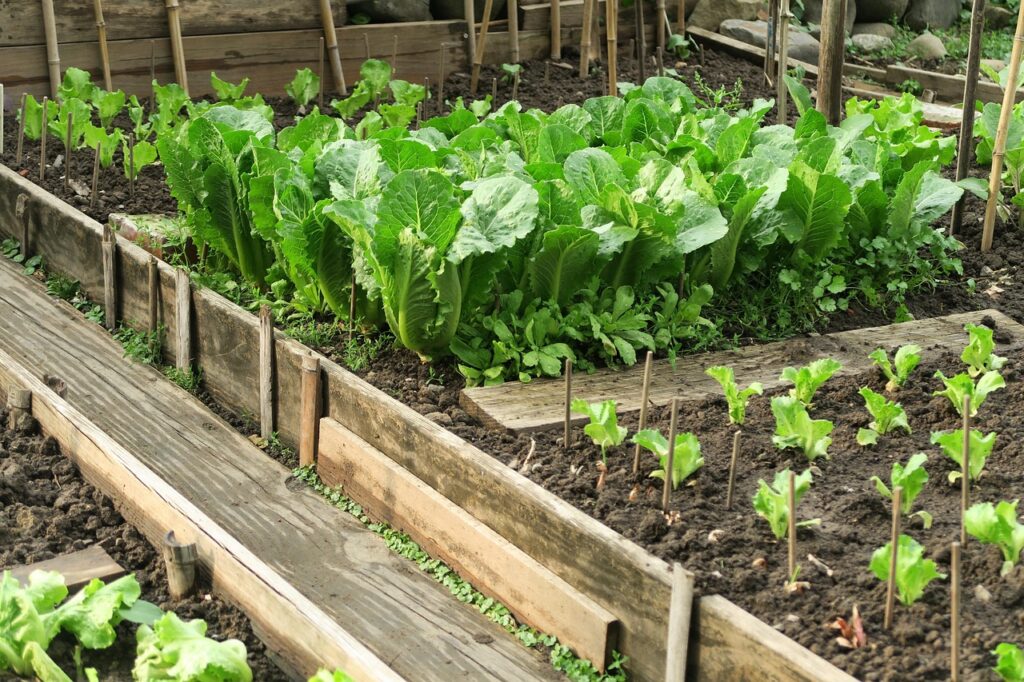
Approximately half of all lettuce cultivated in the Canadian province is typically destined for American markets during the peak harvest season. However, recent food safety concerns have disrupted normal trade patterns, leaving local farmers with unsold produce and plummeting revenues.
Cyclosporiasis is an intestinal illness caused by a microscopic parasite, often transmitted through contaminated fresh produce. Public health agencies in the United States have intensified surveillance efforts following the identification of multiple cases tied to imported vegetables. While Canadian health authorities confirm that domestic infection rates remain low, international supply chains have experienced immediate repercussions.
According to reports from agricultural associations, border rejections and voluntary trade slowdowns have created a severe supply bottleneck. Wholesalers and retailers in the United States have scaled back orders to mitigate liability and rebuild consumer confidence. Consequently, Quebec farmers are struggling to offload perishable crops before they spoil in storage facilities.
Official data shows that regional growers are absorbing heavy financial burdens as harvesting costs continue to outpace declining market returns. Many producers lack the cold-storage infrastructure necessary to hold large volumes of mature lettuce for extended periods. Industry representatives indicate that profit margins have evaporated entirely, threatening the viability of numerous family-owned farms across the province.
The current crisis highlights the vulnerability of cross-border agricultural trade to sudden health-related disruptions. Economists warn that prolonged export stagnation could lead to higher domestic supply, potentially depressing prices within the local Canadian market as well. Consumers may notice temporary fluctuations in vegetable availability and pricing as the sector adjusts to shifting demand dynamics.
Observers will monitor upcoming public health updates from American food safety regulators to gauge when consumer confidence might recover. Additionally, industry stakeholders await potential financial relief measures or trade facilitation assistance from provincial and federal agricultural departments. The long-term recovery of the sector depends heavily on the swift containment of the outbreak and the normalization of export channels.
Disclaimer: This article is published for general news and informational purposes only. While every effort has been made to ensure accuracy, readers are advised to verify important information from official sources. The publisher shall not be responsible for any loss or inconvenience arising from reliance on the information published.