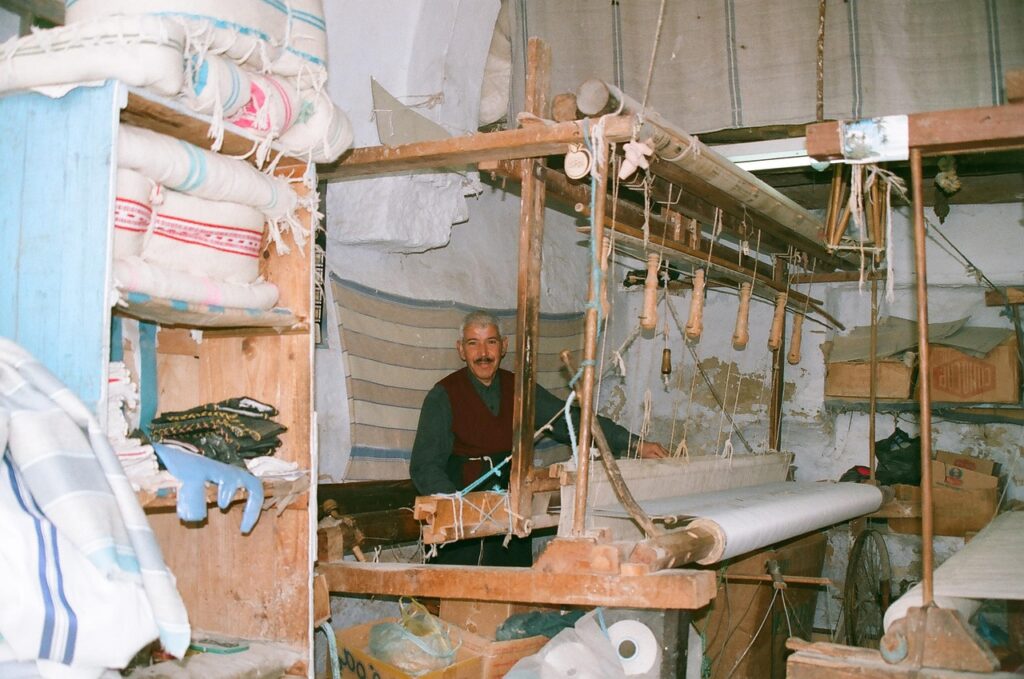

The historic handloom industry in Kannur, historically celebrated as the ‘Manchester of Kerala’, is currently confronting a severe existential crisis driven by financial distress, technological shifts, and a rapidly shrinking workforce. Once a booming textile hub that provided robust employment across the region, the sector now struggles against delayed wage disbursements, mounting operational losses, and the dominant expansion of automated power looms.
Official data indicates a steep decline in the industry’s human capital over recent years, with the total number of active handloom workers plunging from an estimated 25,000 to 30,000 down to approximately 18,000 today. Simultaneously, the cooperative societies that traditionally served as the backbone of production and worker support have dwindled from roughly 600 to around 450.
According to reports, the primary drivers behind this contraction include intense market competition from low-cost power loom fabrics and persistent cash flow bottlenecks within cooperative societies. These financial constraints frequently result in delayed wage payments, alienating veteran weavers and discouraging younger generations from entering the traditional craft.
The ongoing decline threatens not only the livelihoods of thousands of artisan families but also the rich cultural heritage and artisanal expertise unique to northern Kerala. Economic analysts note that the erosion of this labor-intensive sector impacts local supply chains and diminishes the state’s traditional handicraft export capabilities.
Industry stakeholders and government bodies are currently evaluating potential revival strategies, focusing on modernized marketing, direct-to-consumer digital channels, and enhanced financial subsidies for weaver cooperatives. Observers will closely monitor upcoming policy announcements and budgetary allocations to determine whether structural interventions can successfully stabilize the sector.
Disclaimer: This article is published for general news and informational purposes only. While every effort has been made to ensure accuracy, readers are advised to verify important information from official sources. The publisher shall not be responsible for any loss or inconvenience arising from reliance on the information published.