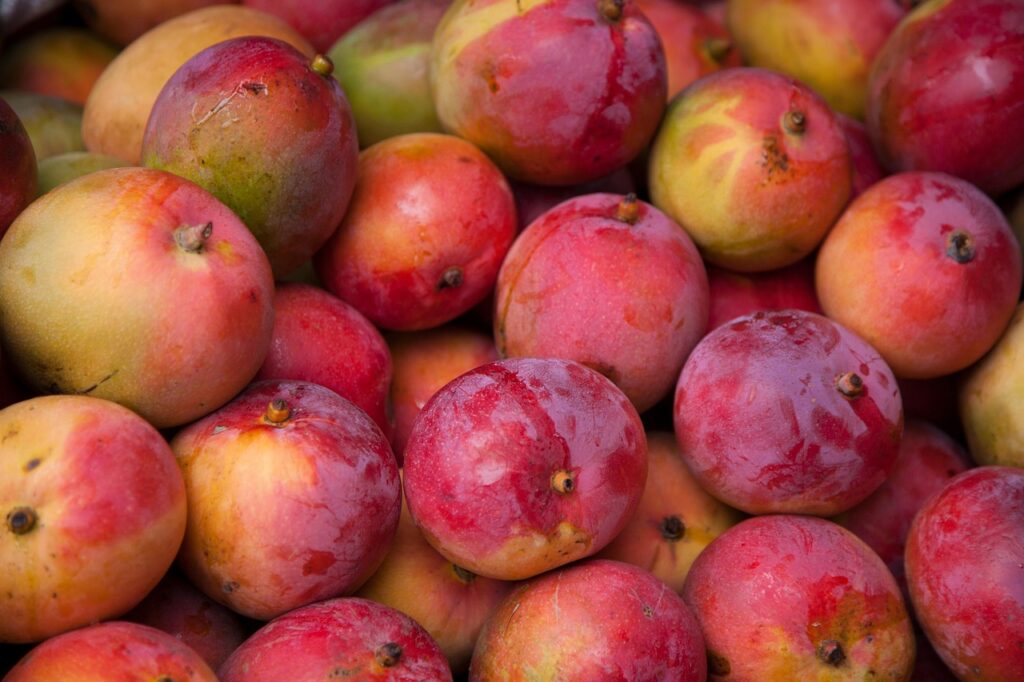

The Guardians of Ancient Orchards
Farmers across the states of Kerala, Karnataka, Tamil Nadu, and Telangana are championing a quiet revolution in agricultural biodiversity this harvest season by identifying and preserving rare, heirloom mango varieties that remain largely unknown to the global commercial market. By moving beyond the ubiquitous Alphonso and Banganapalli, these cultivators are highlighting regional gems like the fibrous, sweet Sappattai of Tamil Nadu and the pungent, pickling-perfect Appemidi of Karnataka, asserting that the future of the mango industry lies in the protection of indigenous genetic diversity.
The Context of Cultural Heritage
For centuries, South India has served as a crucible for mango cultivation, with each district boasting specific micro-climates that favor distinct cultivars. While modern supply chains prioritize varieties with long shelf lives and uniform aesthetics, many traditional farmers have continued to tend to ancestral trees that provide superior flavor profiles and unique culinary applications. These heirloom varieties are not merely crops; they represent a living history of regional agricultural practices that have been passed down through generations.
Diverse Profiles of the South
In Tamil Nadu, the Sappattai mango remains a favorite among local growers for its distinct texture and balanced sweetness, a stark departure from the syrupy intensity of mass-market fruits. Meanwhile, in the Western Ghats of Karnataka, the Appemidi variety is prized not as a table fruit, but as the gold standard for traditional Indian pickles, valued for its aromatic skin and ability to retain crispness. Farmers in Telangana and Kerala echo these sentiments, frequently citing small-batch, local varieties that offer a complexity of flavor—ranging from spicy notes to floral undertones—that larger commercial hybrids often lack.
The Economic and Ecological Imperative
Data from agricultural biodiversity studies suggests that over-reliance on a handful of commercial mango varieties increases vulnerability to pests and climate-induced crop failures. By cultivating a wider array of heirloom species, farmers are creating a more resilient ecosystem that can better withstand the shifting weather patterns currently affecting the Indian subcontinent. Experts in pomology note that these lesser-known fruits often require fewer chemical inputs, as they have naturally adapted to their local environments over centuries of selective breeding.
Looking Toward a Sustainable Future
The implications of this shift are significant for both the agricultural sector and the culinary industry, as chefs and consumers increasingly seek out authentic, regional ingredients. This trend signals a potential move toward “niche-market” mango farming, where the value of a crop is determined by its botanical rarity and historical significance rather than volume alone. As climate change continues to threaten traditional growing regions, the preservation of these heirloom mangoes will likely become a critical component of food security. Observers should watch for new initiatives in agricultural heritage labeling and the establishment of biodiversity orchards, which aim to catalog and protect these rare specimens from the pressures of industrial monoculture.