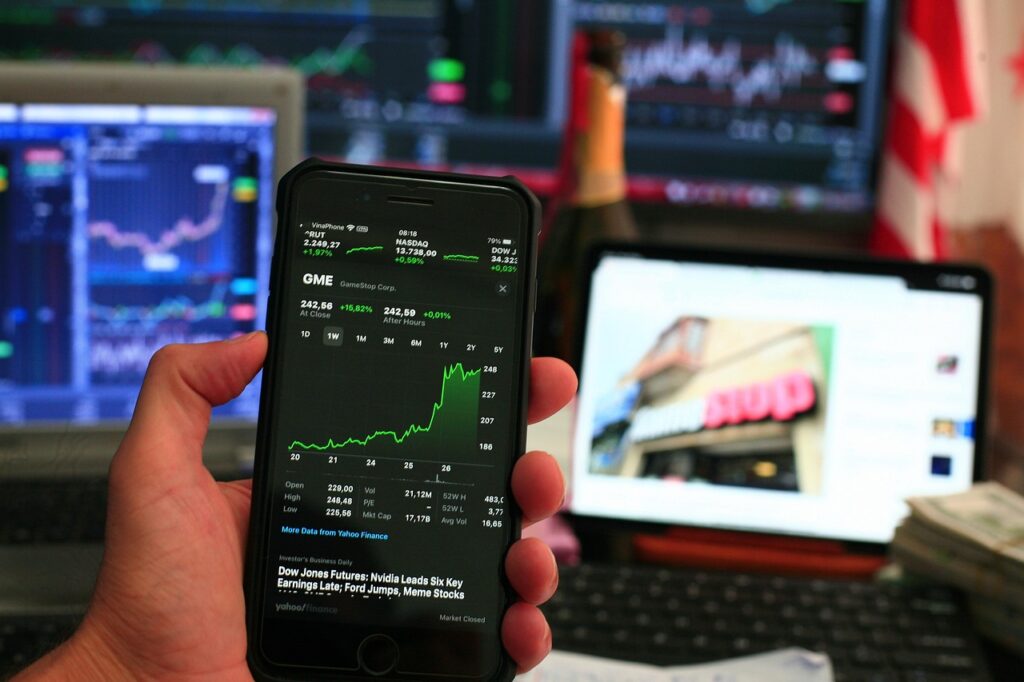

Market Volatility Resurges
Global stock markets opened in the red during early trading hours today as a sudden escalation in geopolitical tensions rattled investor confidence worldwide. The sharp downturn reflects a broader flight to safety, with market participants retreating from riskier assets in favor of gold and government bonds as uncertainty regarding international stability takes center stage.
The Context of Current Market Instability
The decline follows a period of relative calm in global equities, which had been buoyed by optimistic inflation data and corporate earnings reports. However, the renewed conflict has disrupted this positive momentum, forcing traders to reassess risk premiums across major indices. Financial analysts note that geopolitical shocks traditionally trigger immediate sell-offs, though the long-term impact typically depends on the duration and severity of the underlying crisis.
Sector-Specific Resilience
Despite the prevailing negative sentiment, select stocks managed to buck the downward trend during early market activity. Companies such as Eternal, Trent, Asian Paints, and Tech Mahindra emerged as notable gainers, demonstrating relative resilience against the broader market correction. Market observers suggest that these stocks may be benefiting from specific growth catalysts or defensive positioning that shields them from macro-economic volatility.
Expert Perspectives on Market Dynamics
Data from market tracking firms indicates that the volatility index, often referred to as the ‘fear gauge,’ saw a significant uptick in the opening hours of the session. Financial strategists at leading investment banks emphasize that while the current dip is driven by sentiment, the fundamentals of global trade remain vulnerable to supply chain disruptions if the geopolitical situation deteriorates further. According to recent reports from the International Monetary Fund, such volatility often precedes a temporary contraction in cross-border capital flows as institutional investors adopt a ‘wait-and-see’ approach.
Implications for the Financial Landscape
For individual investors, this market shift highlights the importance of asset allocation and the risks associated with heightened geopolitical instability. Increased market sensitivity suggests that portfolios heavily weighted toward high-growth, high-beta stocks may face continued pressure in the coming weeks. Wealth management professionals advise that maintaining a diversified portfolio remains the primary defense against localized market shocks that arise without warning.
What to Watch Next
Market participants are now closely monitoring diplomatic developments and their potential impact on global oil prices and currency markets. Future sessions will likely focus on whether the early gains in resilient sectors can sustain their momentum or if the broader market decline will deepen. Key indicators to watch include central bank statements regarding liquidity and any shifts in institutional hedging strategies as the geopolitical situation evolves.