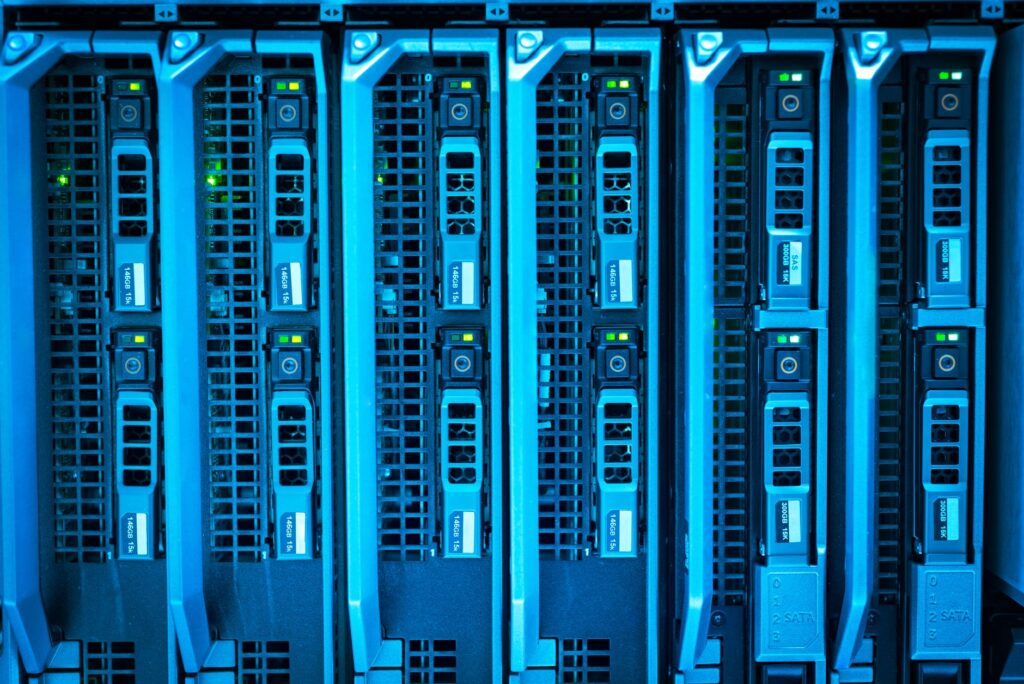

Rapid advancements in artificial intelligence and the exponential growth of cloud computing are driving an unprecedented surge in demand for data centres globally. According to official reports, these massive digital infrastructure facilities consume staggering amounts of electricity and water to maintain optimal operational temperatures. Despite facing severe domestic water shortages, several regional governments continue to approve and welcome multi-billion-dollar data centre developments.
The digital economy relies heavily on physical infrastructure that requires constant cooling systems to prevent hardware failures. Official data shows that a typical hyperscale data centre can consume millions of litres of water daily, often drawing directly from local municipal supplies. This heavy reliance on shared water resources places immense pressure on municipal utilities, particularly in arid regions experiencing prolonged droughts.
Background assessments indicate that the intersection of climate change and digital expansion creates a complex resource management challenge for policymakers. While technological innovation drives economic growth, it simultaneously accelerates the depletion of vital natural resources. Energy grids face similar strains, as data centres demand continuous, high-capacity power supplies that frequently rely on fossil fuels.
Recent developments highlight a growing friction between local communities and technology conglomerates expanding into water-stressed areas. According to industry reports, several states have announced new tax incentives to attract data centre investments despite public pushback regarding resource allocation. Environmental advocates argue that these projects threaten local agricultural sectors and residential water security.
The economic impact of this digital expansion extends far beyond immediate utility bills, influencing regional infrastructure planning and long-term sustainability goals. Economists note that while construction projects provide short-term job creation and tax revenue, the long-term environmental costs may outweigh these initial financial benefits. Industry stakeholders are under increasing pressure to adopt closed-loop cooling systems and invest in renewable energy sources.
As demand for generative artificial intelligence and cloud services continues to accelerate, regulatory scrutiny over resource consumption is expected to intensify. Observers will monitor whether state governments implement stricter environmental mandates or continue prioritizing technology sector investments. Future developments will likely depend on technological innovations that significantly reduce the cooling and power requirements of next-generation processors.
Disclaimer: This article is published for general news and informational purposes only. While every effort has been made to ensure accuracy, readers are advised to verify important information from official sources. The publisher shall not be responsible for any loss or inconvenience arising from reliance on the information published.