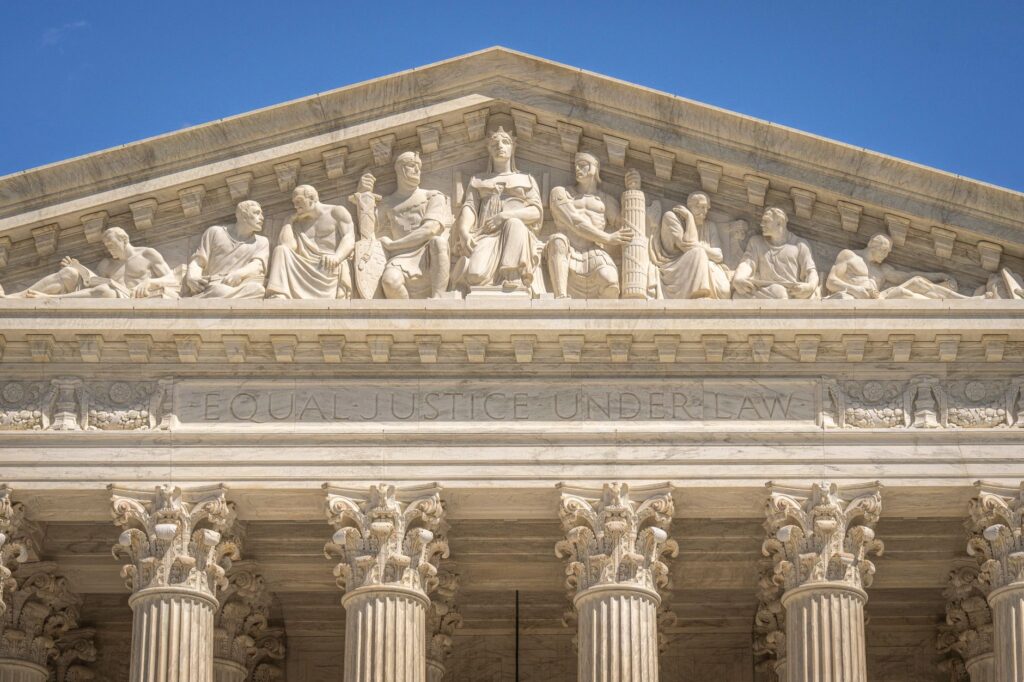

The Shift in Executive Oversight
In a landmark decision released this week, the United States Supreme Court overturned a 90-year-old legal precedent, significantly expanding the president’s authority to remove heads of independent federal agencies. The ruling dismantles long-standing protections that previously prevented the executive branch from firing officials at independent regulatory bodies without cause, fundamentally altering the balance of power between the White House and administrative agencies.
Historical Context and the Humphrey’s Executor Precedent
The decision strikes down the principles established in the 1935 case Humphrey’s Executor v. United States. That ruling had long served as the bedrock for the independence of agencies such as the Federal Trade Commission and the Securities and Exchange Commission, allowing Congress to insulate these entities from direct political pressure by limiting the president’s removal power.
For nearly a century, legal scholars viewed these protections as essential for maintaining objective enforcement of economic and consumer safety regulations. By overturning this precedent, the Court has signaled a major shift in how it interprets the constitutional scope of Article II executive authority.
Analyzing the Legal Implications
The Court’s majority opinion argues that the executive branch must maintain direct oversight of all administrative actions to ensure accountability to the electorate. Critics of the ruling, however, warn that this centralization of power could lead to the politicization of agencies that were designed to operate on technical expertise rather than partisan agendas.
Data from the Congressional Research Service indicates that there are currently dozens of independent agencies that rely on