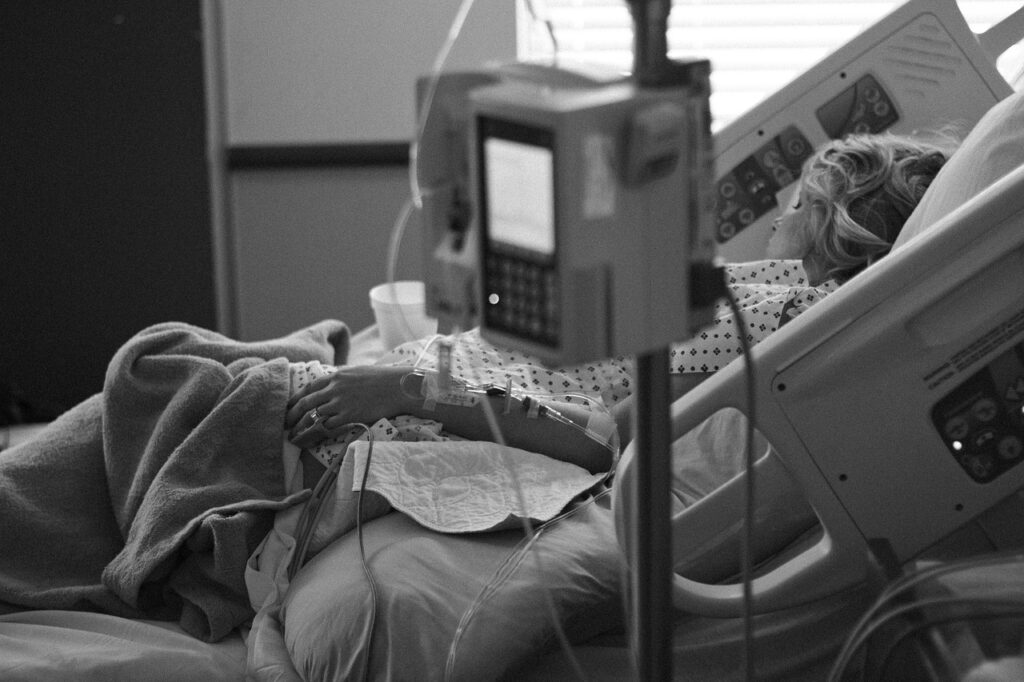

Oncologists across the United States are currently grappling with a severe, sustained shortage of essential generic chemotherapy drugs, forcing hospitals to ration supplies and delay critical treatment cycles for cancer patients. The crisis, which intensified throughout the current year, involves life-saving medications such as cisplatin and carboplatin, which serve as foundational therapies for a wide spectrum of malignancies, including lung, ovarian, and testicular cancers.
The Context of Drug Fragility
The current pharmaceutical supply chain crisis is rooted in a fragile manufacturing ecosystem that relies heavily on a small number of facilities. Many of these generic drugs are produced by a limited pool of manufacturers, meaning that a single quality issue, regulatory shutdown, or supply chain disruption at one plant can trigger a nationwide deficit.
Generic injectable drugs often suffer from low profit margins, which disincentivizes manufacturers from maintaining redundant production lines. Consequently, when one supplier fails, there is no immediate capacity in the market to absorb the demand, leaving hospitals and clinics with unfilled orders and empty shelves.
Clinical Impacts and Rationing Protocols
Medical providers are now forced to make agonizing decisions regarding patient care protocols. In many oncology centers, physicians are adjusting dosage schedules, switching to alternative drug regimens that may have different toxicity profiles, or postponing non-urgent treatments to prioritize patients with the highest probability of curative outcomes.
The American Society of Clinical Oncology (ASCO) reports that a significant percentage of its members have experienced direct impacts on their practice due to these shortages. These disruptions are not merely administrative hurdles; they represent a tangible threat to the efficacy of long-term cancer management plans.
Expert Perspectives and Data
Data from the U.S. Food and Drug Administration (FDA) confirms that the number of active drug shortages remains at a historical high. Experts in public health policy note that the reliance on overseas manufacturing for raw pharmaceutical ingredients exacerbates these vulnerabilities, as global logistics remain susceptible to geopolitical and environmental stressors.
“The fragility of the generic drug market is a systemic issue that requires a fundamental shift in how we incentivize production and maintain national stockpiles,” says Dr. Elena Rodriguez, a healthcare policy analyst. “Without structural reform, patients will continue to face the uncertainty of whether their life-saving medication will be available when they arrive for their scheduled infusion.”
Implications for the Oncology Industry
For patients, the immediate implication is a significant increase in stress and potential health risks as treatment plans are modified under duress. For the healthcare industry, the shortage highlights an urgent need for federal intervention, including the potential for increased domestic manufacturing subsidies and more transparent supply chain monitoring.
Looking ahead, industry observers are watching for federal legislative efforts aimed at diversifying the pharmaceutical supply chain and creating mandatory reporting requirements for manufacturers facing potential disruptions. Stakeholders are also monitoring the development of new generic entrants to the market, which could provide much-needed buffer capacity, though such shifts in manufacturing infrastructure typically require years to materialize.