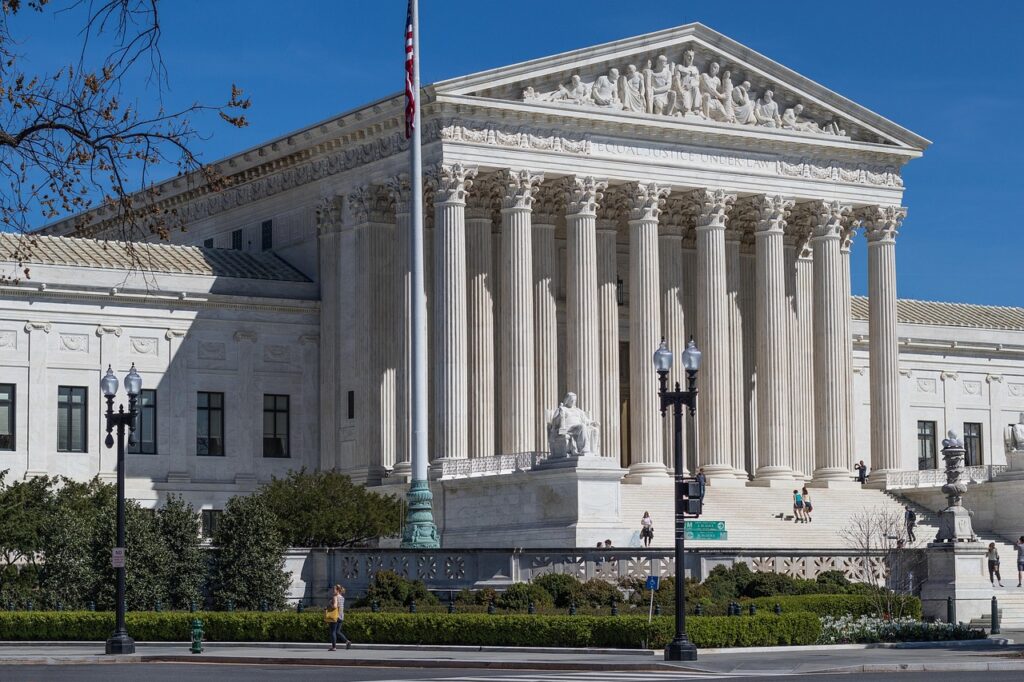

The Shift in Executive Oversight
The United States Supreme Court issued a landmark ruling this week, effectively overturning a 90-year-old legal precedent that previously restricted the president’s authority to remove leaders of independent federal agencies. By striking down the long-standing protections, the Court has fundamentally altered the balance of power between the executive branch and the administrative state in Washington, D.C.
This decision marks a significant departure from the 1935 ruling in Humphrey’s Executor, which had established that Congress could insulate certain agency heads from presidential removal except for ‘inefficiency, neglect of duty, or malfeasance in office.’ The new ruling grants the president broader discretion to dismiss officials at will, removing the statutory barriers that were designed to insulate these agencies from political influence.
Historical Context of Independent Agencies
For nearly a century, independent agencies—ranging from the Federal Trade Commission to the Federal Reserve—have operated under the assumption that their leadership could remain insulated from partisan pressure. These agencies were created by Congress with the specific intent of maintaining expertise and stability, ensuring that regulatory decisions were based on long-term policy goals rather than the immediate political whims of the sitting president.
Legal scholars point out that the 1935 decision was a cornerstone of the New Deal era, intended to prevent the executive branch from centralizing excessive control over the economy. The current Court’s reversal reflects a shift in constitutional interpretation, placing a greater emphasis on the ‘Unitary Executive Theory.’ This theory posits that the president should have total control over the entire executive branch, including the personnel who execute federal law.
Analyzing the Legal Implications
The immediate impact of the ruling will likely be felt in the rapid turnover of agency leadership following presidential transitions. Supporters of the decision argue that it increases accountability, ensuring that the officials responsible for implementing federal regulations are directly answerable to the elected president. They contend that a president cannot effectively manage the executive branch if they cannot fire subordinates who disagree with their policy agenda.
Conversely, critics suggest that the erosion of independence could lead to the politicization of neutral regulatory functions. Data from the Congressional Research Service indicates that there are dozens of independent agencies currently protected by removal restrictions. If these protections are removed across the board, the potential for abrupt shifts in banking regulations, environmental oversight, and consumer protections increases significantly.
Expert Perspectives on Regulatory Stability
Constitutional law experts are divided on the long-term consequences of this change. Some argue that the ruling will lead to a more efficient government, while others warn of a ‘spoils system’ resurgence where agency heads are replaced based on loyalty rather than subject-matter expertise. The American Bar Association has noted that such a shift could discourage career experts from accepting roles in government if their positions are no longer secure.
Economic analysts have also expressed concerns regarding market volatility. Regulatory agencies often serve as buffers in the financial sector; if investors perceive that leadership at key agencies like the SEC or the Federal Reserve could be replaced at any moment, it may lead to uncertainty in global markets. The stability of the administrative state has historically been a key metric for institutional investors evaluating the U.S. regulatory environment.
What to Watch Next
The focus now shifts to how Congress will respond to this diminished authority. Legislative bodies may attempt to draft new laws that test the boundaries of the Court’s ruling, potentially leading to a series of follow-up challenges in lower courts. Observers should monitor upcoming executive appointments and any potential executive orders that seek to restructure independent agencies, as these will serve as the first real-world indicators of the ruling’s reach. The final outcome will likely depend on whether future administrations choose to exercise this new authority aggressively or maintain the traditional norm of independence for the sake of institutional stability.