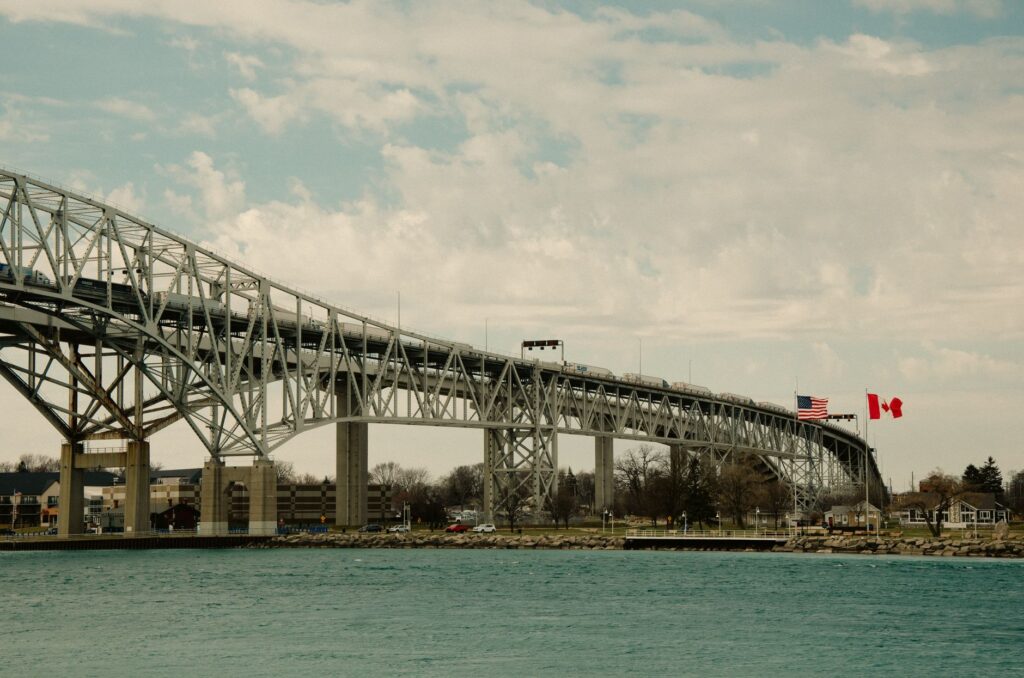

The Canadian government announced plans to implement retaliatory tariffs on a range of United States goods following the upcoming Labor Day holiday, according to official reports released this week. This decisive trade action marks a significant escalation in ongoing economic tensions between the two longtime North American allies.
For decades, the United States and Canada have maintained a complex trade relationship characterized by extensive bilateral commerce, frequent negotiations, and occasional disputes. Despite historical disagreements over sectors such as agriculture and manufacturing, both nations have consistently preserved their strategic alliance and integrated supply chains. However, recent policy divergences have strained these longstanding economic ties, leading to the latest round of retaliatory measures.
Official data shows that the upcoming tariffs will target specific American exports, though exact product categories and tariff rates are currently being finalized by trade officials. Government representatives stated that these measures are designed to mirror the economic impact of recent U.S. trade policies affecting Canadian industries. According to reports, affected sectors could include manufacturing goods, agricultural products, and consumer items.
This impending trade friction introduces new uncertainties for businesses and consumers on both sides of the border. Industry analysts warn that increased tariffs could raise production costs for manufacturers and lead to higher prices for everyday goods. Economic experts suggest that integrated supply chains in the automotive and manufacturing sectors may experience operational disruptions as companies adjust to the changing tariff landscape.
Observers and industry stakeholders will closely monitor trade announcements in the coming weeks to determine the full scope of the tariff implementation. Future developments depend heavily on whether bilateral diplomatic talks can yield a compromise before the post-Labor Day deadline. Analysts recommend that businesses reliant on cross-border trade prepare contingency plans to navigate potential market volatility.
Disclaimer: This article is published for general news and informational purposes only. While every effort has been made to ensure accuracy, readers are advised to verify important information from official sources. The publisher shall not be responsible for any loss or inconvenience arising from reliance on the information published.