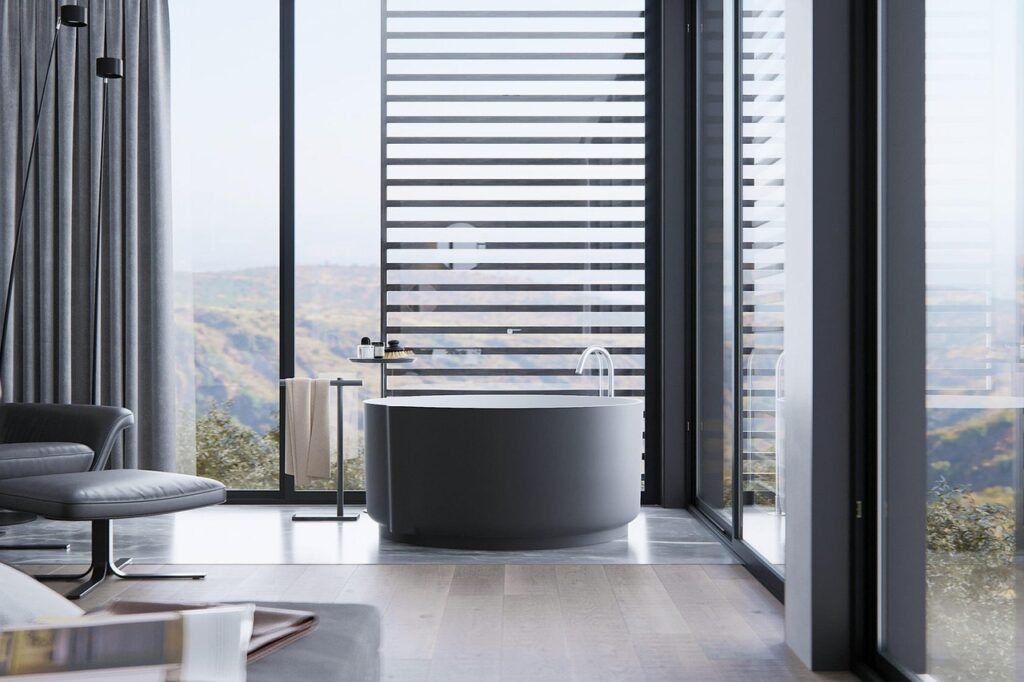

In recent years, the Indian residential design landscape has undergone a significant transformation, shifting away from purely functional utility spaces toward highly customised sanctuaries of wellness. During a recent exclusive interview, Kohler Co. President and CEO David Kohler highlighted how the nation’s burgeoning luxury market is redefining modern interior aesthetics. According to official reports, urban homeowners across India are increasingly investing in sophisticated bathroom renovations that prioritize personal expression over conventional minimalism.
Historically, Indian architectural norms treated the bathing space as an afterthought, prioritizing utilitarian fixtures and neutral palettes. However, rapid urbanization and rising disposable incomes have dramatically altered consumer priorities over the past decade. Industry data indicates that contemporary buyers now view the home as a holistic ecosystem, where mental and physical rejuvenation begins in the washroom.
Recent developments reveal a striking departure from traditional chrome and white porcelain toward bold hues, matte finishes, and integrated smart technologies. Manufacturers report a surge in demand for customizable shower systems, digital water controls, and vibrant metallic fixtures that reflect individual personalities. According to market analysts, consumers are actively seeking products that combine artisanal craftsmanship with advanced ergonomics.
This evolving design philosophy carries substantial economic implications for the domestic home-improvement sector and international manufacturing brands alike. Local artisans and global suppliers are collaborating more closely to introduce locally inspired motifs and textures tailored specifically to the South Asian market. Furthermore, this trend stimulates growth in adjacent industries such as interior architecture, specialized lighting, and smart-home automation.
Industry stakeholders will closely monitor whether this surge in personalized luxury sustains its momentum amid broader macroeconomic shifts and inflationary pressures. Market observers note that sustainability features, such as water-saving technologies, will likely dictate the next phase of product innovation and consumer adoption. As urban living spaces continue to shrink, the demand for multifunctional and aesthetically striking fixtures is projected to accelerate.
Disclaimer: This article is published for general news and informational purposes only. While every effort has been made to ensure accuracy, readers are advised to verify important information from official sources. The publisher shall not be responsible for any loss or inconvenience arising from reliance on the information published.