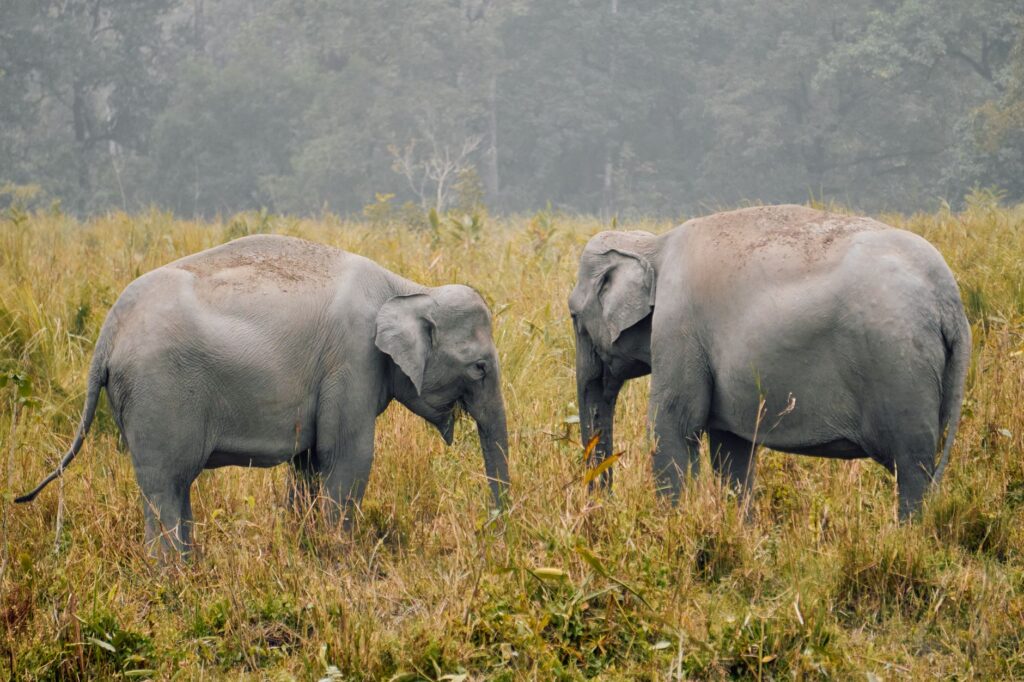

Wild Elephant Numbers Show Steady Growth
Recent conservation updates reveal that the wild elephant population in the northeastern Indian state of Assam has experienced a positive upward trend. Official findings indicate that the total number of these magnificent mammals has increased from 5,719 to 5,828 over a seven-year period. This demographic shift highlights the ongoing ecological efforts within the region to protect endangered wildlife and maintain healthy natural habitats.
Understanding the Census Process
Wildlife authorities conduct comprehensive monitoring to track regional animal numbers accurately. These detailed surveys require extensive fieldwork, cooperation among forest departments, and the application of established scientific methodologies. By tracking herd movements, assessing habitat conditions, and counting individuals across various protected zones, experts can gauge the overall health of the local ecosystem. The recent count provides a clearer picture of how these large mammals are adapting to changing environmental pressures and human developments.
Significance for Regional Conservation
An increasing animal count is generally viewed as an encouraging sign for regional preservation initiatives. It suggests that anti-poaching measures, habitat corridor management, and community awareness programs are yielding measurable benefits. However, wildlife management remains a complex challenge. As the number of wild pachyderms grows, managing the delicate balance between human settlements and animal territory becomes increasingly vital to prevent potential conflicts and ensure long-term coexistence.
Habitat Management and Future Outlook
Protecting the natural environment is essential for sustaining this positive growth trend. Forest officials continue to focus on preserving crucial migration routes and restoring degraded vegetation patches. Ensuring that these creatures have adequate food sources and safe passage across fragmented landscapes will determine the future stability of the regional herd. Continued vigilance, community support, and science-based policies remain the cornerstone of protecting this iconic species for generations to come.