
Introduction
The tragic death of a rare golden langur on a busy roadway in Assam has drawn immediate attention to the severe threats endangered wildlife face from expanding infrastructure. This unfortunate incident underscores the growing conflict between rapid regional development and the preservation of vulnerable animal species that inhabit the area.
Understanding the Golden Langur
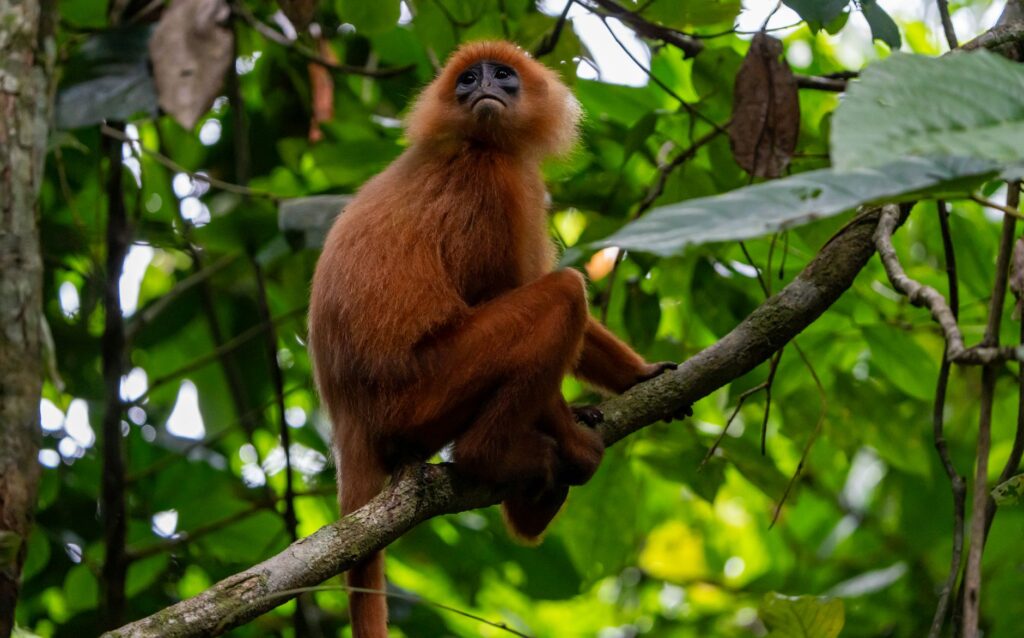
Golden langurs are among the most striking and endangered primates found in the region. Known for their distinctive fur and arboreal lifestyle, these animals rely heavily on continuous forest canopies to travel, forage, and survive. Because their natural habitat is increasingly fragmented by human expansion, they are frequently forced to descend to the ground, placing them in direct peril.
Infrastructure and Wildlife Peril
The rapid expansion of roads and highways through sensitive ecological zones has created severe barriers for local fauna. Without designated wildlife corridors, canopy bridges, or effective underpasses, animals attempting to cross roadways face extreme hazards from speeding vehicles. Conservationists have long warned that linear infrastructure projects severely disrupt natural movement patterns and lead to frequent mortality events.
Voices Calling for Action
Environmental advocates and local researchers are urging authorities to implement immediate mitigation strategies. Proposals include reducing speed limits in critical wildlife zones, installing prominent warning signage, and constructing artificial canopy bridges to allow arboreal species to cross safely above traffic. Community engagement and stricter enforcement of traffic regulations are also considered vital steps in preventing future tragedies.
Path Forward for Conservation
Protecting rare primates like the golden langur requires a balanced approach to regional development. Policymakers, urban planners, and environmental agencies must collaborate to integrate ecological safeguards into every infrastructure project. Ensuring the safety of these vulnerable animals is essential for maintaining the rich biodiversity of the region for future generations.