
A Fatal Turn in Colorado
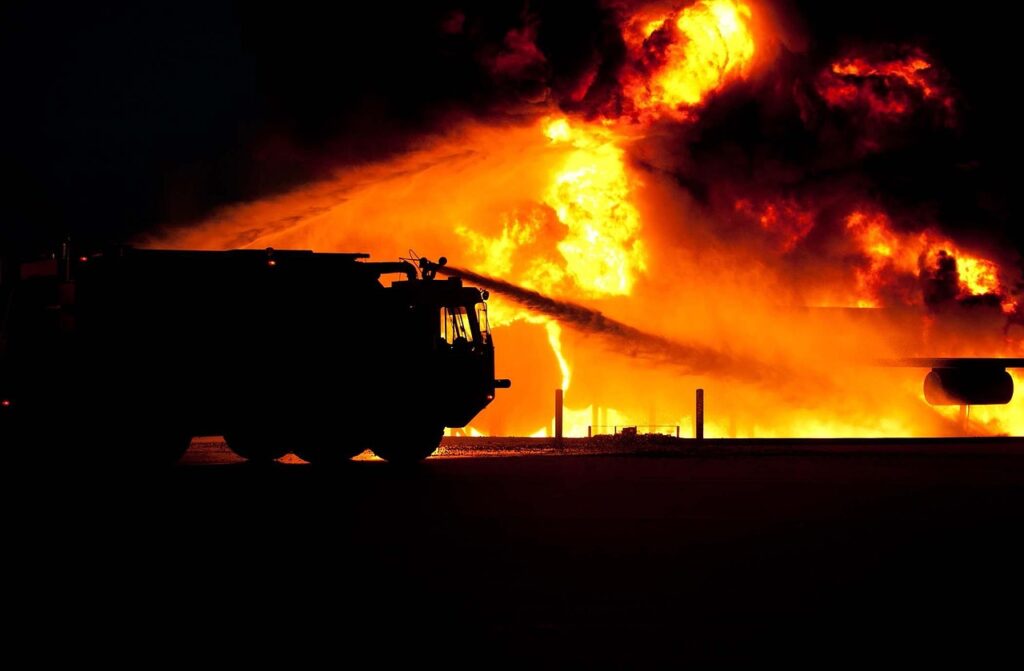
Emily Barker and a colleague lost their lives this week while battling a rapidly expanding forest fire in the rugged terrain of Colorado. The incident occurred during a mid-week wildfire suppression effort, marking a somber milestone in an increasingly volatile wildfire season for the Western United States.
Authorities confirmed that the two firefighters were overwhelmed by shifting winds and unpredictable fire behavior. The blaze, which ignited in a remote section of the forest, rapidly escalated due to high temperatures and dry vegetation.
The Context of Wildfire Suppression
Firefighting in high-altitude, forested regions presents unique logistical and physical challenges. Crews often navigate steep slopes and dense timber, where fire behavior can change in seconds based on wind patterns and humidity levels.
According to the National Interagency Fire Center (NIFC), the complexity of wildfire management has increased significantly over the last decade. Climate-driven factors, including prolonged drought and longer fire seasons, have contributed to a higher frequency of high-intensity fires that challenge traditional containment strategies.
Operational Risks and Safety Protocols
The loss of these firefighters highlights the inherent dangers faced by crews on the front lines. Standard operating procedures for wildfire suppression prioritize the ‘Lookouts, Communications, Escape Routes, and Safety Zones’ (LCES) framework, yet even with these protocols, extreme fire behavior can outpace human reaction time.
Industry experts emphasize that ‘blow-up’ conditions—where a fire suddenly increases in intensity and rate of spread—are becoming more common. Investigations into the incident are currently underway to determine the specific environmental factors that led to the entrapment.
The Human Cost and Industry Impact
The firefighting community is reeling from the loss, which serves as a poignant reminder of the risks undertaken by those protecting wildland-urban interfaces. Beyond the tragedy, the incident is expected to trigger a rigorous review of safety training and deployment tactics for wildland fire crews.
Safety advocates are calling for increased investment in aerial surveillance technology and real-time weather monitoring tools. These enhancements aim to provide ground crews with more accurate data on wind shifts and fire progression, potentially mitigating the risk of entrapment in future operations.
Looking Ahead
As the investigation proceeds, the fire service will likely re-evaluate its approach to extreme fire environments. Stakeholders are closely watching for the formal report from the incident review team, which will likely dictate changes to current wildland firefighting training standards.
The broader implications for the industry involve a shift toward more robust, technology-assisted safety measures. Observers suggest that the integration of satellite imagery and advanced meteorological forecasting will become standard practice to prevent similar tragedies as the fire season continues to intensify across the region.