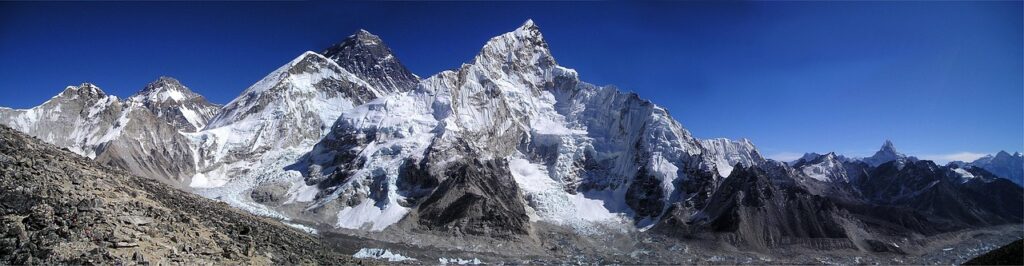

A Perilous Ascent
Dr. Priya Selvaraj, a Chennai-based medical professional and granddaughter of legendary actor Gemini Ganesan, successfully summited Mount Everest this season, overcoming a life-threatening fall into a crevasse during her expedition. After four months of intensive physical and mental training, Dr. Selvaraj navigated the world’s highest peak at 8,848.86 meters, turning a harrowing survival story into a testament of human resilience.
The Context of High-Altitude Mountaineering
Mount Everest remains the ultimate challenge for alpinists, characterized by the ‘Death Zone’ above 8,000 meters where oxygen levels are insufficient to sustain human life for extended periods. Every year, hundreds of climbers attempt the ascent, yet the route is fraught with objective dangers, including unpredictable weather patterns, shifting icefalls, and the ever-present threat of deep, hidden crevasses within the Khumbu Icefall.
Navigating the Khumbu Icefall
The journey to the summit requires more than just physical endurance; it demands split-second decision-making. Dr. Selvaraj’s expedition faced its most critical moment when she slipped into a crevasse, a common but lethal hazard in the treacherous terrain of the Himalayas. Her background as a physician provided a unique perspective on the physiological strain of the climb, yet the physical reality of surviving a fall while tethered in sub-zero temperatures pushed her survival instincts to their absolute limit.
Expert Perspectives on Modern Mountaineering
According to industry data from the Himalayan Database, the success rate of Everest expeditions has stabilized, yet safety remains a primary concern for the mountaineering community. Experts emphasize that while gear technology has improved, the unpredictable nature of high-altitude environments means that individual preparation and mental fortitude remain the deciding factors between success and tragedy. Dr. Selvaraj’s ability to recover from a near-death accident highlights the importance of specialized training protocols for non-professional climbers attempting extreme heights.
Broader Implications for Adventure Sports
The achievement of individuals like Dr. Selvaraj is reshaping the demographic of high-altitude mountaineering, proving that professionals from non-athletic backgrounds can compete at the highest levels with rigorous preparation. For the climbing industry, this trend necessitates better infrastructure and support systems to accommodate a wider variety of participants. As commercial mountaineering continues to grow, the industry is increasingly focused on the balance between accessibility and the inherent risks of extreme adventure.
Looking Ahead: The Future of Everest Expeditions
The focus for the upcoming seasons will shift toward enhanced safety measures and sustainability in the Everest region. Observers are closely watching how new satellite communication technologies and real-time weather monitoring will impact rescue operations and summit success rates. As more climbers prepare for the 8,000-meter threshold, the emphasis will remain on the intersection of medical preparedness and technical skill, ensuring that future expeditions are defined by both human ambition and calculated risk management.