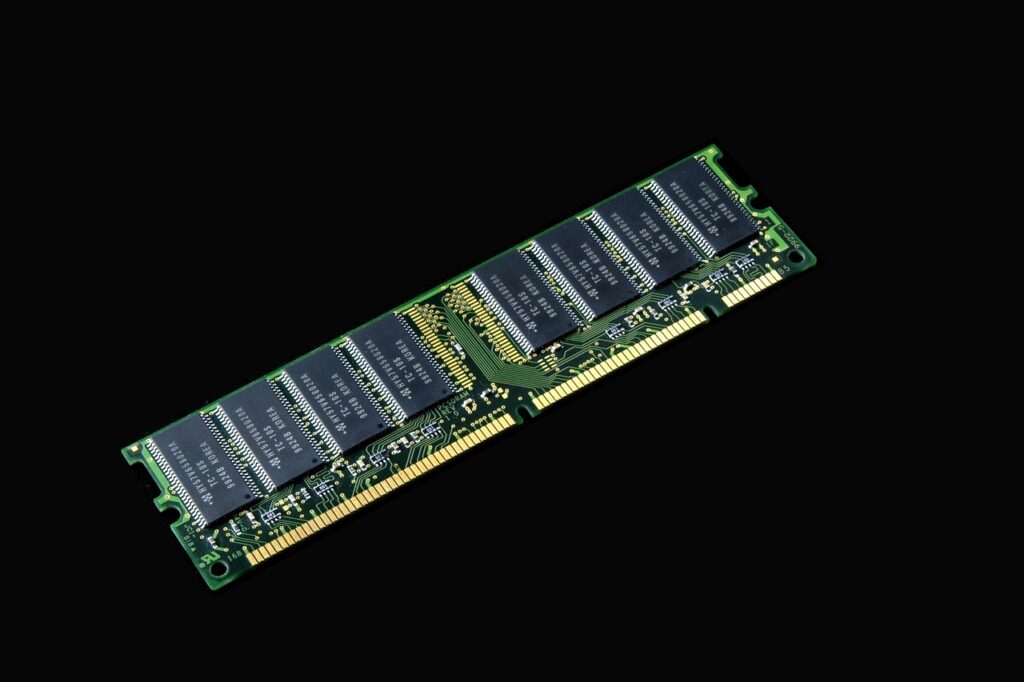

Global consumer electronics prices, which have largely trended downward for decades due to manufacturing efficiencies, are facing an unprecedented upward pressure as the rapid expansion of artificial intelligence data centers triggers a severe shortage of high-bandwidth memory (HBM) chips. Industry analysts report that the massive demand from tech giants like NVIDIA, Microsoft, and Google to power generative AI infrastructure is cannibalizing the supply chain, forcing manufacturers to hike prices for smartphones, laptops, and gaming consoles throughout 2024 and beyond.
The Shift in Semiconductor Priorities
For decades, Moore’s Law and globalized supply chains ensured that the cost of computing power decreased steadily, making high-end technology increasingly accessible to the average consumer. However, the emergence of Large Language Models (LLMs) has fundamentally altered the semiconductor industry’s priorities.
Data centers now require thousands of specialized HBM chips to process complex AI queries. Because these chips are difficult to manufacture and require significant wafer space, semiconductor foundries are prioritizing high-margin enterprise orders over the lower-margin memory chips used in standard consumer tablets and personal computers.
Market Dynamics and Supply Chain Constraints
The supply chain bottleneck is not merely a result of increased demand, but a fundamental shift in capital allocation. According to TrendForce, global HBM production capacity is being aggressively expanded, yet it remains insufficient to meet the current trajectory of AI development.