
Rising Temperatures and Human Interaction
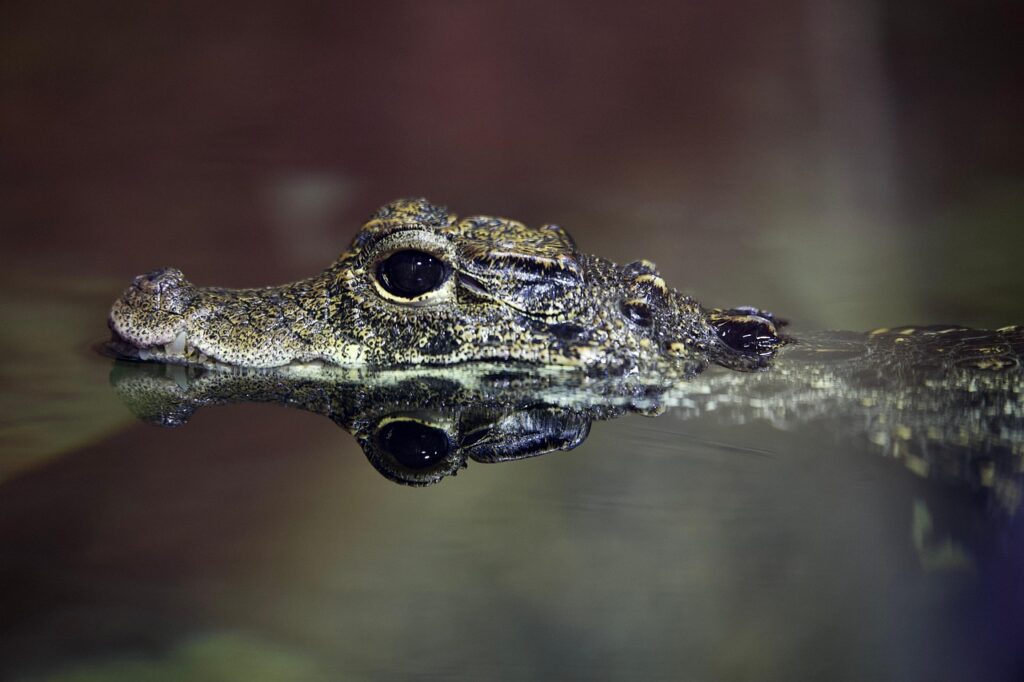
A recent string of three alligator attacks in Central Florida and a fatal crocodile encounter in Mexico have prompted wildlife officials to issue urgent safety warnings as temperatures climb across the region. The incidents, occurring throughout the past week, have left residents and tourists on high alert as apex predators become increasingly active in areas where humans seek relief from the sweltering heat.
Contextualizing the Surge in Activity
Alligators and crocodiles are ectothermic, meaning they rely on their environment to regulate body temperature. During periods of extreme heat, these reptiles often seek deeper, cooler water or move into shaded areas, which can inadvertently bring them into closer proximity with human activity. Florida’s Fish and Wildlife Conservation Commission (FWC) notes that alligator activity typically peaks during the spring and summer breeding seasons, a period that coincides with increased recreational water use by the public.
Analyzing the Patterns of Conflict
The recent attacks demonstrate a concerning trend of proximity, with one victim reportedly struck while simply sitting on a public beach. Wildlife biologists suggest that as urban development continues to encroach upon wetlands, the buffer zones between human habitats and reptilian territory have effectively vanished. This territorial compression, combined with seasonal hormonal spikes, increases the likelihood of defensive or predatory behavior from these animals.
Expert Perspectives on Wildlife Dynamics
Experts emphasize that while these attacks are traumatic, they remain statistically rare. However, the current environmental stressors—including record-breaking heat waves—may be altering typical animal behavior patterns. Data from the FWC indicates that while alligator population numbers have remained stable, the frequency of human-alligator interactions is rising in direct correlation with the state’s rapid population growth and the expanded footprint of residential areas near waterways.
Implications for Public Safety
For residents and tourists, the immediate implication is a need for heightened situational awareness. Wildlife management experts advise avoiding water at dawn and dusk, the primary hunting hours for alligators, and maintaining a significant distance from any body of water, regardless of its appearance. Local authorities are expected to increase signage and patrols in high-risk areas, but the onus remains on the public to respect the natural behaviors of these apex predators.
Future Trends and Monitoring
As climate models predict continued warming trends, wildlife agencies are bracing for longer, more intense seasons of animal-human conflict. Observers should monitor upcoming reports from the FWC regarding potential adjustments to nuisance alligator removal programs and new public awareness campaigns. The coming months will likely see a push for stricter zoning regulations to prevent further encroachment into critical wildlife corridors, as communities attempt to balance human expansion with the reality of living alongside prehistoric predators.