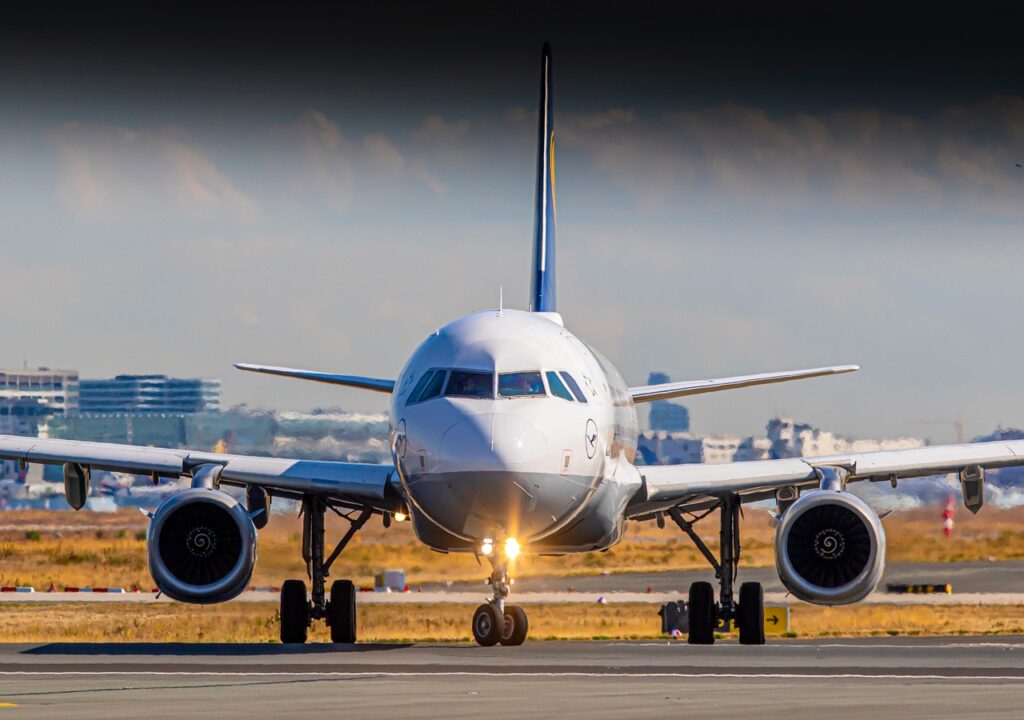

A JetBlue flight approaching John F. Kennedy International Airport reported a mid-air collision with a drone on Thursday, marking a significant safety incident in one of the world’s busiest airspaces. The aircraft, which was on final approach to the New York facility, sustained a physical impact, prompting an immediate investigation by federal aviation authorities.
The Growing Challenge of Unmanned Aerial Systems
The incident at JFK highlights the escalating difficulty aviation regulators face in managing the proliferation of consumer drones. While the Federal Aviation Administration (FAA) mandates strict altitude and proximity restrictions for recreational drone operators, unauthorized flights near major airports remain a recurring security and safety concern.
Data from the FAA indicates that thousands of drone sightings are reported by pilots annually. These incidents range from near-misses to potential interference with flight paths, forcing airports to grapple with how to effectively monitor and mitigate the risks posed by small, hard-to-detect unmanned aerial systems.
Aviation Safety Protocols Under Review
Following the collision report, local law enforcement and federal officials initiated a sweep of the surrounding area to identify the drone operator. Under federal law, operating a drone in restricted airspace near an airport is a serious offense that can lead to heavy fines and criminal charges.
Aviation safety experts point out that even small drones, despite their size, carry lithium batteries and hard plastic or metal components that can cause significant damage if ingested by a jet engine or if they impact a cockpit windshield at high velocities. Current detection technology is often limited by the small radar cross-section of consumer-grade drones, making them difficult for Air Traffic Control to track in real-time.
Industry and Regulatory Implications
The impact of this event extends beyond the immediate investigation, placing pressure on the aviation industry to accelerate the development of counter-drone technologies. Airports worldwide are currently testing systems that utilize radio frequency sensors, electro-optical cameras, and acoustic monitoring to better identify and neutralize unauthorized drone activity.
For the commercial airline industry, the incident underscores the need for enhanced pilot training regarding drone encounters. As the recreational drone market continues to expand, the integration of these devices into the national airspace system remains a delicate balancing act for regulators.
Future Oversight and Detection
Looking ahead, the aviation sector will likely see an increase in the deployment of remote identification technology, which is intended to allow authorities to track drone operators in real-time. The industry is also watching for potential legislative updates that could grant airports greater authority to jam or intercept drones deemed a direct threat to flight safety. The outcome of the ongoing investigation at JFK will serve as a critical case study for how federal agencies handle the intersection of consumer technology and commercial aviation security.