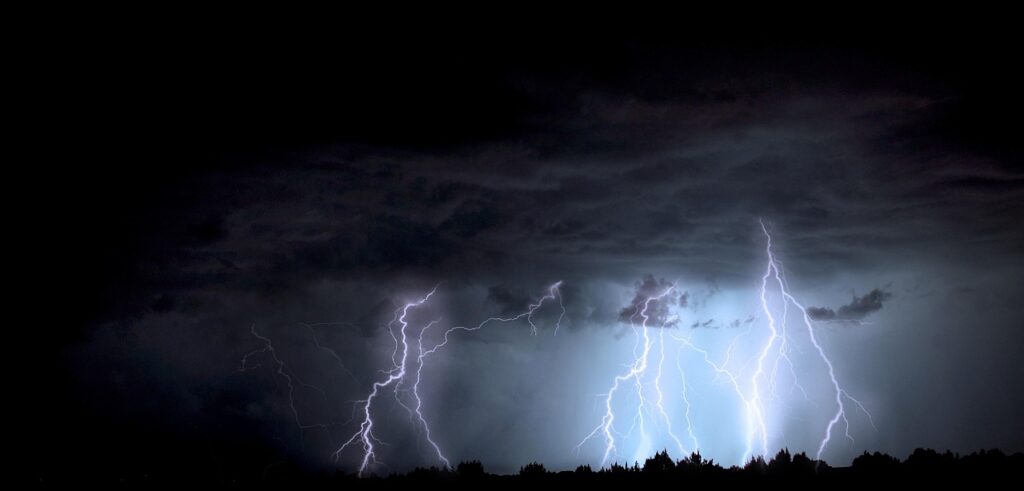

Residents across Telangana have experienced a significant shift in weather patterns this week, with the state receiving much-needed relief from a prolonged heatwave as temperatures dropped from over 42°C to 39°C on June 25, 2026. This welcome respite precedes an anticipated period of heavy rainfall, with the India Meteorological Department (IMD) forecasting substantial precipitation in isolated places across 14 districts on Saturday, June 27, 2026, signaling the onset of the active monsoon season.
Context: A Summer of Scorching Heat and Monsoon’s Promise
Prior to this recent meteorological shift, Telangana, like much of South India, had been grappling with an intense heatwave. For weeks, temperatures consistently soared above 40°C, frequently crossing the 42°C mark, posing significant health risks and straining public services. The scorching conditions led to increased cases of heatstroke, dehydration, and a considerable demand for electricity for cooling. Agriculture, a cornerstone of Telangana’s economy, also faced immense pressure, with farmers anxiously awaiting the monsoon rains crucial for the kharif (summer crop) season. The annual Southwest Monsoon is a lifeline for India, responsible for over 70% of the country’s annual rainfall, directly impacting agricultural output, water reservoir levels, and the overall economy. While the monsoon typically commences in Kerala by early June and progresses northward, its arrival in Telangana often sees a slight delay, making the current forecast particularly significant after a prolonged dry spell.
Temperature Drop Brings Immediate Relief
The dip in the highest recorded temperature to 39°C on June 25 marked a tangible improvement in atmospheric conditions. This three-degree Celsius reduction, while seemingly modest, translates to a noticeable decrease in ambient heat and humidity, offering immediate comfort to the populace. The change is attributed to a combination of factors, including increased cloud cover and the initial influence of moist winds preceding the monsoon’s full establishment over the region. Many residents reported a palpable difference in outdoor conditions, making daily activities more tolerable after weeks of oppressive heat.
Heavy Rainfall Forecast for 14 Districts
Looking ahead, the IMD has issued a “heavy rainfall very likely” warning for isolated places in 14 Telangana districts on Saturday, June 27. These districts are anticipated to include regions such as Adilabad, Komaram Bheem Asifabad, Mancherial, Nirmal, Nizamabad, Jagtial, Rajanna Sircilla, Karimnagar, Peddapalli, Bhadradri Kothagudem, Warangal, Hanamkonda, Jangaon, and Siddipet. “Heavy rainfall” as defined by IMD typically refers to precipitation between 64.5 mm and 115.5 mm in 24 hours. This forecast indicates a substantial downpour that could rapidly alter ground conditions and water levels.
Agricultural Hopes and Urban Challenges
The impending rains are a beacon of hope for Telangana’s agricultural sector. Farmers, who have been delaying sowing operations due to insufficient moisture, are now preparing their fields. “The timely onset and distribution of monsoon rains are paramount for the successful cultivation of key crops like paddy, maize, and cotton,” stated Dr. Anjali Rao, an agricultural economist based in Hyderabad. “This initial spell, if sustained, will provide critical soil moisture, encouraging farmers to proceed with their kharif sowing plans, which are currently behind schedule due to the extended dry period.”
However, the prospect of heavy rainfall also brings potential challenges, particularly for urban centers. Cities like Hyderabad, while not explicitly named in the 14 districts for “heavy rainfall,” often experience localized flooding and traffic disruptions during intense monsoon showers. Municipal corporations and disaster response teams are typically put on high alert to manage potential waterlogging, power outages, and infrastructure issues that can arise from sudden, heavy precipitation.
Expert Perspectives on Monsoon Variability
“The current weather pattern aligns with the typical progression of the Southwest Monsoon, albeit with some regional variability observed annually,” explained Dr. Suresh Kumar, a senior meteorologist at the Regional Meteorological Centre, Hyderabad. “While the initial drop in temperature indicates a shift, the true test lies in the sustained nature and even distribution of rainfall across the state. We are closely monitoring atmospheric conditions, including wind shear and moisture influx, to provide updated advisories. The forecast for Saturday is a strong indicator of the monsoon’s establishment over these regions.” Dr. Kumar emphasized the importance of public adherence to IMD advisories, especially concerning potential flash floods in low-lying areas.
Preparedness and Public Advisories
In anticipation of the heavy rains, state disaster management authorities have begun issuing advisories to district administrations. These typically include instructions for clearing storm drains, identifying vulnerable areas, and preparing emergency response teams. Residents in the forecast districts are advised to exercise caution, avoid unnecessary travel during peak rainfall, and take precautions against water-borne diseases that often see a surge during the monsoon season. Farmers are also advised to consult local agricultural extension services for guidance on appropriate sowing times and crop management strategies based on the rainfall patterns.
Implications and What to Watch Next
The arrival of monsoon-influenced weather in Telangana marks a critical juncture for the state. For residents, it promises a much-needed respite from the oppressive heat, improving living conditions and reducing health risks. For the agricultural sector, these rains are a crucial catalyst, determining the success of the kharif season and, by extension, the rural economy’s health. The coming days will be vital in observing how the monsoon progresses, its intensity, and its geographical spread. Authorities will be closely monitoring water levels in reservoirs and lakes, which are essential for irrigation and drinking water supply throughout the year. The focus will now shift from enduring the heat to managing the potential impacts of heavy rains, including the prevention of urban flooding and ensuring the safety of communities in flood-prone areas. Continued vigilance over IMD updates and adherence to local advisories will be paramount as Telangana navigates the complexities of the monsoon season ahead, with the promise of replenishment and renewal for the parched land.