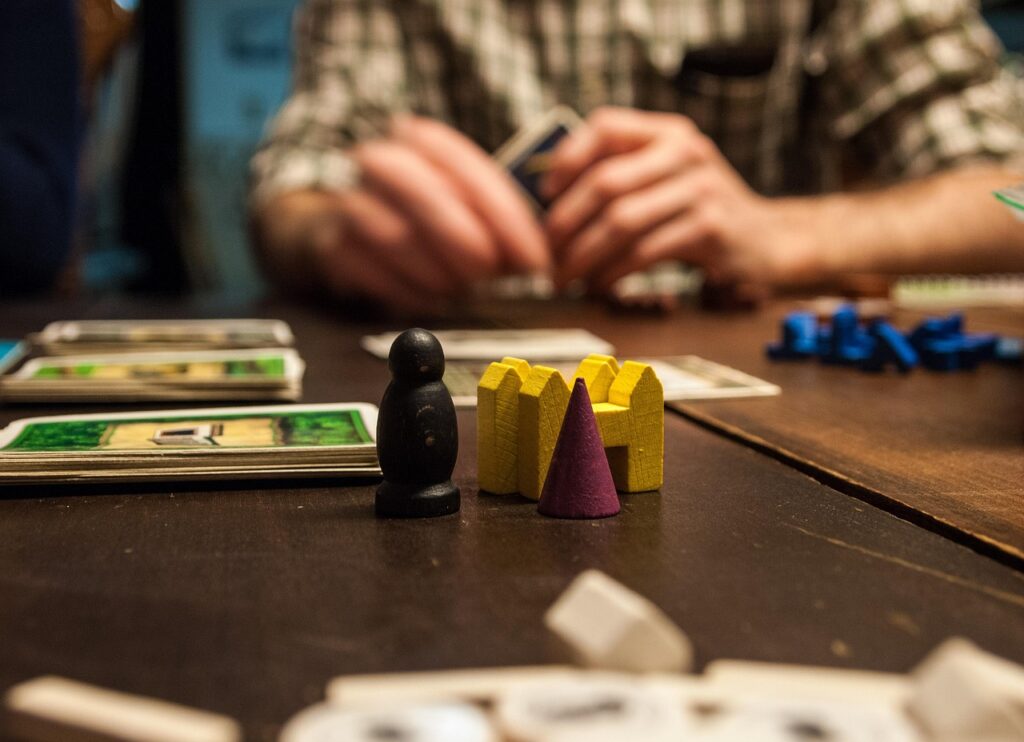

In an era defined by relentless digital consumption, couple Mohit Balachandran and Deepika Mittal have pivoted away from screen-based entertainment to found Unbox HQ, a boutique board game design studio launched this year. Motivated by a desire to foster deeper human connection, the pair recently debuted their first title, Ōsensei, a strategy game rooted in the intricate tapestry of Japanese mythology and folklore.
The Shift Toward Analog Experiences
The decision to enter the tabletop industry follows a broader cultural trend of “digital detoxing.” As global screen time averages continue to climb, consumers are increasingly seeking tactile hobbies that facilitate face-to-face interaction.
According to data from market research firm Euromonitor International, the global board game market has seen a steady compound annual growth rate exceeding 8% over the last five years. This resurgence is driven by a demographic of “hobby gamers” who prioritize thematic depth and social engagement over the passive consumption of streaming media.
Designing for Narrative Depth
For Balachandran and Mittal, the transition from consumers to creators required a deep dive into game mechanics and cultural storytelling. Ōsensei serves as the studio’s flagship project, demanding months of iterative testing to balance complex strategic elements with accessible, thematic gameplay.
“We wanted to build something that felt alive,” says Balachandran. By centering the game on Japanese folklore, the designers aim to offer players an immersive narrative that standard abstract strategy games often lack.
Industry experts note that independent designers are currently experiencing a “golden age” of accessibility. Platforms like Kickstarter and Gamefound have lowered the barrier to entry for small studios, allowing creators to bypass traditional publishing gatekeepers and build direct relationships with their target audience.
The Business of Play
The success of Unbox HQ hinges on the studio’s ability to differentiate itself in an increasingly crowded market. While mass-market games rely on brand recognition, independent titles like Ōsensei compete on unique art styles, component quality, and niche thematic appeal.
Dr. Aris Thorne, a researcher specializing in ludology, suggests that the current market shift is permanent rather than cyclical. “People are not just buying a product; they are buying a dedicated slice of time where the phone is put away and social dynamics take center stage,” Thorne explains.
For retailers and independent creators, this means that the focus has shifted toward high-quality production values. Modern players expect premium materials, such as custom wooden tokens and high-density card stock, which reflect the artisanal nature of the hobby.
Future Outlook for Independent Studios
As Unbox HQ looks toward their next development cycle, the industry is watching how boutique studios scale their operations without compromising the intimate feel of their designs. The rise of community-funded projects suggests that the future of the industry will be defined by smaller, highly engaged fanbases rather than broad, generic releases.
Industry analysts anticipate that the next phase of growth will involve deeper integration of augmented reality components, though purists remain skeptical of any technology that distracts from the physical board. For now, the trend remains clear: the focus is on the table, the cards, and the people sitting across from one another.